Most people arrive at a hospital already on edge, in pain, worried about a test result, or hurrying to reach someone they love. Then the doors open and they have no idea where to go. That moment matters, because finding their way is often the first time a patient meets your healthcare brand in the physical world.
Wayfinding is how people move through a building or campus, guided by signs, color, maps, digital tools, and the design of the space itself. When it works, people feel looked after. When it fails, their stress only grows, andresearch suggests up to 30% of hospital visitors feel disoriented on the way to an unfamiliar department.
Handled well, wayfinding tells patients they are in good hands before a clinician says a word. The article covers where wayfinding and your brand meet, how it builds trust across the patient journey, and what a strong wayfinding program includes.
Why Wayfinding Is a Brand Experience, Not Just Signage
Wayfinding is a brand experience because it is often the first and most physical way a patient meets your organization. A logo, a website, and an ad campaign set expectations. The building is where those expectations meet reality. A calm, clear arrival tells patients they are expected and cared for. A confusing one quietly undercuts every promise the marketing made.
Your Brand’s First Impression Happens at the Front Door
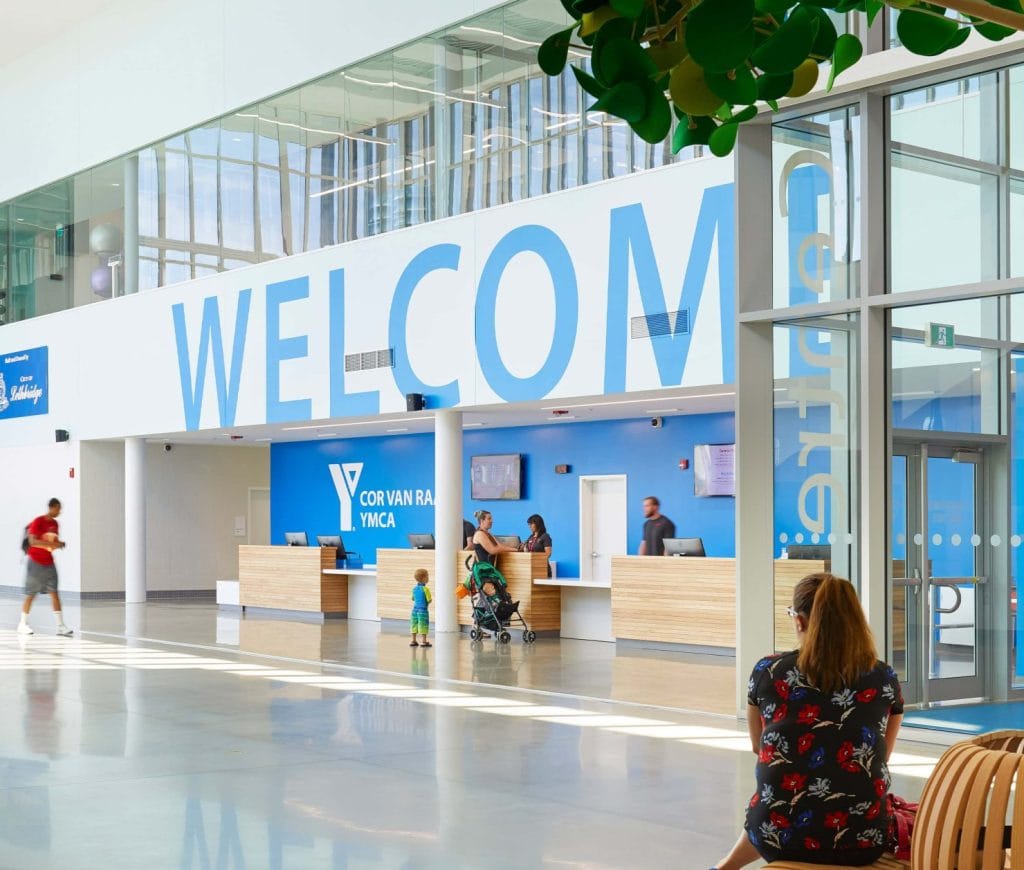
Your brand’s first impression forms at the entrance, before a single clinical word is spoken. Patients meet a brand in a hallway, on a form, and in a short phone call long before they read an About page. If the website looks polished but the lobby leaves people lost, they feel the gap even if they cannot name it. First impressions form fast, and they form faster when someone is anxious. A door that makes the next step obvious is a brand asset, even though most organizations never think of it that way.
Why Wayfinding Is a System, Not Just a Set of Signs
Wayfinding is a full system, not a set of signs. It includes:
the confirmation email and the map on your website, seen before a patient leaves home,
the color of a corridor and the name of a department,
the kiosks, maps, and apps inside the building,
the design of the space itself, from sightlines to lighting,
and the staff member who points the way.
Wayfinding is about the whole journey a person takes, even when that journey begins away from the building. Adding more signs to a confusing building rarely fixes it. More words on more plaques usually add noise, not clarity. When the whole system speaks with one voice, people move with confidence.
How Wayfinding Shapes Your Healthcare Brand
Healthcare wayfinding shapes your brand by influencing how safe, respected, and confident people feel while they are with you. That feeling turns into trust, loyalty, and word of mouth, or into frustration and a poor review. Five effects stand out.
Shaping the Patient’s First Impression
Wayfinding signage sets the emotional tone of a visit within the first few minutes. For patients arriving at a large hospital, the trip from the parking lot through corridors to the right clinic is stressful on its own. Stress narrows attention and pushes people to lean on their surroundings rather than fine print, so a clear path does quiet, useful work. A patient who reaches the right desk without a wrong turn starts the appointment calmer. A patient who circles the building arrives flustered, and that mood carries into the exam room.
Building Patient Trust and Confidence
Clear, easy routes build trust, because people read a well-run space as a sign of well-run care. If a patient can find their way without fear, it suggests an organization that pays attention to detail. If they get lost, doubt creeps in at exactly the wrong moment, since healthcare is a setting where people are placing their health in your hands.
Reinforcing a Consistent Brand Identity
Consistent color, type, naming, and tone across every sign and screen make your brand feel like one coherent whole. Patients should know they have arrived at your facility, and that recognition should hold from the parking lot to the exam room. When your signage matches your website and your emails, the brand reads as trustworthy. When they clash, it reads as disconnected, and people notice the seams even if they never comment on them.
Driving Patient Loyalty and Referrals
A calm, easy visit makes patients more likely to return and to recommend you. A stressful, lost one does the opposite, and it often ends up in an online review that other patients read. Loyalty and referrals are brand outcomes, and wayfinding influences both by shaping whether the visit felt smooth or stressful. People rarely praise good wayfinding out loud, but they remember how a place made them feel.
Turning Staff Into Brand Ambassadors
Staff is part of your wayfinding, and good design lets them represent the brand instead of apologizing for it. When signs and names are clear and consistent, a nurse or volunteer can give directions with confidence and match what is printed on the wall. When they cannot, they disregard the signage and spend time on directions rather than care. New hires and visiting clinicians rely on the same cues. Well-directed staff reinforce your brand at every interaction.
How Wayfinding Guides Your Brand Across the Patient Journey
Wayfinding guides your brand across the whole patient journey, not just inside the building. The through-line is consistency: the same names, colors, and cues from the first click at home to the walk back to the parking. Each stage is a chance to make the brand feel dependable.
The same names and colors as on-site, so trust starts before arrival
Arrival and parking
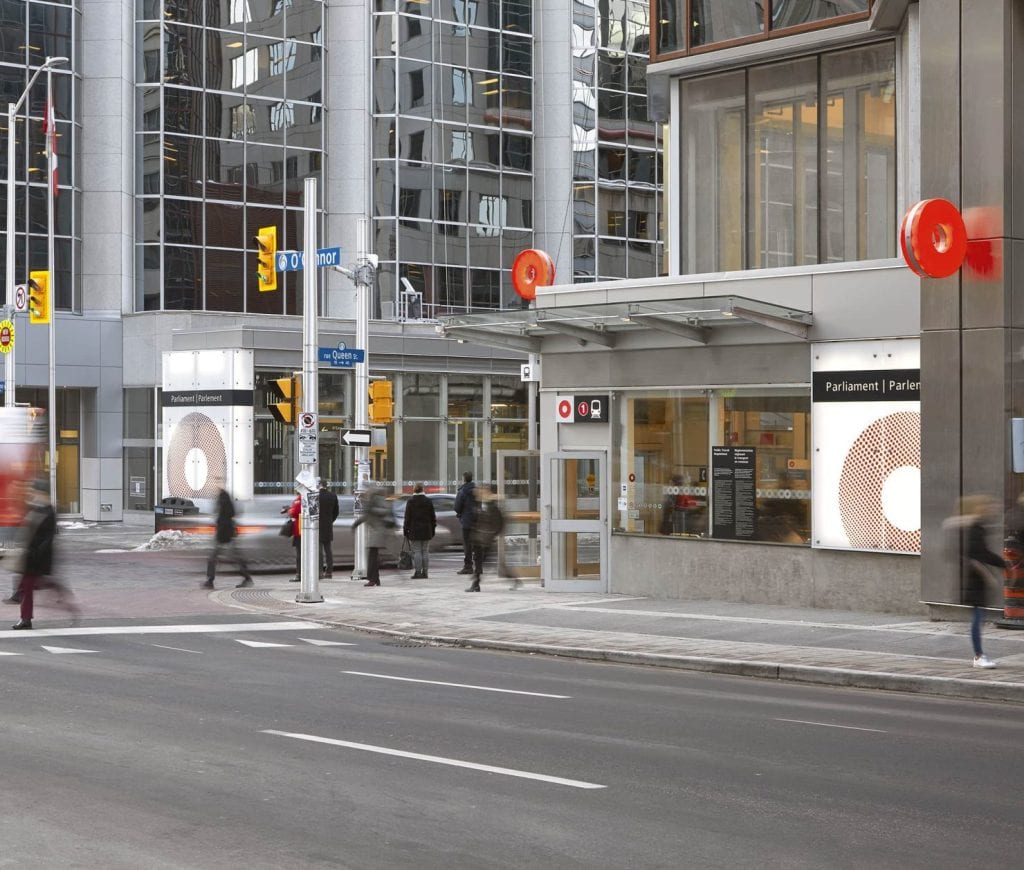
Roadway signs, entrances, parking guidance
A clean approach eases the first spike of stress
Inside the building
Color zones, directional signs, kiosks, department names
A route people can follow without asking
After the visit
Signs to the exit, pharmacy, payment, and follow-up
A smooth exit leaves a considerate last impression
The Key Elements of Effective Healthcare Wayfinding
Effective healthcare wayfinding rests on a few parts working together: consistent visuals, memorable landmarks, matched digital and physical tools, and accessible design. None of them work alone. Together, they turn a complex building into a place people can read.
Consistent Visuals, Colors, and Zoning
Consistent visuals and color zoning give people a mental map of your building. Assign each area a color and a plain name, then carry that color across signs, floors, and interior design so a patient learns the pattern once and reuses it. Color becomes a quiet visual language that works even when someone is too stressed to read closely. Drawing those color cues from the building’s own architecture helps the wayfinding signage feel like part of the place rather than an afterthought.
Landmarks, Art, and Environmental Cues
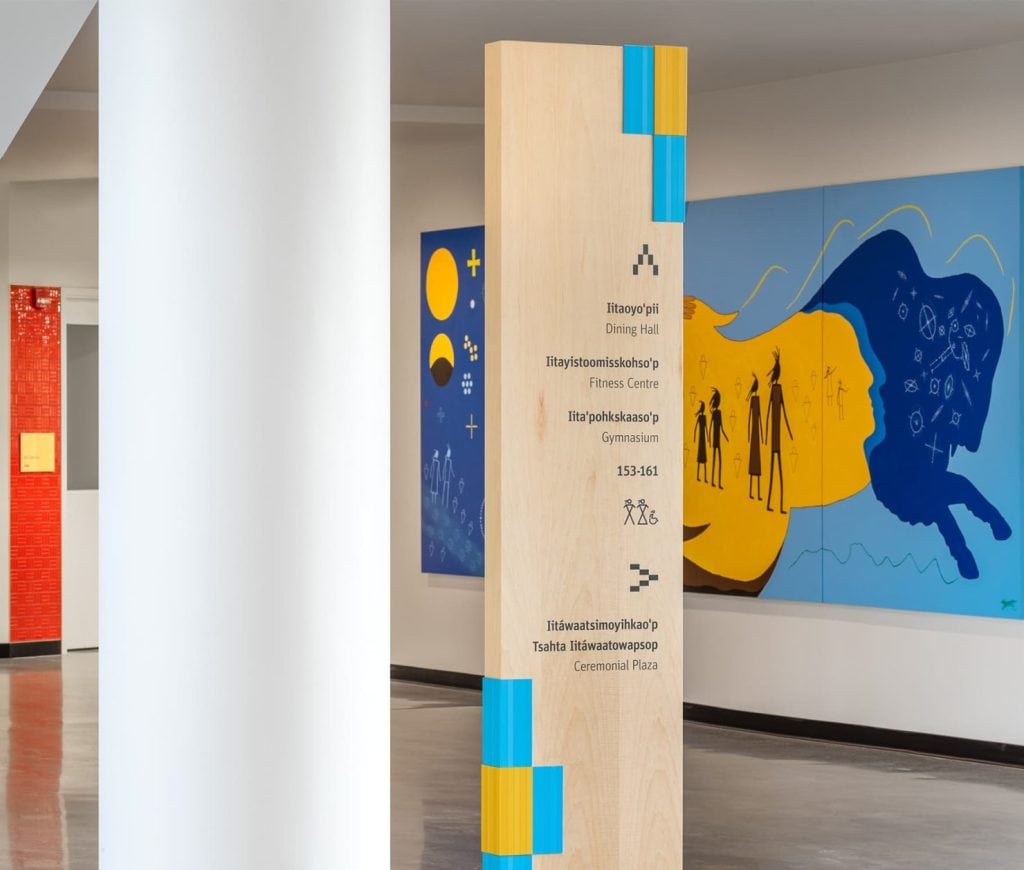
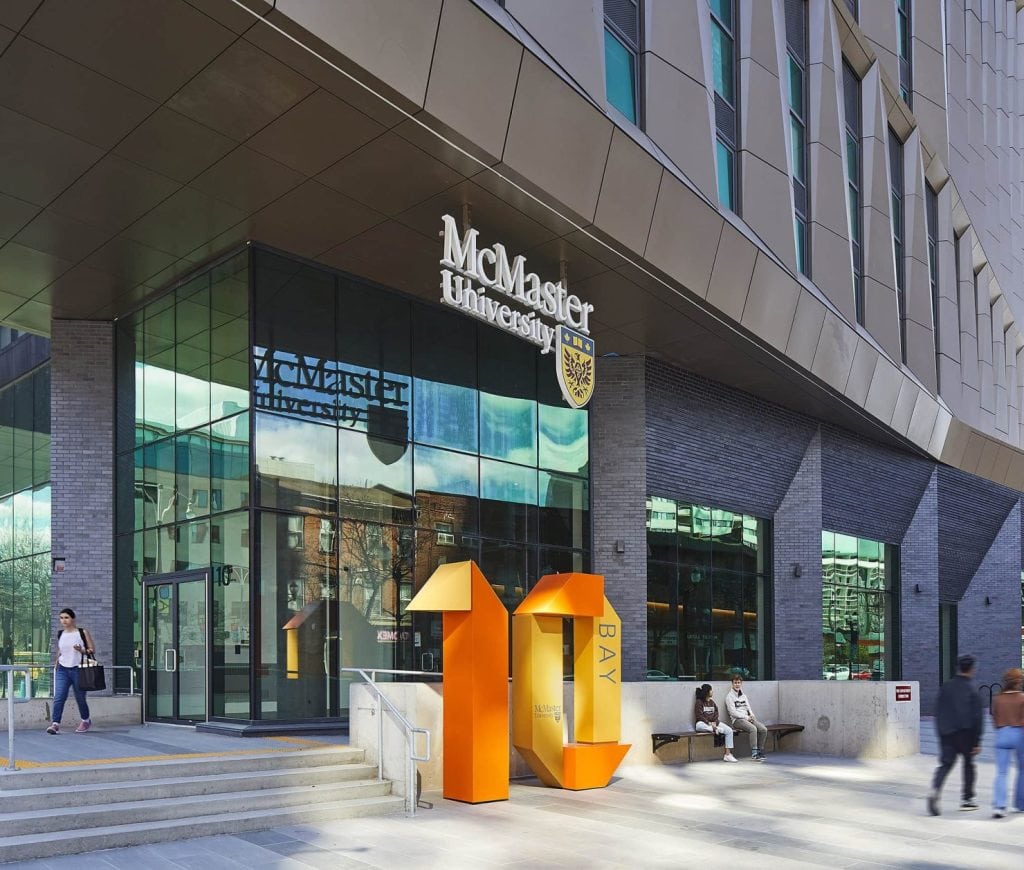
Landmarks, art, and environmental graphic designs help people orient without reading a word. A mural, a sculpture, a change in lighting, or a shift in flooring gives the brain an anchor and a sense of “I know where I am.” This works because people under stress read the environment before they read text. Placed at the right decision points, these cues do the same job as a sign, with less effort for the visitor.
Digital and Physical Wayfinding
Digital and physical wayfinding work best as one system, each covering what the other cannot. Digital tools should align with physical signs, not contradict them, and should support signage rather than replace it, since not every patient carries or uses an app.
Physical signs
Digital tools
Always available
Yes, no device or power needed at the point of use
Needs a screen, kiosk, or working phone
Trust and familiarity
What most patients look for first
Helpful, but still newer to many visitors
Brand presence
On every wall, door, and overhead
On the screens patients choose to open
Reach beyond the building
Fixed to where the sign is
Extends to phones before arrival
Real-time changes
Slower; each change needs new signage
Instant updates for room moves, closures, and wait times
Accessible and Inclusive Design
Accessible design is about belonging, not just meeting a rule. It works by layering cues so no one depends on a single sense:
tactile characters and braille for touch,
high-contrast type and clear pictograms for low vision,
plain language and multilingual signs for every reader.
The ADA Standards for Accessible Design set a baseline for details like tactile characters and contrast, and strong design treats that baseline as a floor, not a ceiling. The aim is a space where people with disabilities, visually impaired users, and first-time visitors alike feel they belong, because there is a spectrum of ability rather than fixed categories of disability.
How Entro Strengthens Your Healthcare Brand Through Wayfinding
Entrois an experiential design firm that has worked on wayfinding for more than 35 years. Our process pairs research with design: we study how people move through a space and test each layout with tools like eye-tracking before anything is built. Accessibility is a starting point rather than a final check, and a clear sign system also carries a brand, giving one building or a whole network of sites a single familiar identity.
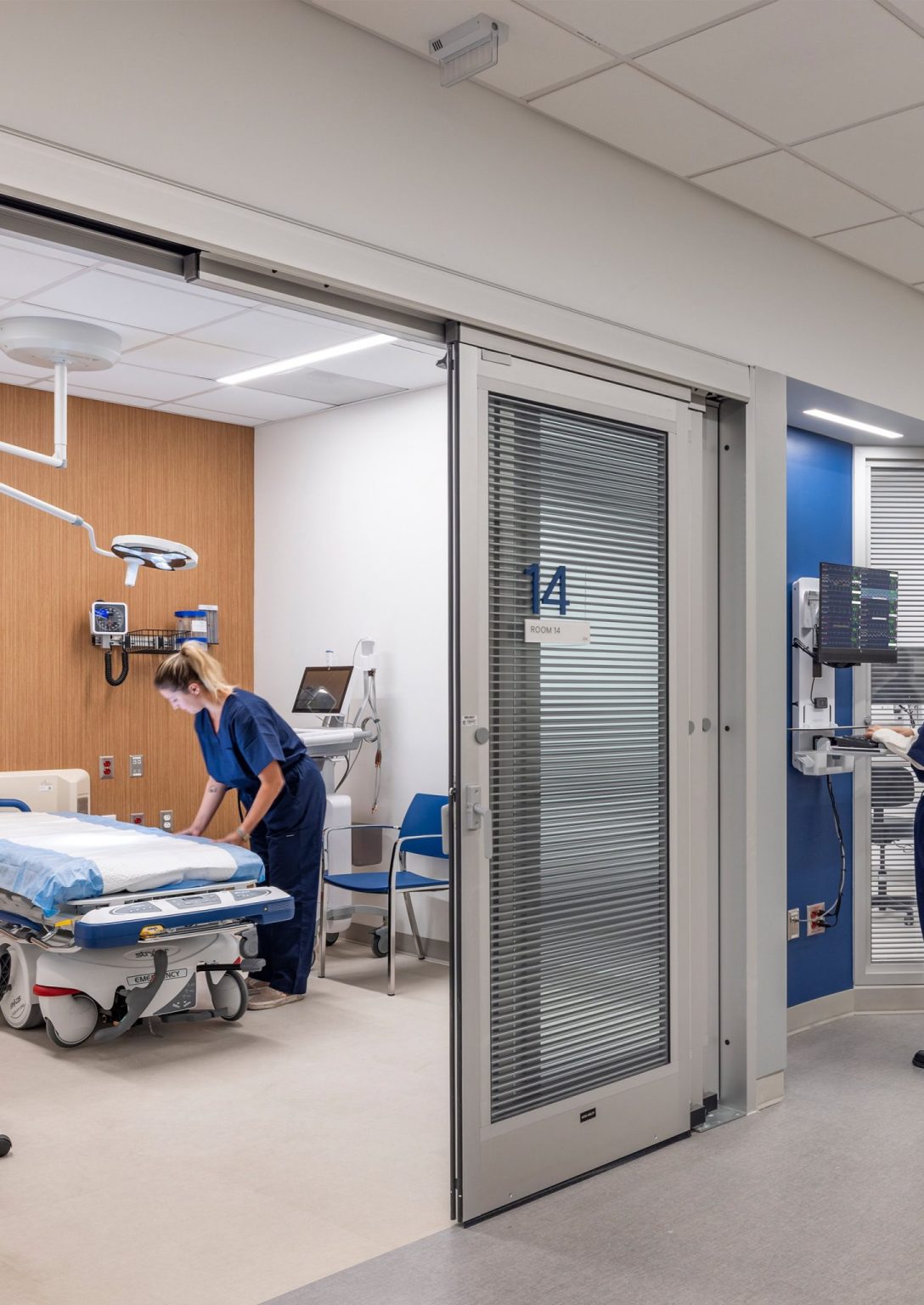
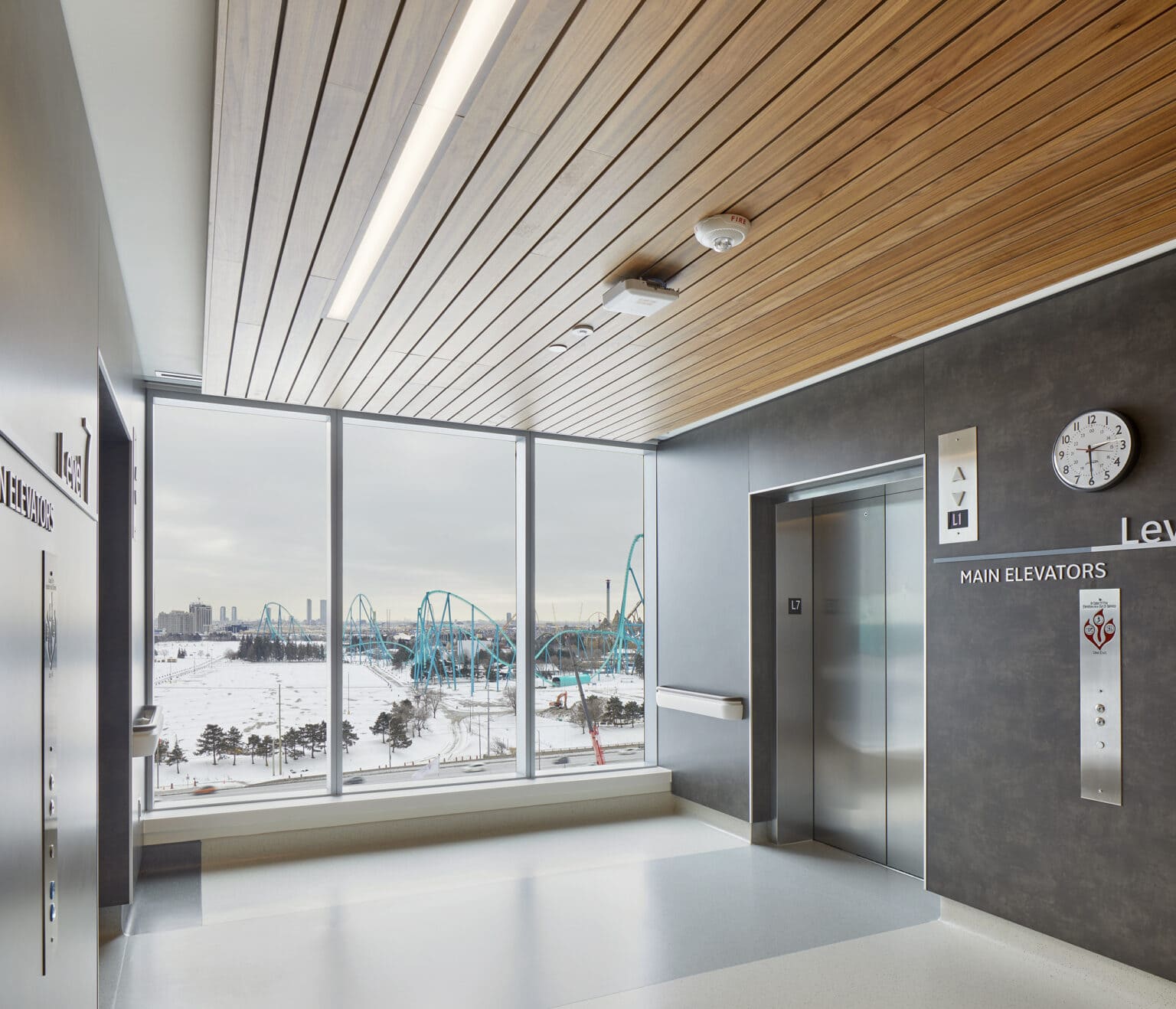
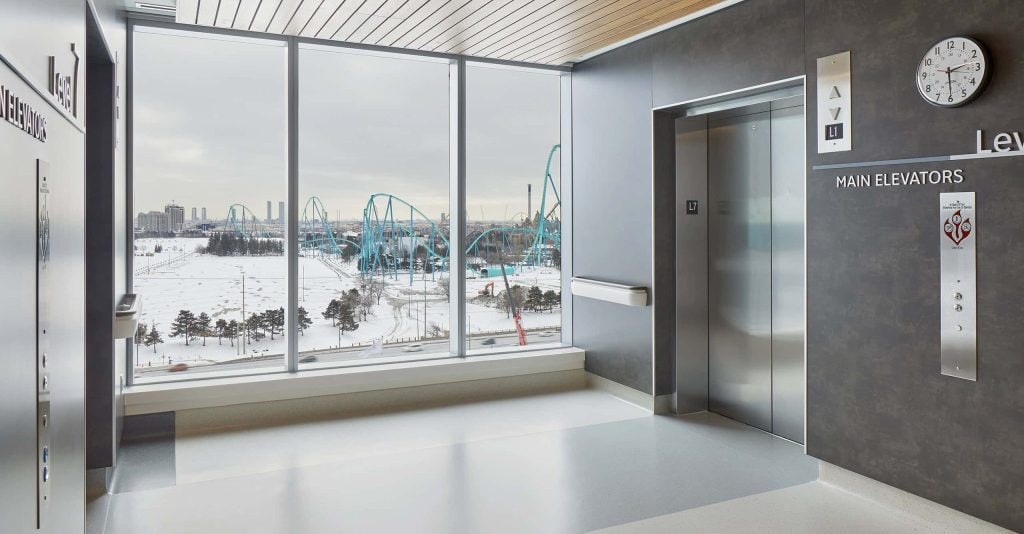
At Mackenzie Health’s Cortellucci Vaughan Hospital in Ontario, a 1.2-million-square-foot building with 11 floors, zoning colors drawn from the architecture help patients, families, and staff tell where they are, while braille, high-contrast type, and consistent names make each destination easier to find.
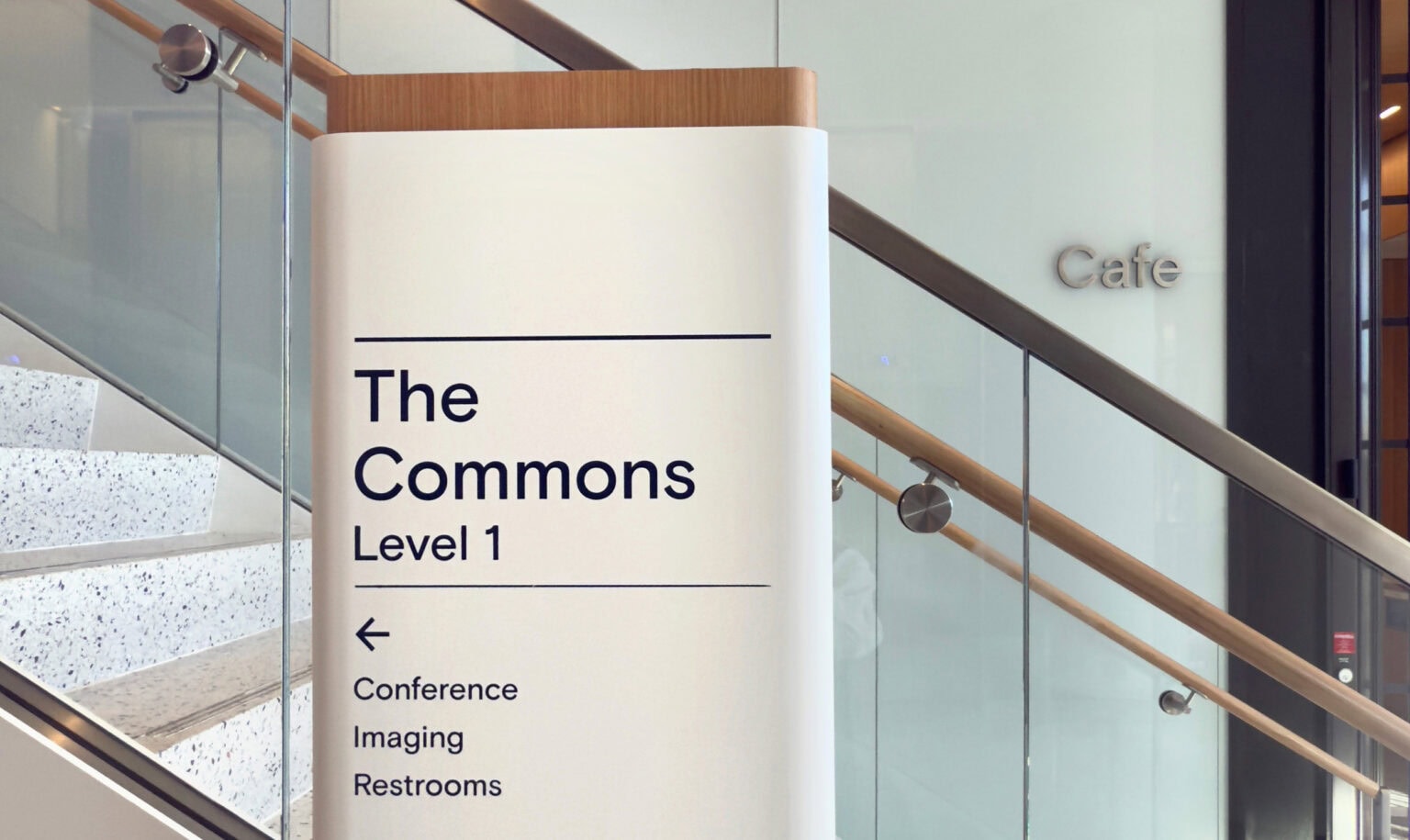
For Inova, which serves many sites across Northern Virginia and the Washington, DC area, a wayfinding master plan keeps names, signs, and placement consistent, so every location feels familiar and lowers the stress of arriving somewhere new. In both cases, the same idea holds: get people where they need to go, and the brand feels dependable without saying a word.
Conclusion: Wayfinding and Your Healthcare Brand
Wayfinding is your healthcare brand in built form. It shapes the first impression at the door, the trust a patient feels in the hallway, the consistency that ties your sites together, the loyalty that brings people back, and the confidence your staff carries into every interaction. It runs across the whole journey, from the confirmation email to the walk back to the car. Done with intelligence, compassion, and rigor, wayfinding helps people feel calm, cared for, and sure of where they are going, which is exactly what a healthcare brand is meant to promise.
Entro can design the wayfinding signage that gets people where they need to go. Talk to the team at Entro to plan new signage or fix signage that patients find confusing.
FAQs About Healthcare Wayfinding
How does wayfinding affect the patient experience?
Wayfinding sets the tone of a visit before any care begins. Clear routes lower stress and help patients arrive calm instead of flustered, and that early feeling carries into how they rate the visit.
What is the difference between wayfinding and signage?
It calms anxious patients, cuts missed and late appointments, and frees staff to spend more time on care. It also strengthens your brand and makes large buildings safer to move through.
What are the benefits of wayfinding in healthcare?
Good wayfinding in healthcare calms anxious patients, cuts missed and late appointments, and frees staff to spend more time on care and less on giving directions. It also strengthens your brand, supports accessibility, and makes large buildings safer to move through. In short, it improves the visit for patients, families, and staff at the same time.
What are the key elements of effective hospital wayfinding?
Consistent visuals and color zoning, memorable landmarks, matched digital and physical tools, and accessible design: together they give people a mental map they can follow without asking.
How does poor wayfinding affect a hospital?
It raises patient stress, causes missed and late appointments, pulls staff away from care, and can dent your reputation. Some published research puts the share of visitors who feel lost or anxious on the way to a department at up to a third.
Does wayfinding improve patient satisfaction scores
Wayfinding affects patient satisfaction, though it is one factor among many. A calm, clear arrival puts patients in a better frame of mind, which can carry into how they rate the visit. Hospital experience is measured through standardized surveys likeHCAHPS from the Centers for Medicare & Medicaid Services, where overall impressions matter.