About This Service

Designing Civic Wayfinding for Buildings That Belong to Everyone

The civic wayfinding experience is for a different kind of visitor. We don’t choose to visit government buildings. We visit because we have to get a permit, go to court, get social services, or vote. People often show up uncertain about the process, unclear about the place, and anxious about the next step. The building should meet them there. Clear and thoughtful wayfinding does exactly that.

Our approach draws from over three decades of public realm and institutional design. We study how citizens actually move through buildings where they hesitate, ask for help, and where the system fails them. We design signage that removes those friction points before they occur. Multilingual communication and accessibility are not afterthoughts. They are the foundation of civic environments.

When civic wayfinding works, citizens find the right department without asking twice. They understand the process without decoding the building. They feel that the institution was designed to serve them and that trust, built quietly through good design, matters more than any single interaction at a service counter.
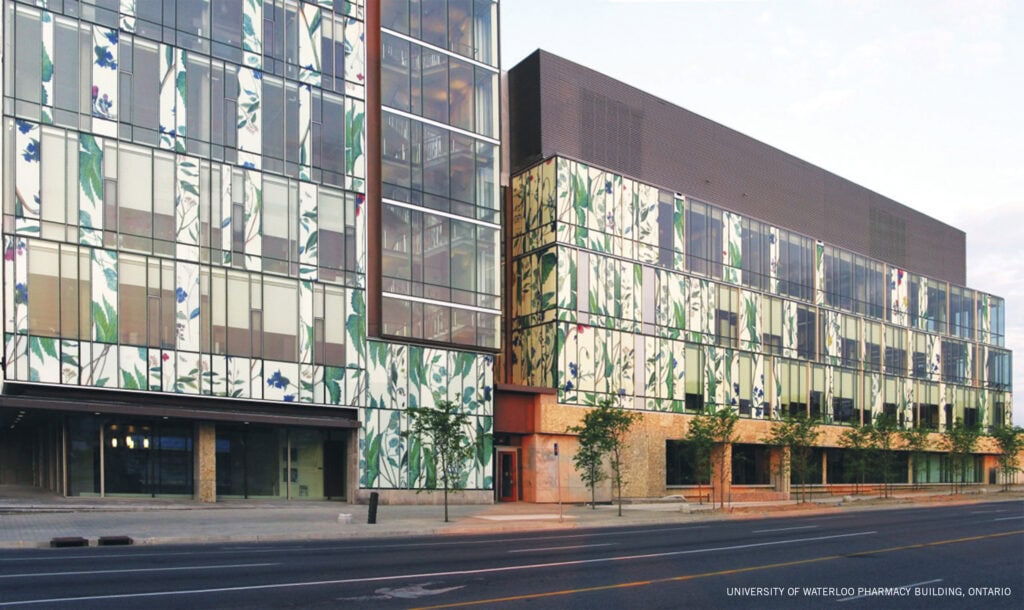
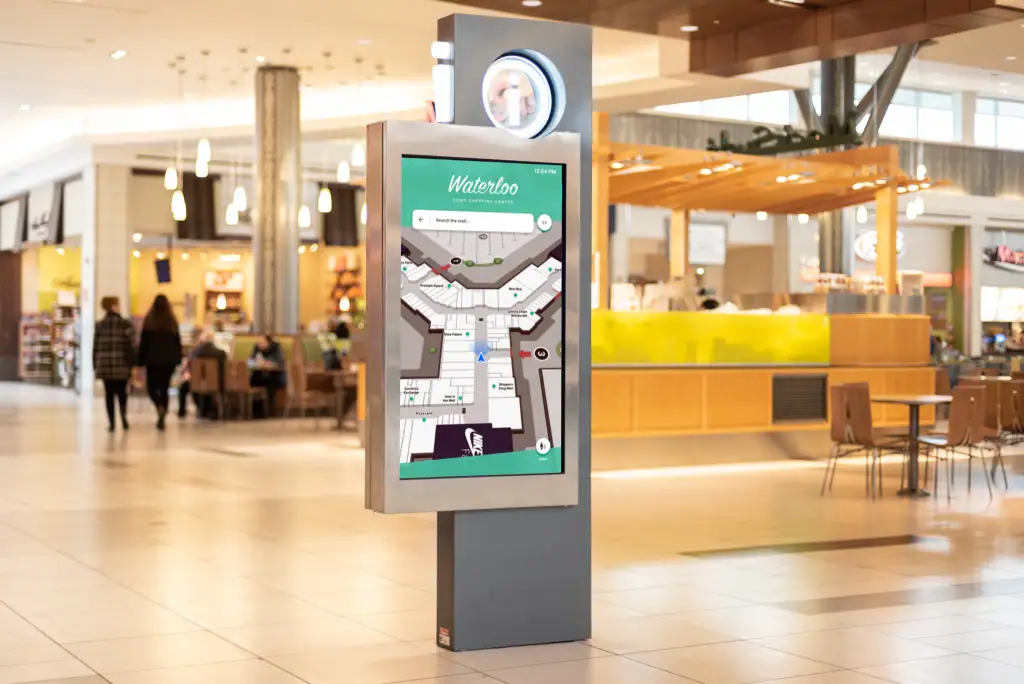
Uptown Waterloo BIA

Featured Work

Civic Wayfinding Projects

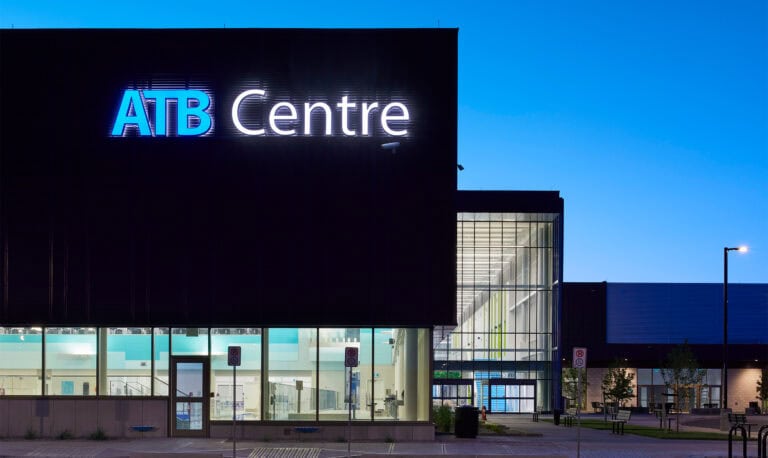
ATB Centre exterior at dusk, featuring large "ATB Centre" illuminated sign on building facade

Civic

ATB Centre

Civic recreation facility wayfinding

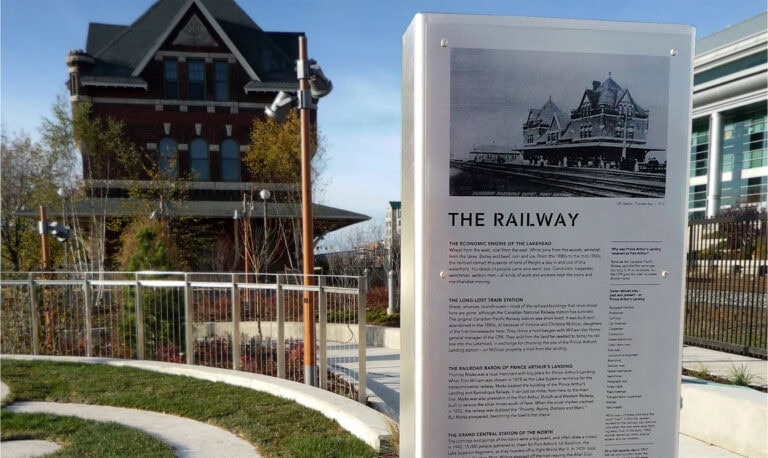
Prince Arthur's Landing interpretive sign on "the railway" infront of heritage building.

Civic

Prince Arthur’s Landing

Historic waterfront wayfinding

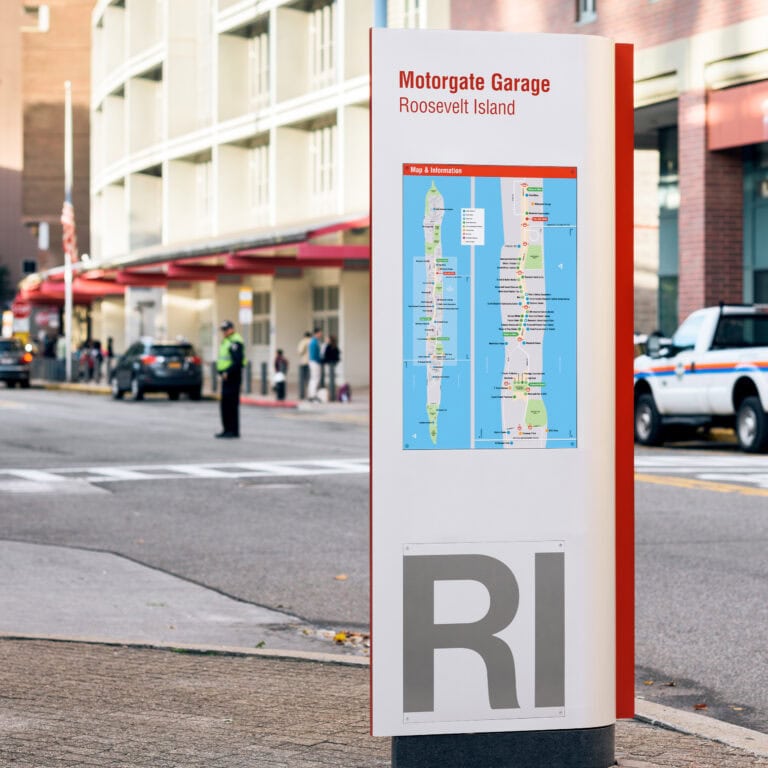
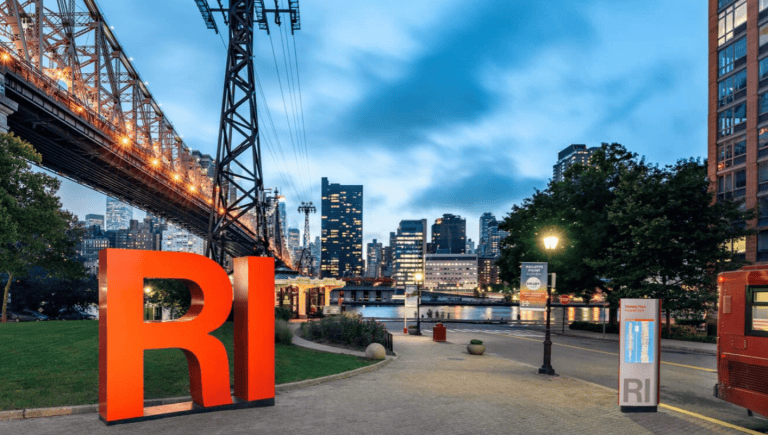
Roosevelt Island

Civic

Roosevelt Island

Urban island wayfinding

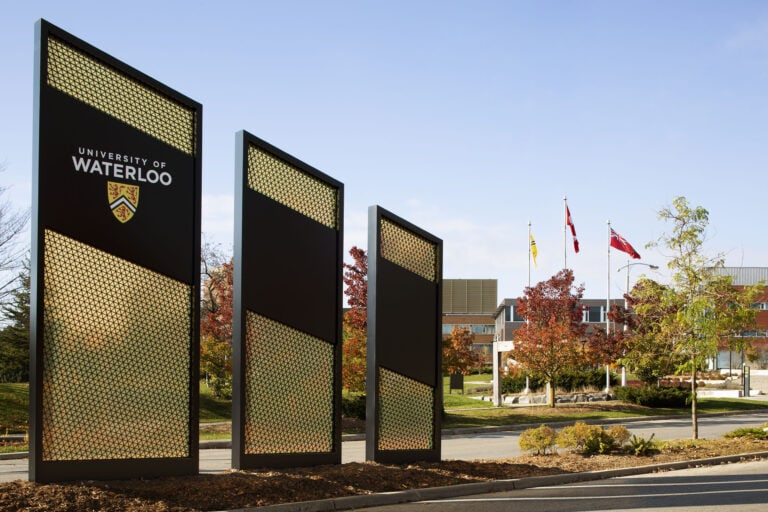
Uptown Waterloo BIA

Civic

Uptown Waterloo BIA

Uptown district wayfinding

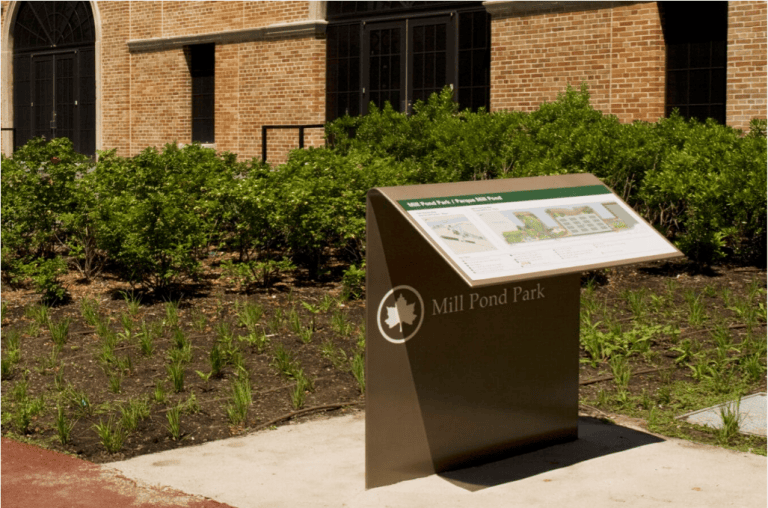
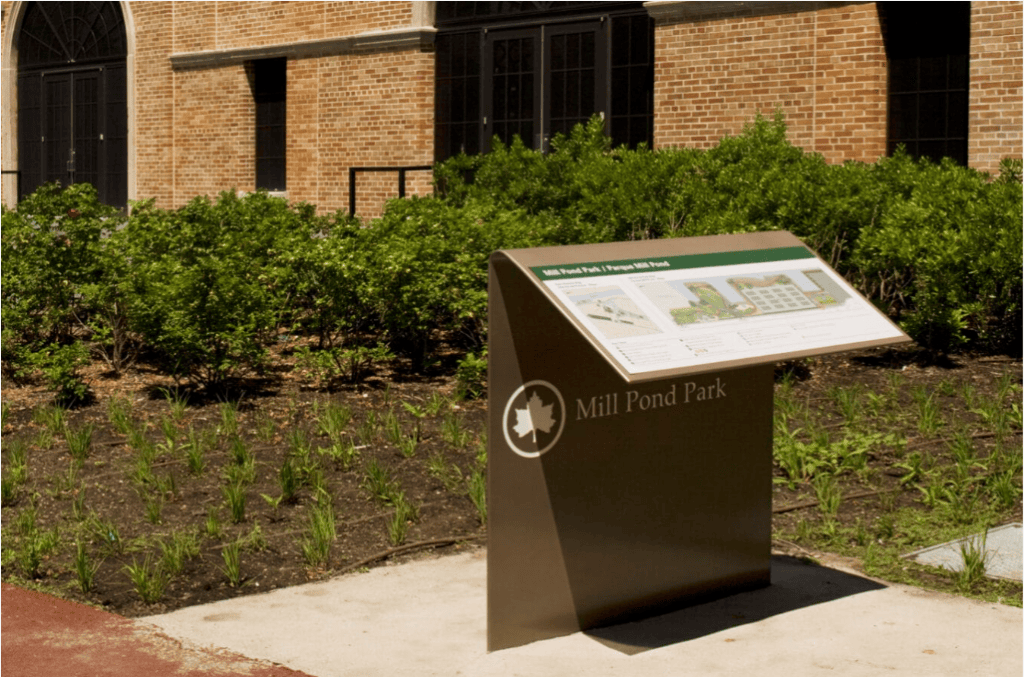
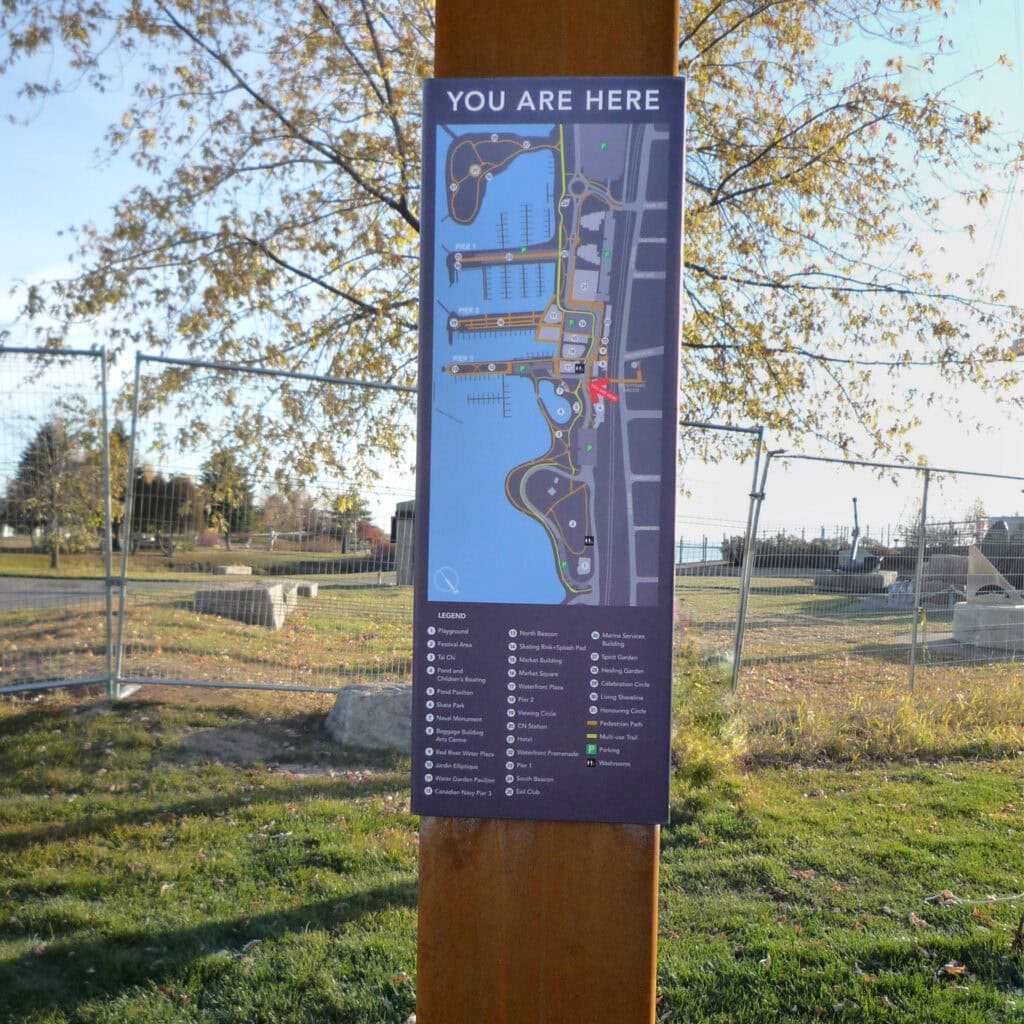
Mill Pond Park

Civic

Mill Pond Park

Historic park wayfinding

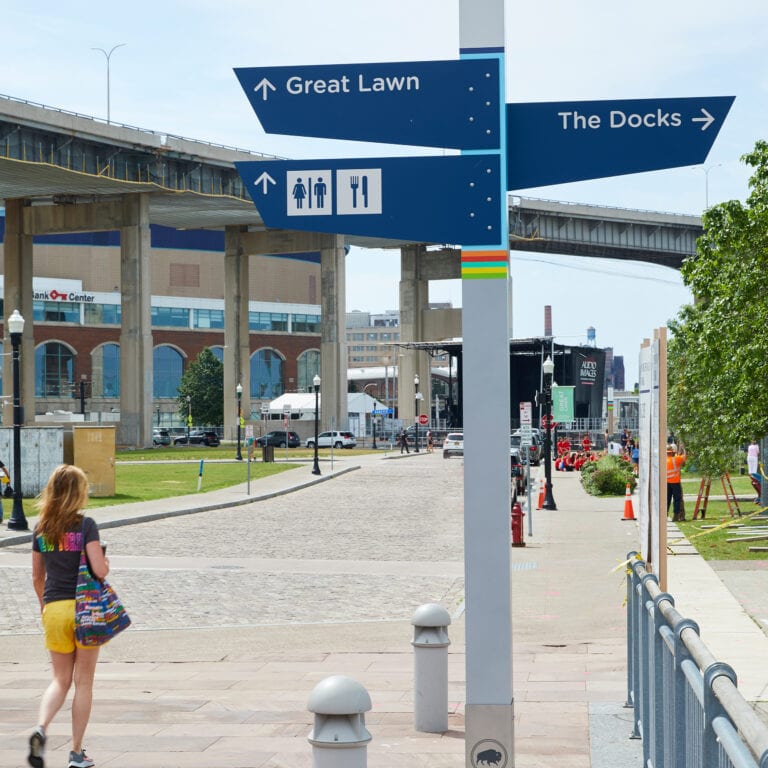
Canalside directional sign with a person walking beside it.

Civic

Canalside

Historical waterfront revitalization wayfinding

Entro

Civic wayfinding is about connecting people to public services, destinations, and community landmarks, making cities easier to navigate and more welcoming for everyone.

Need wayfinding for civic spaces? Let's talk.

Signage Solutions

Types of Civic Wayfinding Signage

Civic wayfinding is a coordinated system guiding citizens, staff, and visitors from the entrance through every department, service area, and public space the building holds.

01

Entrance & Lobby Signage

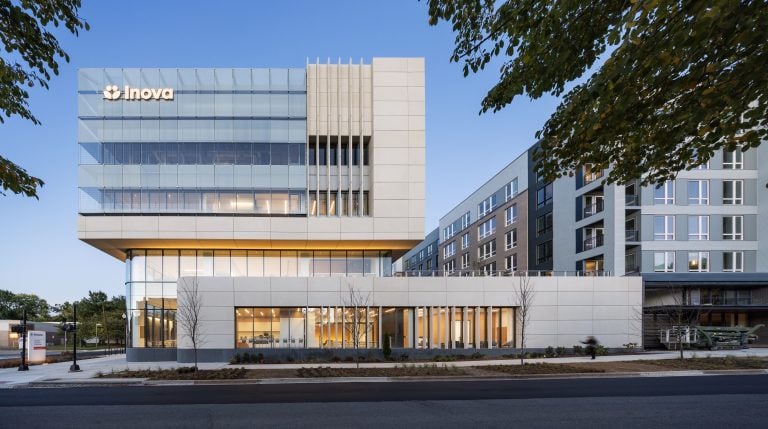
The lobby is the first point of contact, the first impression, in which the institution gets off to a start, and civic wayfinding either gains the public’s trust or loses it. Building identification, entrance markers, lobby directories, and visitor orientation all need to function in harmony to create immediate understanding. In buildings that house multiple government agencies, the lobby directory carries particular weight: it is the single point of orientation before citizens commit to a direction. We design these elements so that the first decision a citizen faces is also the easiest.

Building Identification
Lobby Directories
Visitor Orientation
Grange Park
02

Department & Floor Signage

Government buildings are constantly changing, with departmental reorganizations, office moves, and service name changes. The wayfinding system must accommodate this. The department and floor signage uses a modular system that allows changes to the naming panels and directories without replacing the entire system. The citizen should identify their destination from the lobby easily, rather than realizing they are on the wrong floor after walking the length of the building. We plan the wayfinding system for the building as it will be, not as it is today.

Department Identification
Floor Markers
Wing Signage
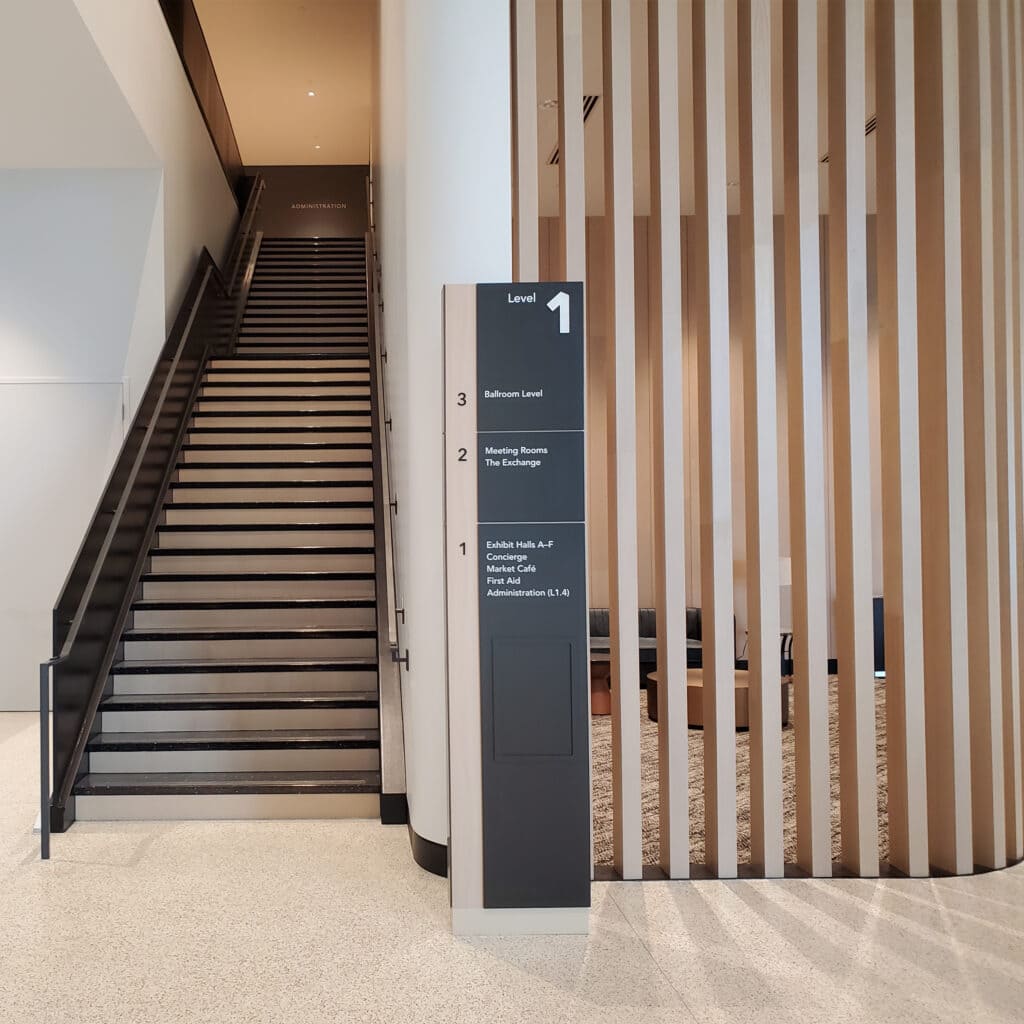
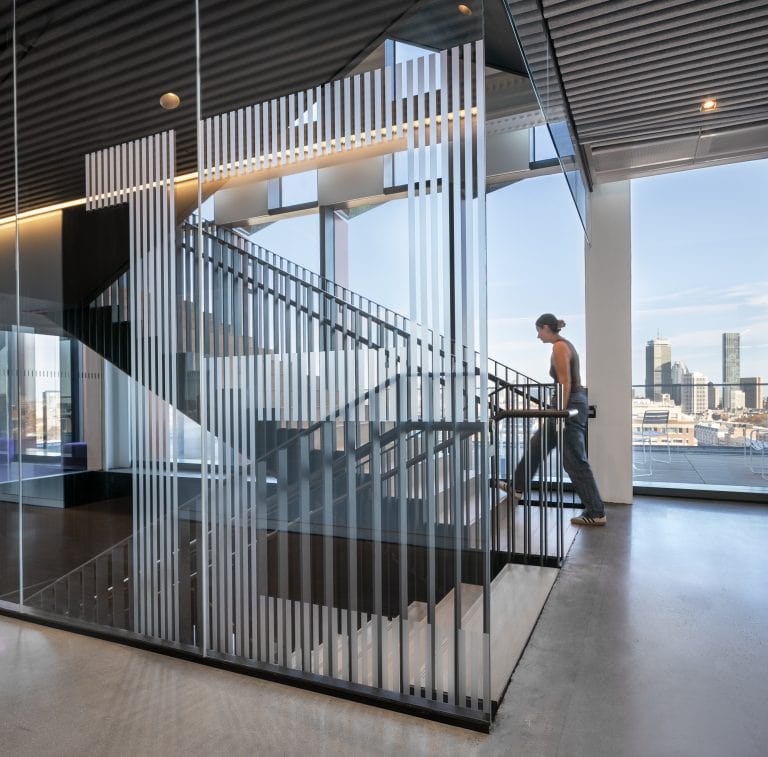
BMO Centre Interior Directional Stairs
03

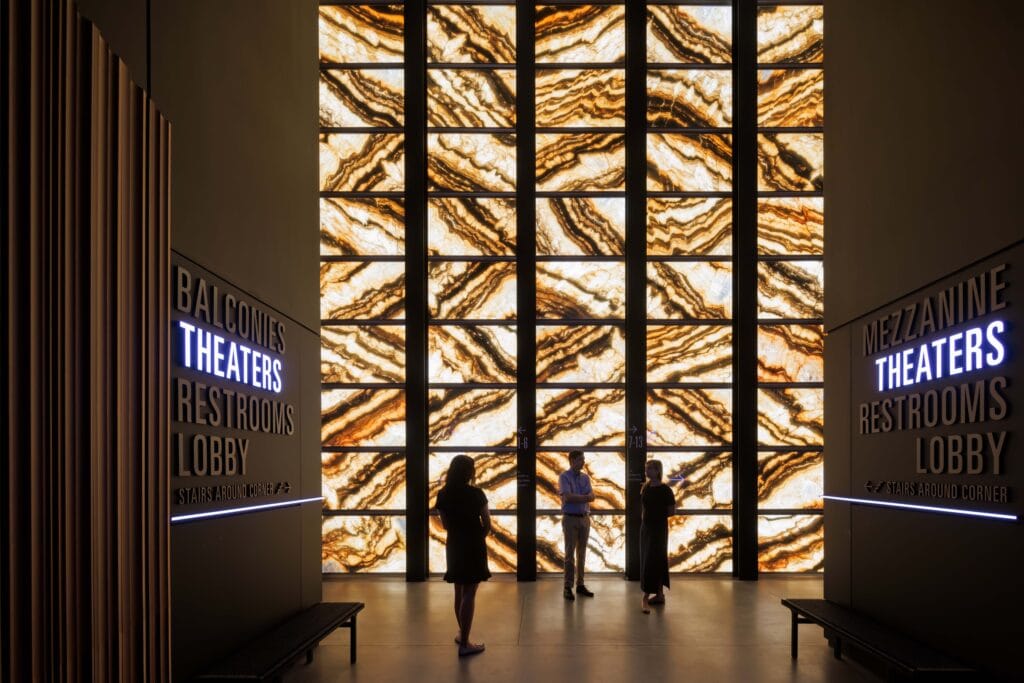
Directional & Corridor Signage

As civic buildings tend to be modified over the years, they become more complex, with extensions from different periods, floors that do not match, and corridors that lead nowhere. Directional signage, installed at all decision points, can make these complexities easier to navigate. The tone of this signage matters as much as its placement. Citizens visiting public buildings are members of the public being served. The signage should feel helpful and respectful, not institutional or commanding. We place wayfinding where people need it, in a voice that honors the relationship between government and citizen.

Corridor Directionals
Stairwell Signs
Elevator Directories
Perelman Performing Arts Center Interior Corridor
04

Service & Information Signage

Many civic buildings fail their visitors not because wayfinding is absent, but because essential information arrives too late. A citizen discovers the required documents only after joining the wrong queue. A visitor learns the service window is closed only after traveling to the third floor. Service and information signage — covering hours, required documents, queue management, and appointment check-in should reach citizens before they commit to a path, not after they have already wasted it. Positioned correctly, this signage reduces frustration for the public and administrative burden for staff alike.

Service Hours
Queue Management
Process Information
Mill Pond Park
05

Safety & Regulatory Signage

The emergency exits, fire routes, evacuation plans, and security screening signage should be clear and part of the civic wayfinding system, rather than a separate layer of compliance signage. Security screening, now common in courthouses and many government facilities, requires particular sensitivity: signage should direct citizens through this process efficiently and calmly, explaining what’s happening without making the building feel hostile. Safety in a civic building is a public responsibility.

Emergency Routes
Security Screening
Accessibility Signage
Directory Signage
06

Exterior & Approach Signage

The civic wayfinding experience begins before anyone reaches the entrance. Building identification, accessible approach routes, parking guidance, and campus maps for multi-building government complexes all help citizens identify the right entrance before they arrive at the wrong one. This is especially consequential for citizens arriving by transit, who need to orient immediately upon exiting the station, not after a loop around an unfamiliar civic campus. We design exterior signage systems that make arrival feel considered, not accidental.

Building Identification
Accessible Approaches
Campus Maps
Prince Arthurs Landing

FAQ

Wayfinding Civic Signage

Common questions about civic wayfinding design for government buildings and public institutions.

Civic buildings serve people who visit the place being anxious, unfamiliar with the environment, and navigating processes they do not fully understand. Clear and dignified civic wayfinding reduces that anxiety and signals that the institution values citizens' time. When signage fails in a public building, it does not just inconvenience: it erodes the relationship between the institution and the people it exists to serve.

Civic spaces exist for the entire scope of their communities, including those who cannot read the dominant written language. Good civic wayfinding design uses universal iconography, color, and text, ensuring that language limitations will never be a barrier in civic spaces. Our experience working with one of Philadelphia’s sixth-largest transit systems, SEPTA, demonstrated how color and letter coding could address both non-English speaking populations and color vision deficiency, a concept that has direct application in civic spaces.

The greatest obligation to serve every member of the public who enters falls on public institutions. This is where civic wayfinding comes in, with considerations including tactile wayfinding elements, high-contrast signage, accessible routes, elevator and ramp designation, and linguistic considerations for people with different levels of literacy. If a member of the public cannot move within a public institution independently of the wayfinding system, then the institution has failed in its basic purpose.

Government buildings are reorganized frequently. Departments move, offices merge, and services are consolidated or renamed. We design civic wayfinding programs with modular systems. So, panel, directory, and floor information can be updated without replacing the entire installation. The wayfinding infrastructure is built to outlast any individual departmental reorganization, protecting the long-term investment while keeping the building accurate and navigable.

Security screening is increasingly standard in courthouses and government offices, and the signage in these areas carries significant responsibility. Citizens approaching a screening point are often already uncertain about the process. Civic wayfinding in these spaces should provide clear queue management, visible procedural instructions, and a tone that guides people through calmly, making the process legible without making the building feel threatening. Good signage here does not just direct. It reassures.

Courthouses, city halls, legislative buildings, and public libraries are architecturally important places that communities identify with and take pride in. Civic wayfinding must respect that. We closely work with architects to design signage that reflects the building's materials, spatial character, and institutional identity. At Union Station in Toronto, Entro's wayfinding honors the Beaux Arts architecture through contemporary pylon forms and an interplay of bronze and zinc finishes: signage that belongs to the building rather than sitting on top of it.

A single civic building typically requires three to six months from research and strategy through to final documentation. Multi-building government campuses or city-wide public institution programmes may extend to eight to fourteen months, particularly where coordination across multiple departments or agencies is required. Civic wayfinding programmes frequently align with renovation or capital improvement schedules we are experienced in working within those constraints.

EXPLORE MORE INDUSTRIES

More Industries We Serve

We deliver custom wayfinding solutions tailored to the unique needs of every industry.

Healthcare

Healthcare

Education

Education

Parking Garage

Parking Garage

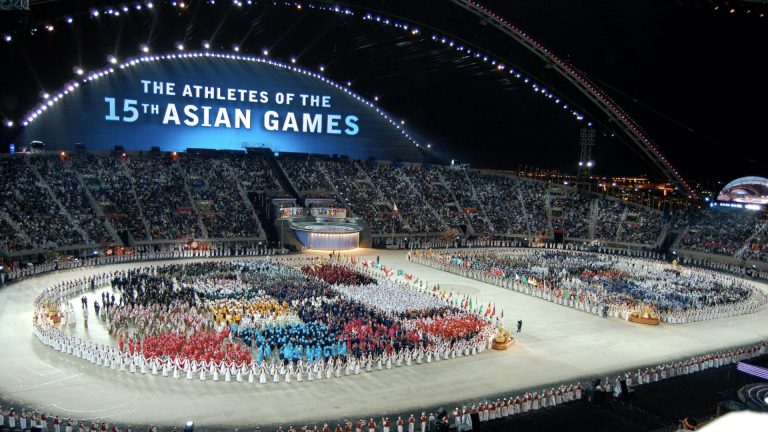
Sports Stadium

Sports Stadium

Airports

Airports

Retail

Retail

Zoo

Zoo

Office

Office

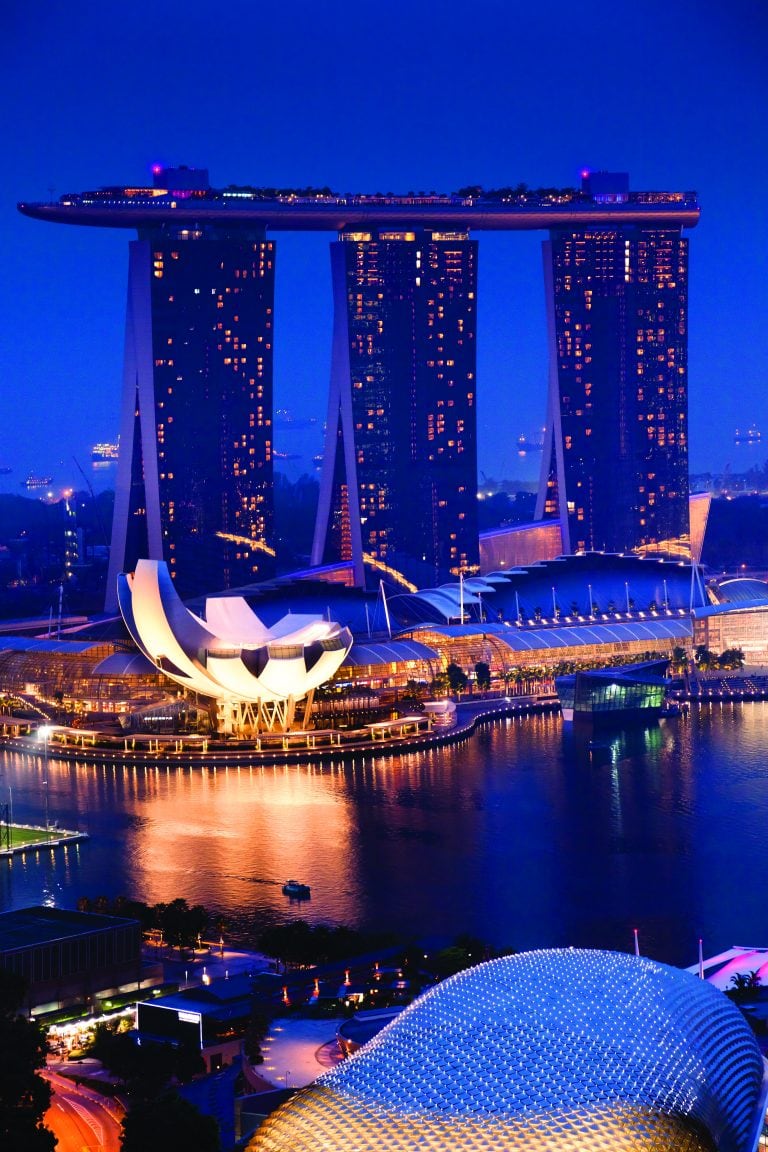
Park

Park

Hotel

Hotel

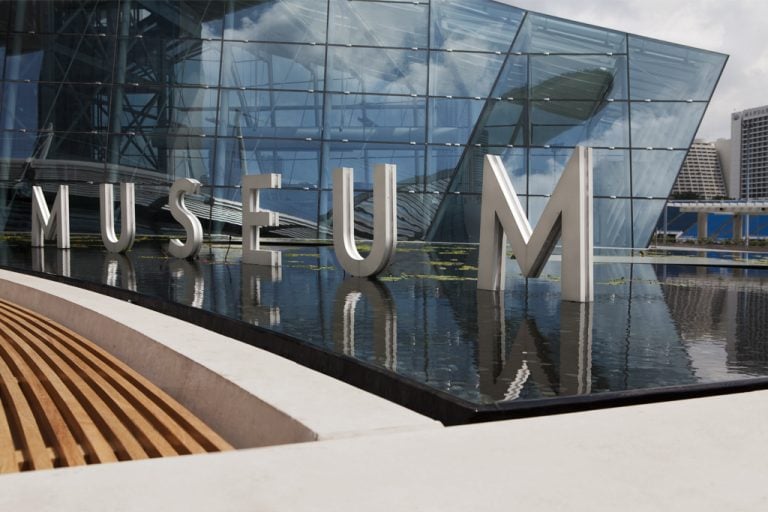
Museum

Museum

Resort

Resort

Event

Event

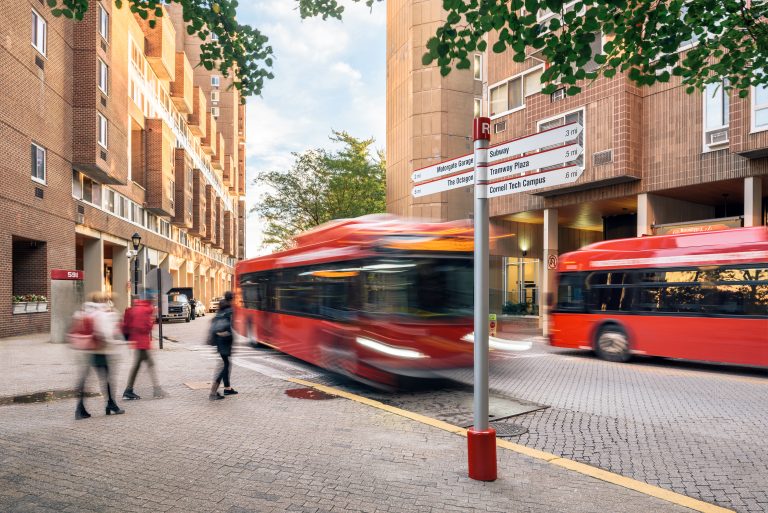
Transit

Transit

Theatre

Theatre

Civic

Civic

Residential Community

Residential Community

Theme Park

Mixed-Use

Mixed-Use

Let's Work Together

Ready to Shape Your Civic Wayfinding?

Design a civic wayfinding programme that gives citizens confidence, reinforces institutional trust, and makes every public building feel genuinely welcoming to everyone it serves.

24hr response