About This Service

Designing Navigation For Open Landscapes

Parks are shaped by nature, not architecture. Trails bend, sightlines close with foliage, and conditions shift with seasons and weather. Visitors range from daily users to first-time families. A park wayfinding system should help people find their way without making the park look messy or breaking the peace that people want.

We create signs that tell a place’s story and aid in navigation via placemaking, interpretive design, and public installation techniques. We collaborate with conservation authorities, landscape architects, and city planners to ensure that signs don’t overpower the landscape and support larger objectives for land care.

People move with confidence, stop to learn, and feel connected when they get home, when wayfinding is done well. It’s an unforgettable and clear experience. Each decision we make is based on compassion, intelligence, and accuracy.
Featured Work

Park Wayfinding Projects

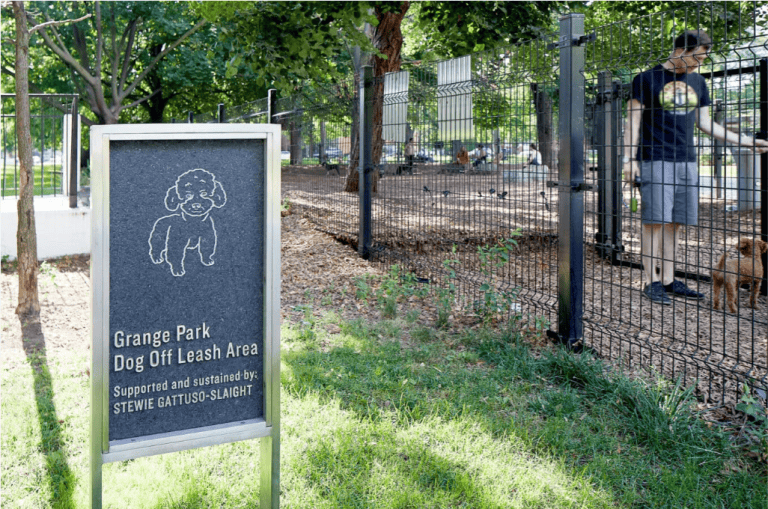
Grange Park

Park

Grange Park

Artistic park signage

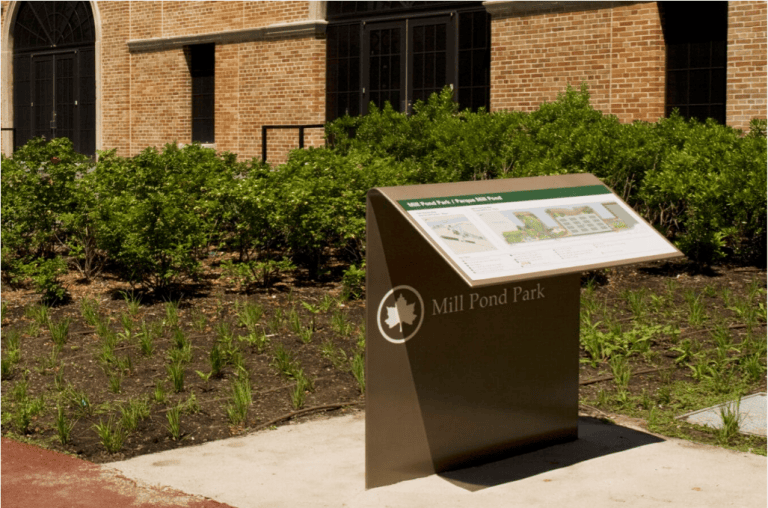
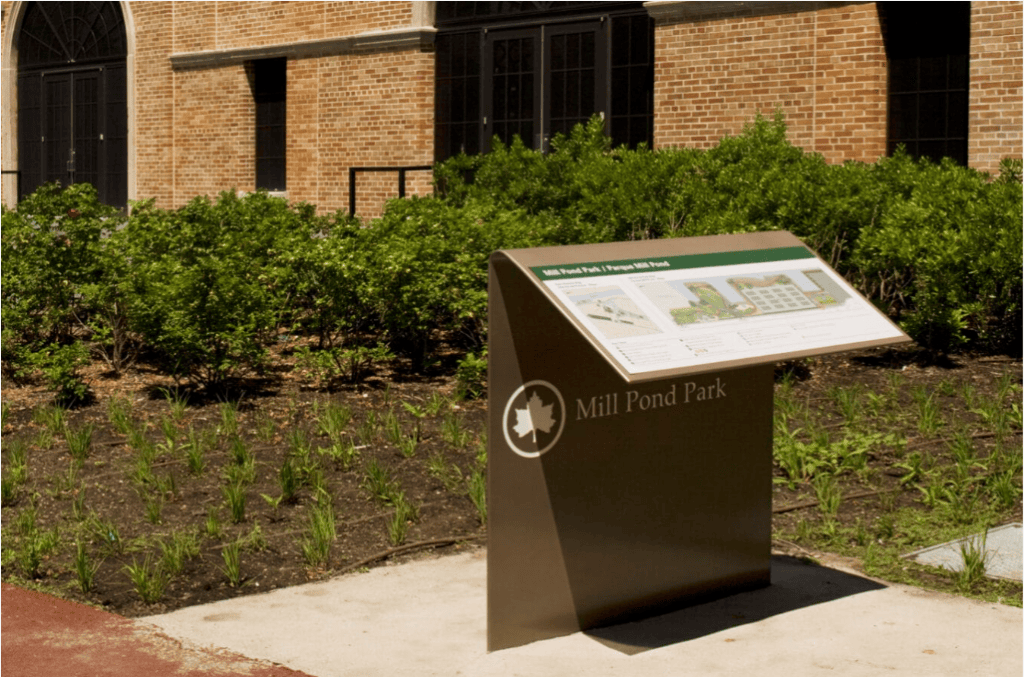
Mill Pond Park

Park

Mill Pond Park

Interpretive history wayfinding

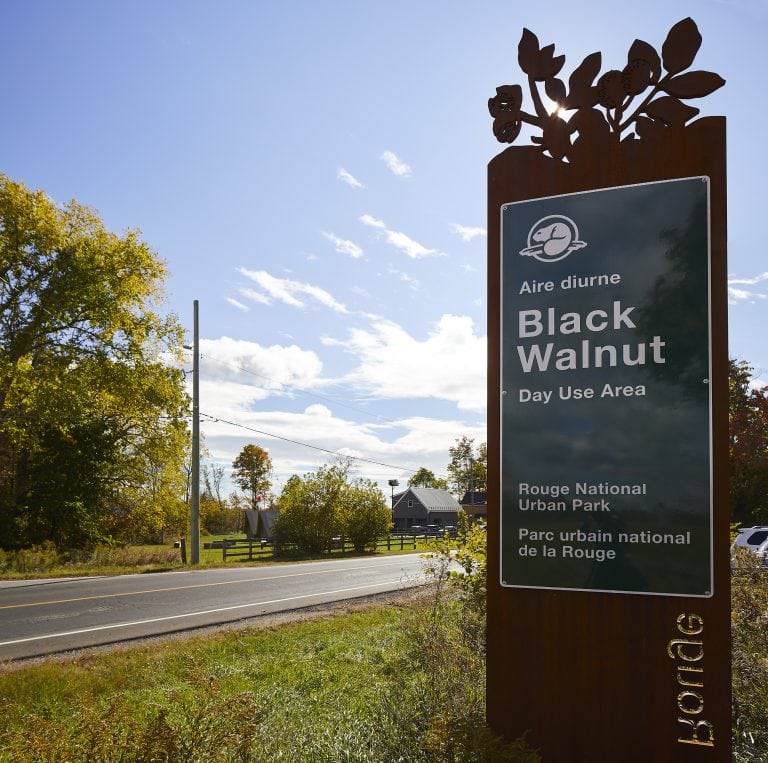
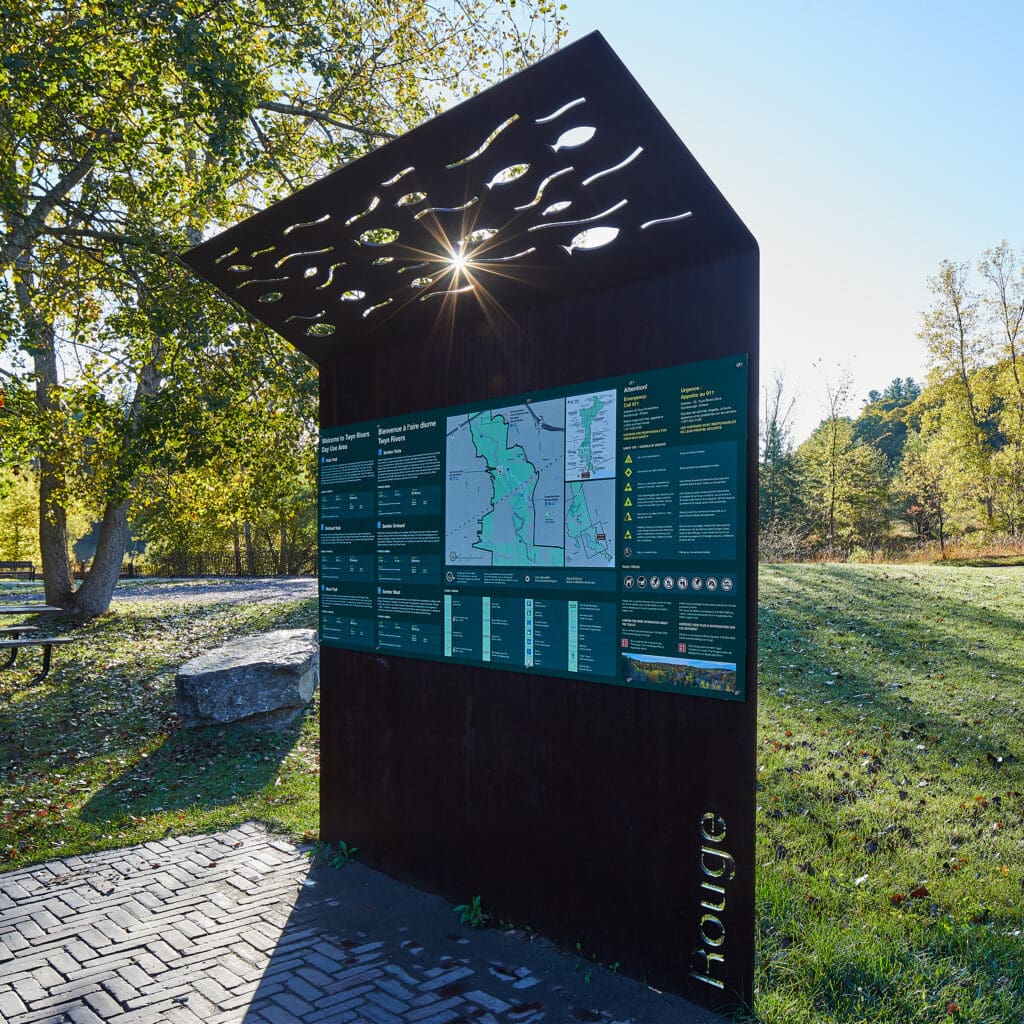
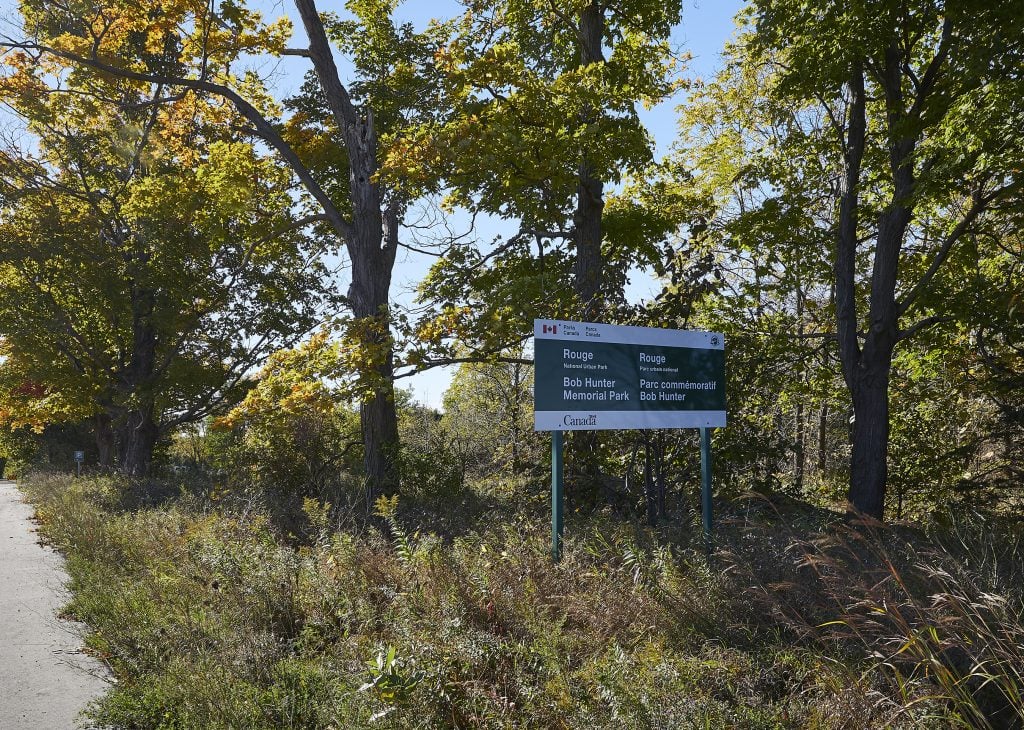
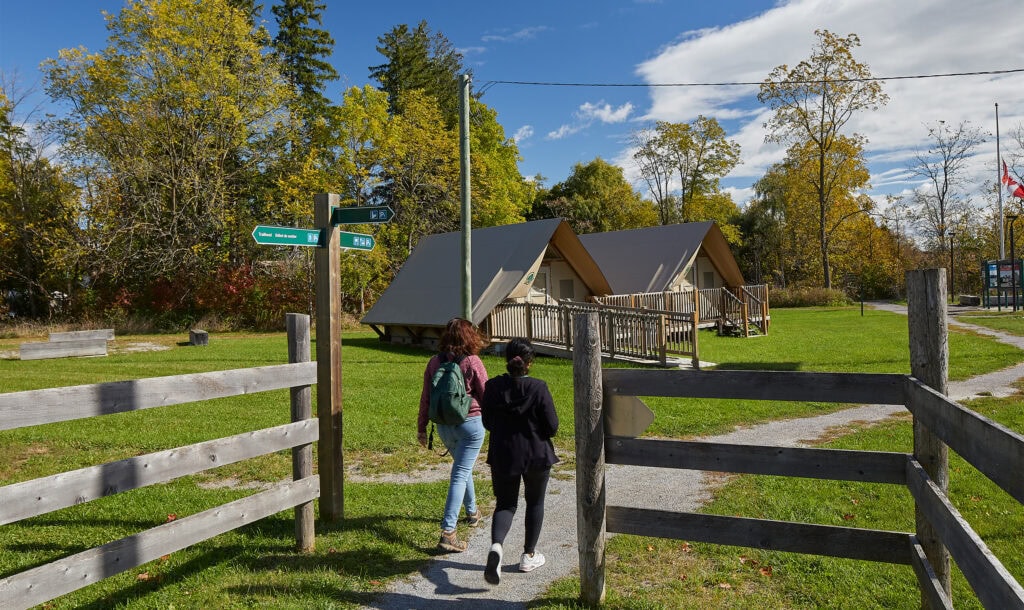
Rouge National Urban Park

Park

Rouge National Urban Park

Playful trail placemaking

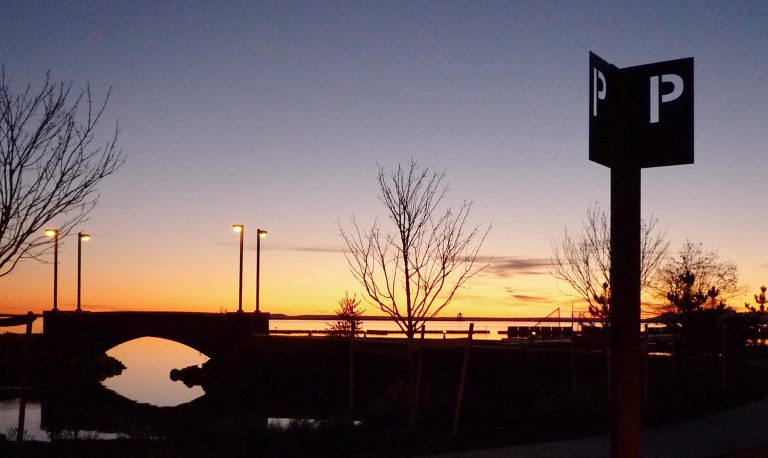
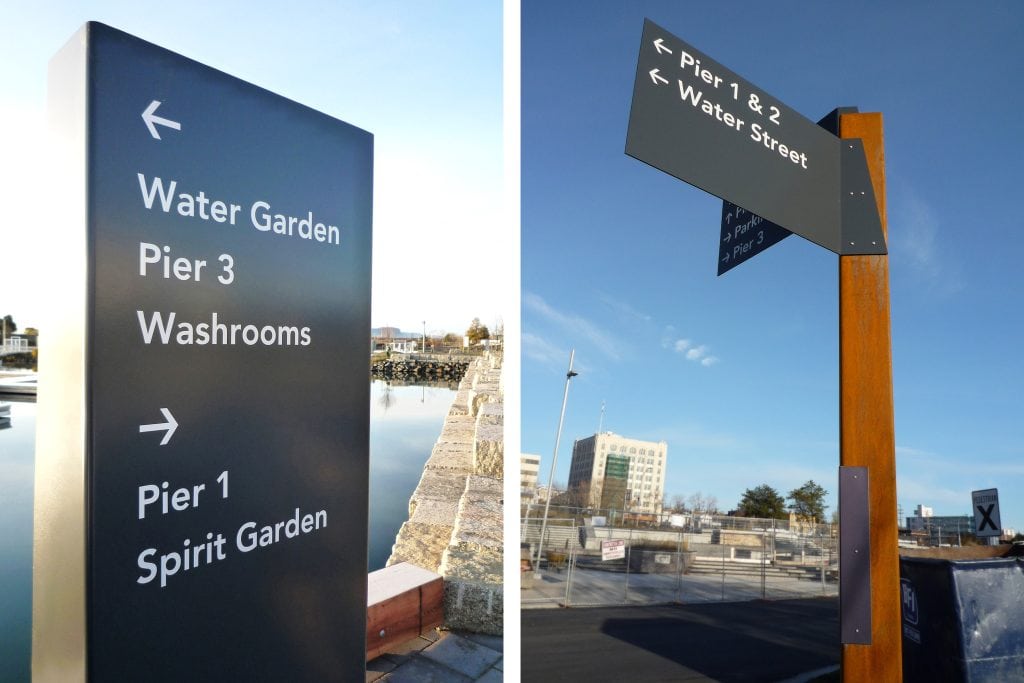
Prince Arthur Landing

Park

Prince Arthur’s Landing

Industrial heritage waterfront wayfinding

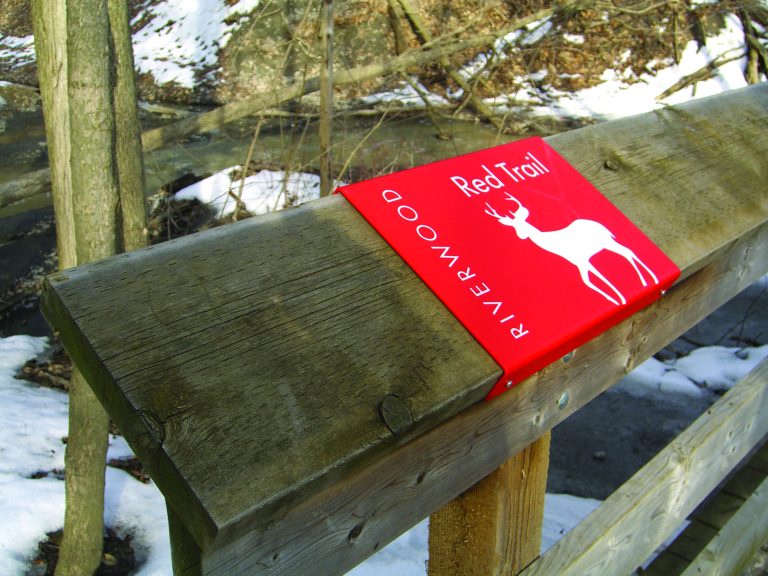
Riverwood

Park

Riverwood

Non-intrusive trail icon wayfinding

Entro

Park wayfinding signage helps people explore trails, facilities, and natural elements, making every visit enjoyable and accessible.

Need wayfinding for parks? Let's talk.

Signage Solutions

Types of Park Wayfinding Signage

Park signage must do three jobs at once—navigate visitors, communicate safety, and tell the stories of the place—so every element serves function and meaning.

01

Entrance & gateway signage

Expectations are set when you arrive. Visitors find info about the amenities, trails, and rules on the entrance signs and orientation maps without difficulty. This helps them decide how to spend time in the park. Good gateways make a place feel like home without taking over the surrounding space.

Welcome signs
Orientation maps
Park identity
Area Identification
02

Trail & path signage

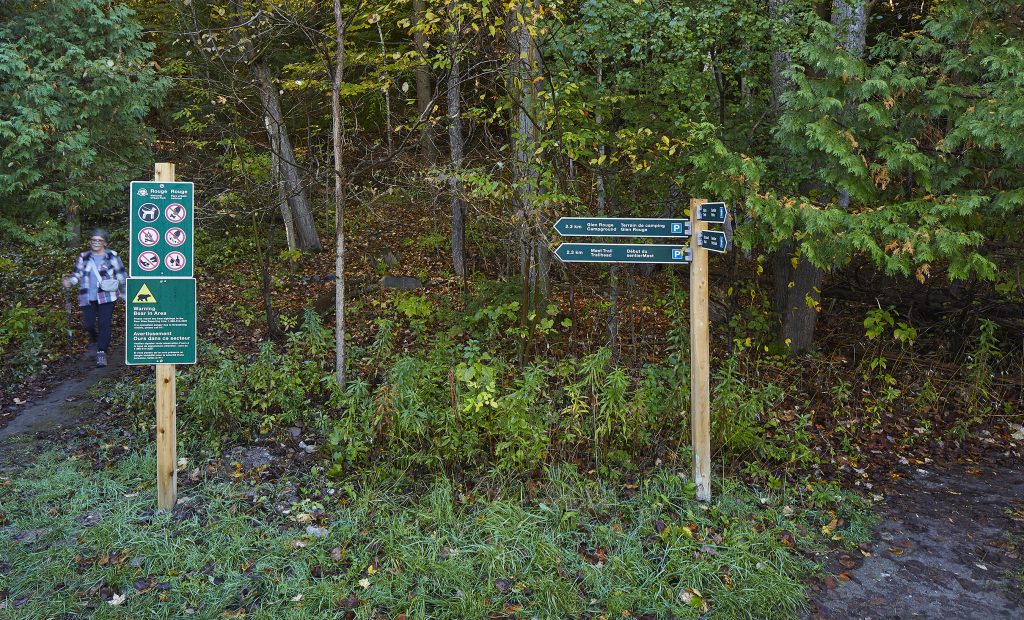
Junction signs, distance indicators, and trail markers help people navigate lengthy or complicated routes. In order for visitors to make informed decisions and enjoy their walk, they must be able to clearly convey difficulty and distance in low light and through seasonal foliage.

Trailhead markers
Distance indicators
Junction signs
03

Educational and interpretive signage

The history, ecology, and cultural significance of an area are revealed via educational panels. They promote stopping and more in-depth interaction when positioned at lookouts, waterways, and habitats.

Ecology panels
Interpretation of heritage
Wildlife details
Mill Pond Park
04

Signage related to safety and regulations

Where decisions are made, there must be clear warnings, closures, and emergency location markers. To ensure that important messages are understood without appearing like an irrelevant overlay, safety signage should employ the same visual language as other wayfinding components.

Trail cautions
Emergency markers
Park regulations
Safety Signage
05

Signage for amenities and facilities

Large areas are frequently covered by amenities. Families and individuals with mobility needs can plan their visit and avoid needless detours by using advanced wayfinding to restrooms, shelters, and visitor centers. Longer stays and comfort are encouraged by clear facility signage. Shelters and restrooms | picnic spaces | visitor centers

Shelters and restrooms
Picnic Spaces
Visitor Centers
Amenity Signage
06

Parking & approach signage

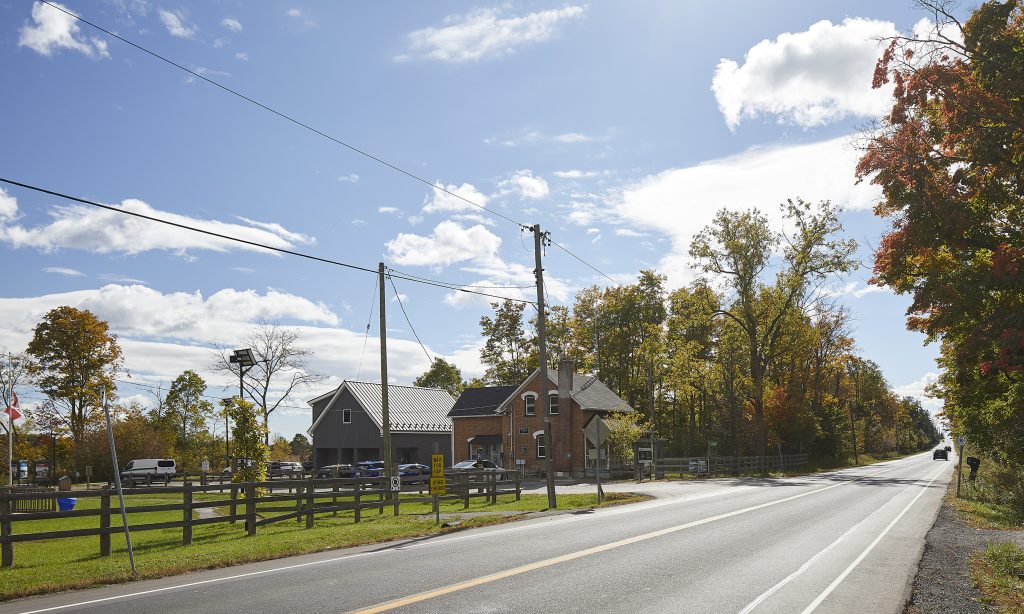
A calm, clear approach from road to car park to trailhead matters. Parking and approach signs guide visitors to the right entry for the activities they intend to do by reducing congestion and improving first impressions of the park experience.

Parking areas
Trailhead access
Park entry points
Exterior Signage

FAQ

Park Wayfinding Signage & Design

Common questions about wayfinding design for parks, trails, and outdoor public spaces.

Parks don't have hallways or corridors that direct you. Views open up, paths split off, and it's simple to pass something worth pausing for. Good signage preserves the freedom that defines a park while providing visitors with just enough structure to feel oriented.

Everything is exposed. Sun fades materials. Rain warps cheap substrates. Snow buries low-mounted signs. And the distances between decision points are far longer than in any building. On top of that, the signage has to share space with nature - not fight it for attention.

The environment will determine this. A mountain trailhead will employ a different type of material than a coastal boardwalk. We use weathering steel, stone, sustainable wood, recycled materials, etc. The topography, climate, and aesthetics of the landscape are considered. It should develop naturally, just like everything else.

It should. Many parks are part of bigger trail systems or are close to transit stops and other communities. We make wayfinding that goes beyond the park's edge and into the public space around it. This way, visitors can move between systems without getting lost.

Trail markers and distance indicators let people know where they are and how far they've come. Emergency location points give first responders a reference if something goes wrong. In large parks, especially, that kind of clarity is not just helpful - it's a responsibility.

The thinking is the same. The application is different. Urban parks deal with crowds, mixed activities, and transit connections. Nature reserves address isolation issues, distance, and toughness. While the content of signs may vary depending on the information provided and materials used, the intention is the same: to make people feel comfortable.

That starts with listening to the site. We study the landforms, the vegetation, the light, and the existing structures. Then we design signage that responds to all of it - in scale, in material, in colour, in placement. The best park signs don't announce themselves. They just feel right where they are.

Let's Work Together

Ready to Design Your Park Wayfinding?

We design wayfinding that supports visitor safety, deep connection to nature, and a landscape that feels navigable without feeling over-managed—intelligent, compassionate, and purposeful.

Free consultation
24hr response
No obligation