About This Service

Graphic Systems for the Built Environment

Environmental graphic design is the coordinated system of signs and graphics that makes a building legible: the identification and directional signs that order how people move through it, the supergraphics that carry color and pattern across its larger walls, and the identity graphics that mark it as one organization’s. Designed to a single standard, they settle the questions every building has to answer: what this place is, how to move through it, and who it belongs to.

Entro works on these systems from the design phase, while the building is still on paper and the signage can be planned into the architecture rather than fitted around it. The work is as much planning and coordination as drawing, which lets us resolve a system with the architects and the fabricators rather than improvise it on site.
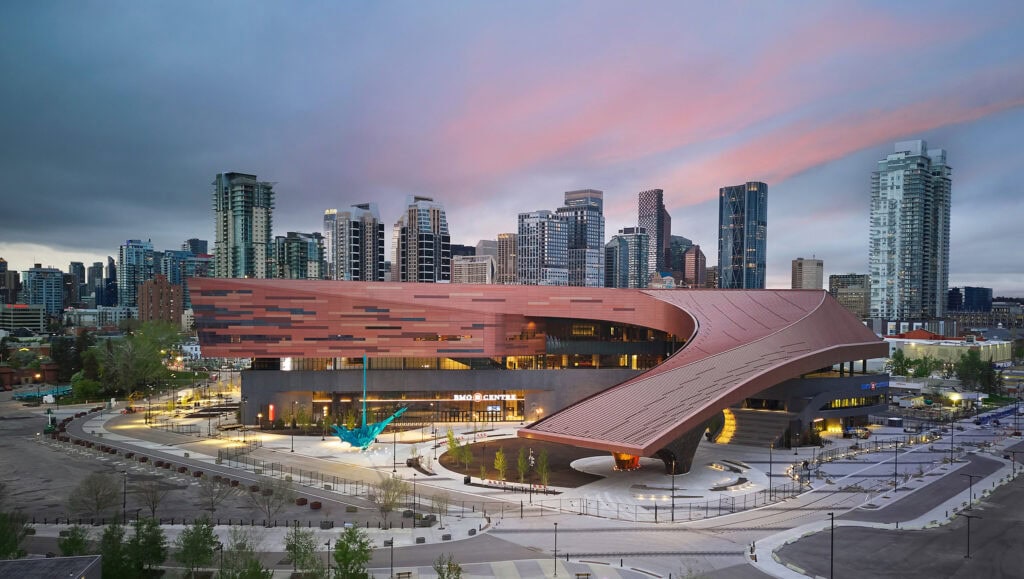
BMO Centre

Featured Work

Environmental Graphic Design Projects

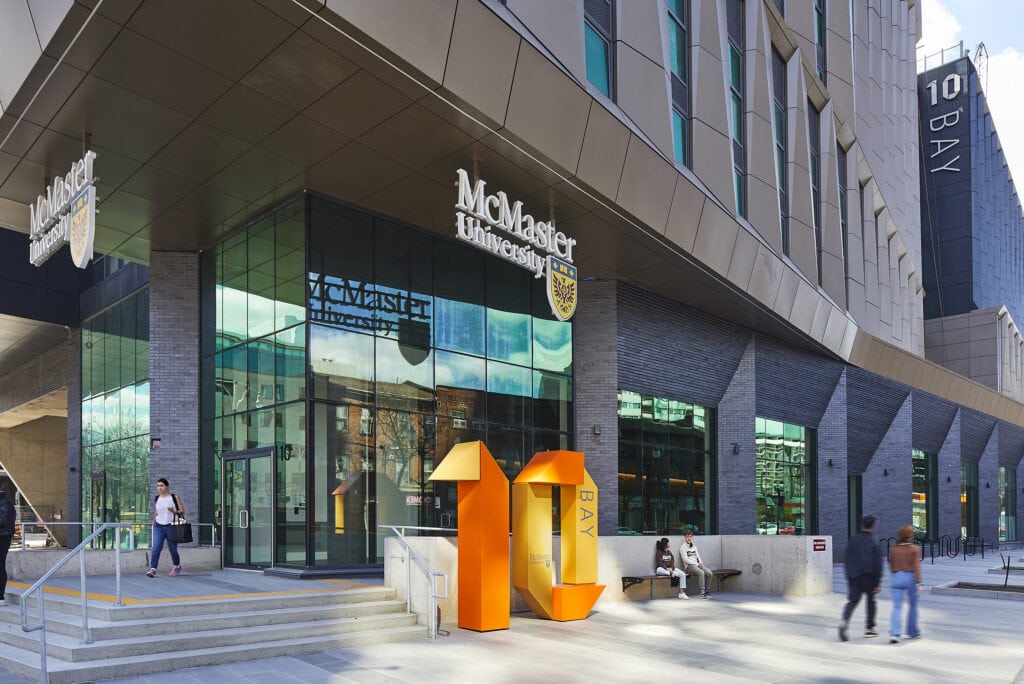
McMaster 10 Bay

Educational

McMaster University 10 Bay Residence

Hamilton, Ontario

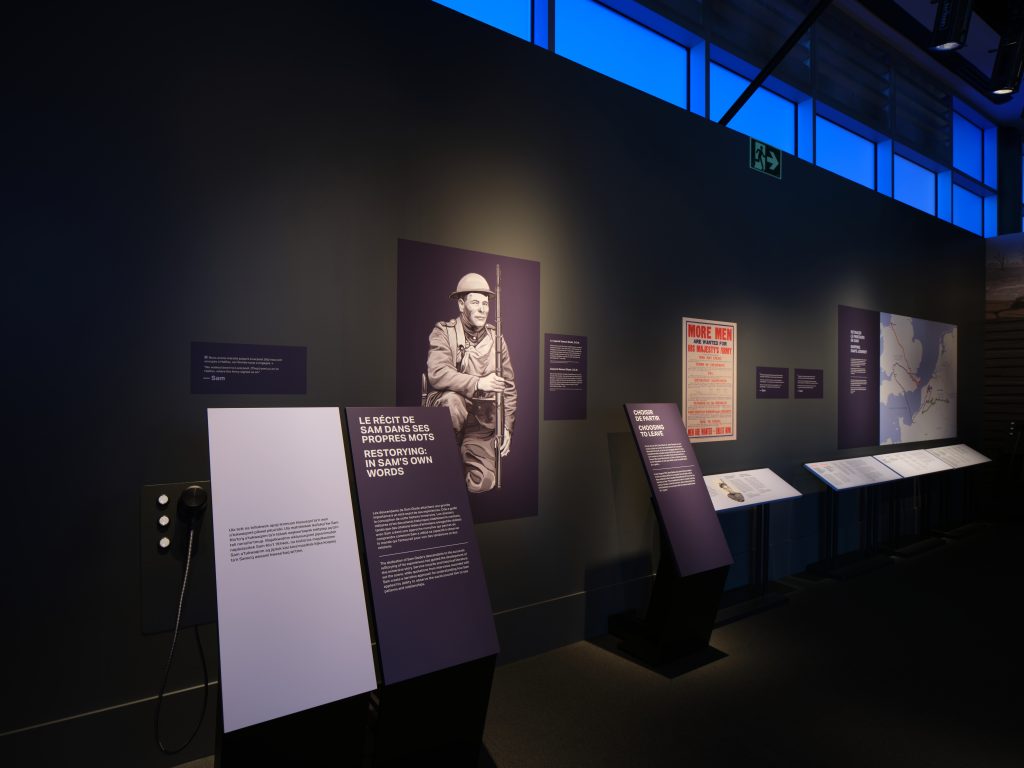
Sam Glode Exhibit, Entro, Canadian Museum of Histor

Cultural, Exhibit

Sam Glode Exhibit

Ottawa, Ontario

Weston Common

Cultural

Weston Common

Toronto, Ontario

How We Design Environmental Graphics

How a signage system comes together, from first survey to final install.

Start Your Project
01

Audit & Site Review

We start in the building: existing conditions, code requirements, the brand, and a walk of the routes people actually take.

02

Message & Location Planning

The message schedule and the location plan: what each sign says and where it goes.

03

Design Development

We design the sign types, typography, and materials and build full-size prototypes of the critical ones to check in place.

04

Documentation & Fabrication

Sign-type drawings, message schedules, and location plans are detailed for fabricating shops.

05

Install & Maintenance

We oversee the install, then hand over the standards and schedules a facilities team needs to keep the system going.

Types of Environmental Graphics

Environmental graphic design covers several graphic systems. Most projects use more than one, designed to a single set of standards.

01

Wayfinding & Signage

Maps, directional signs, and color-coded systems that guide people through large, complex sites where routes are long and a wrong turn is costly.

Directional Signage
Maps & Directories
Colour-Coded Systems
Identification
Amenity Signage
02

Branded Environments

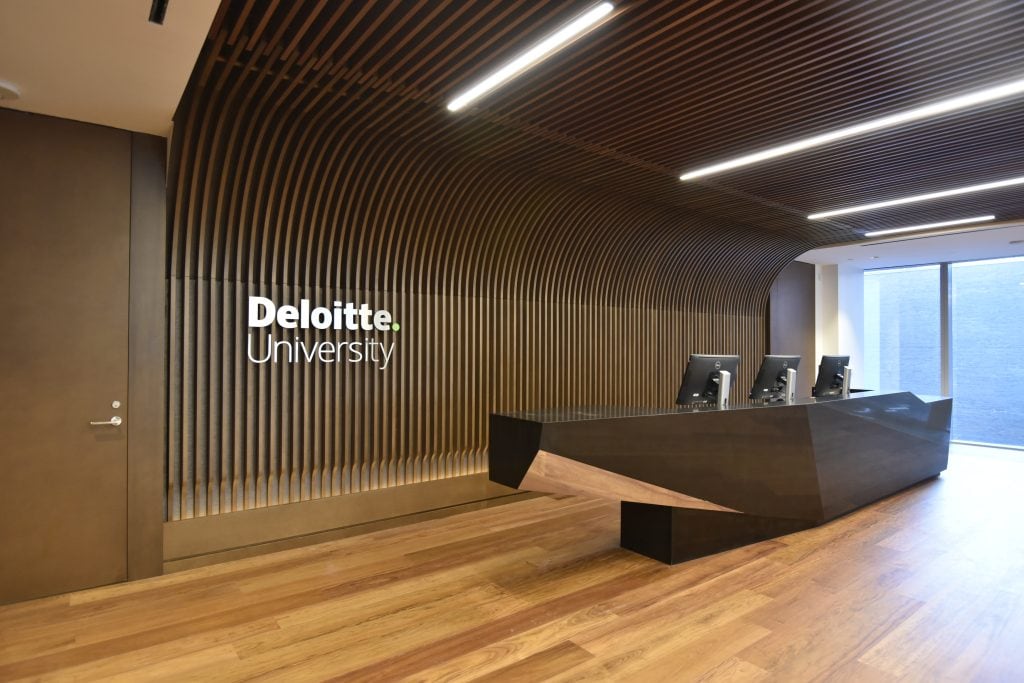
Graphics that make a workspace or store look and feel like the company itself, using murals, logos, and color.

Workplace Branding
Retail Graphics
Identity Walls
Murals & Supergraphics
office wayfinding services
03

Interpretive & Educational

Infographics, timelines, and panels for museums, parks, and exhibits that tell a visual story and teach the public something about a place.

Interpretive Panels
Timelines
Infographics
Exhibit Graphics
04

Interactive Media

Digital displays, VR, and projections that respond to the people using a space.

Digital displays
Projection
VR & AR
Responsive Environments
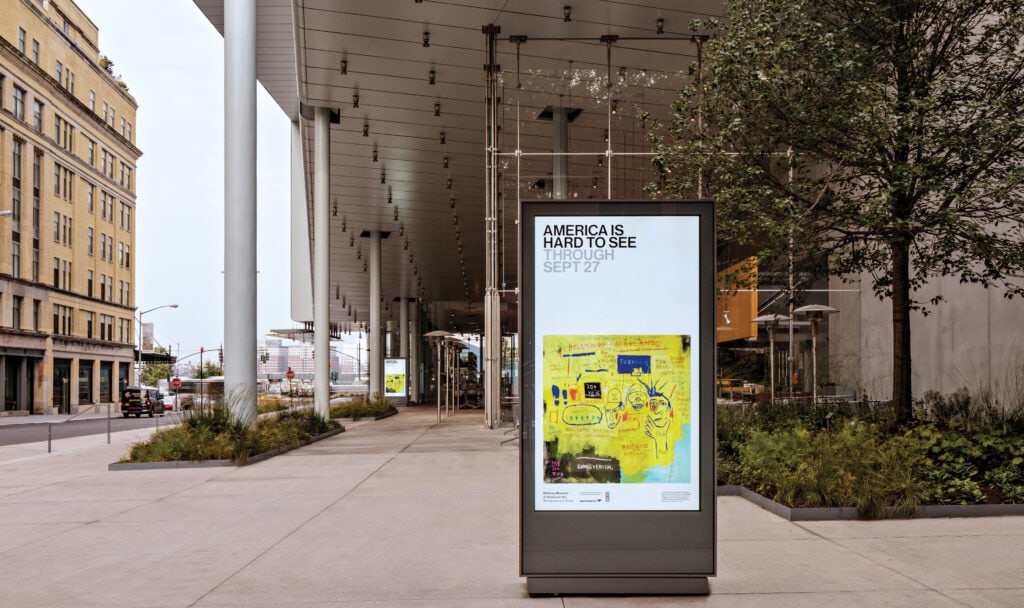
Freestanding digital sign at the Whitney's exterior entrance area.
05

Public Installations & Art

Sculptures, large murals, and temporary displays that give a public place character of its own.

Public Art
Large Murals
Sculpture
Temporary Installations
Australian Museum Carousel

FAQ

Environmental Graphic Design

Everything you need to know about environmental graphic design and our process.

It is the graphic layer of a building: the signs that identify and direct, the wayfinding, the supergraphics, and the identity graphics on its walls, glass, and floors. Its job is to make a building easy to read, and to make clear whose building it is.

They are closely related, and people often use the terms interchangeably. The usual difference is one of depth: environmental graphic design covers how people read and move through a space, its signage, wayfinding, and identity graphics, while experiential graphic design goes further, shaping the whole brand experience of being there.

An environmental graphic designer plans and designs the graphic systems in a building: what each sign says and where it goes, how the typography and materials work, how the system meets accessibility codes, and how it is documented for the shops that fabricate it. The role sits between graphic design and architecture.

Signage is a large part of it, not all of it. The field also takes in supergraphics and identity graphics, while signage design refers mainly to the sign systems on their own.

We design accessibility in from the start. We set tactile copy, Braille, contrast ratios, character sizes, and mounting heights to meet or exceed ADA, AODA, and local building codes from the first concept, rather than correcting them at the end.

A single-building signage system runs roughly four to nine months from audit to install. A campus or multi-site program runs longer, delivered in phases tied to the construction schedule.

Let's Work Together

Ready to Begin?

Create a signage and environmental graphics system that makes a building clear, consistent, and on-brand.

Free initial consultation
Response within 24 hours
No obligation