About This Service

Designing Navigation For Places of Meaning

Attention is the currency in non-linear museums. Galleries are located next to donor areas, learning spaces, and archives. Wayfinding must orient without detracting from the artwork that is on exhibit. It must be equally clear and respectful to a family, a researcher, and a first-time visitor.

To incorporate wayfinding into the curatorial voice, we rely on exhibition design, interpretive strategy, and donor recognition. To balance signage with spatial rhythm and materiality, we work closely with architects and curators early on. One capability we use is modular systems that integrate with changing exhibitions.

When it works, the visit feels curated rather than catalogued. Visitors find the galleries they seek, encounter unexpected collections, and locate amenities without stopping to ask. The experience is calm, clear, and connective — invitation, orientation, and discovery in equal measure.
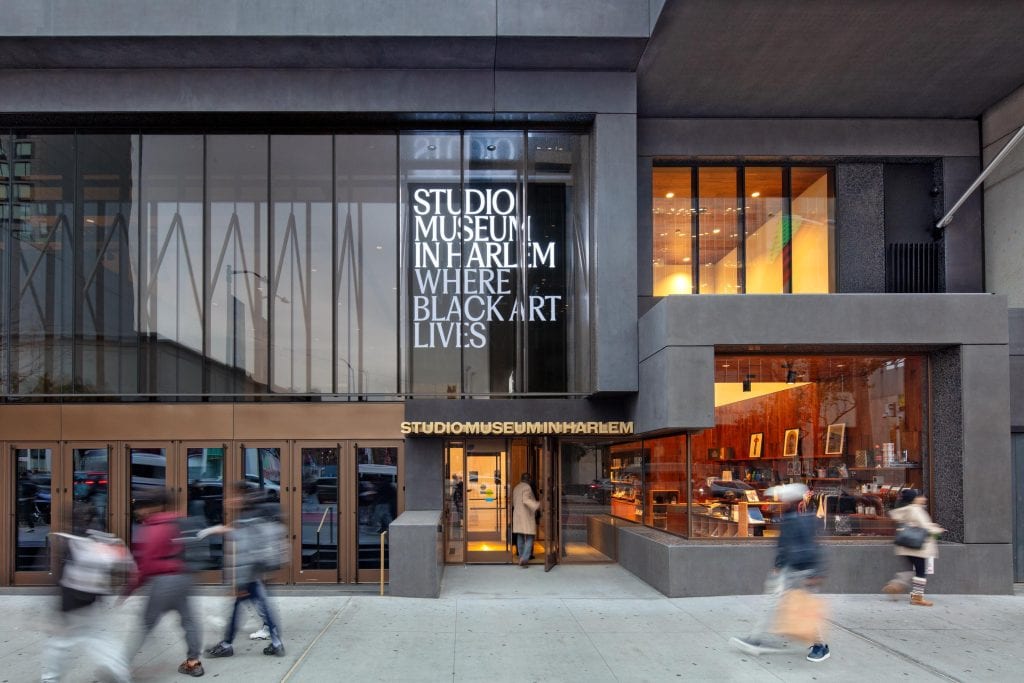
Studio Museum in Harlem

Featured Work

Museum Wayfinding Projects

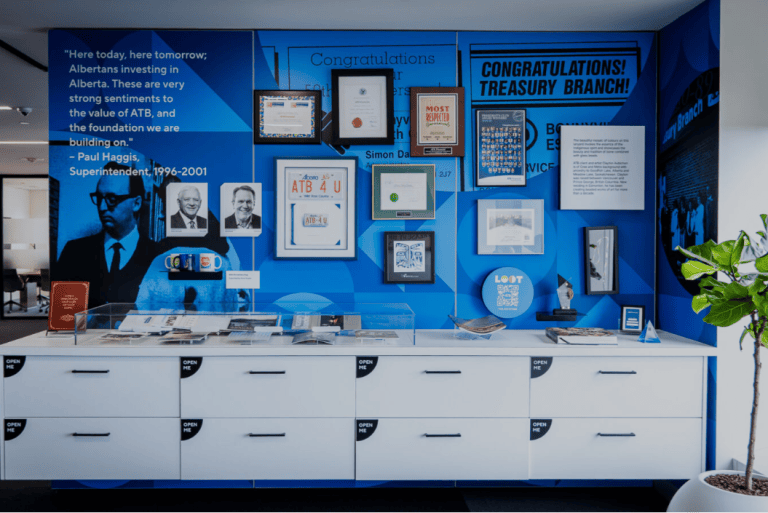
ATB Museum

Museum

ATB Museum

Heritage storytelling exhibition design

Australian Museum

Museum

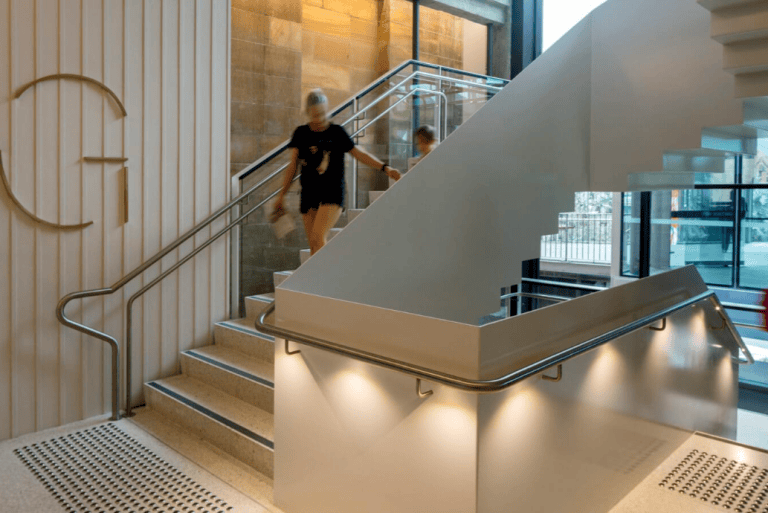
Australian Museum

Heritage-integrated accessible wayfinding

Royal Ontario Museum (ROM)

Museum

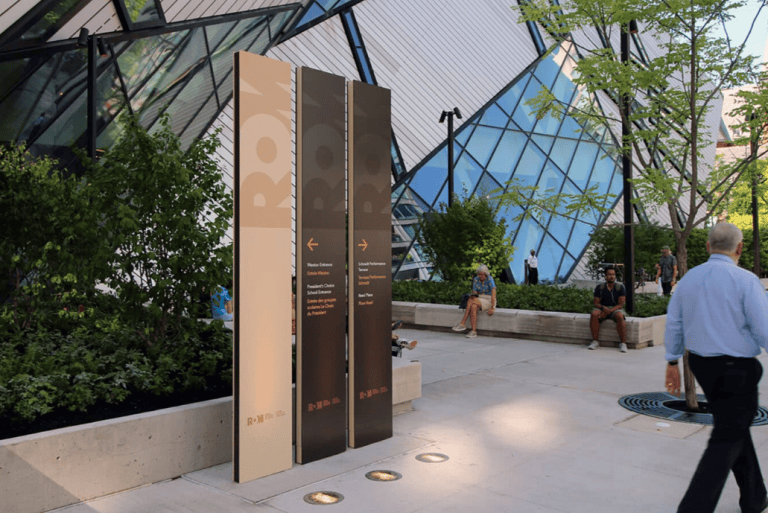
Royal Ontario Museum (ROM)

Bilingual donor identity signage

Coca Cola Wayfinding

Museum

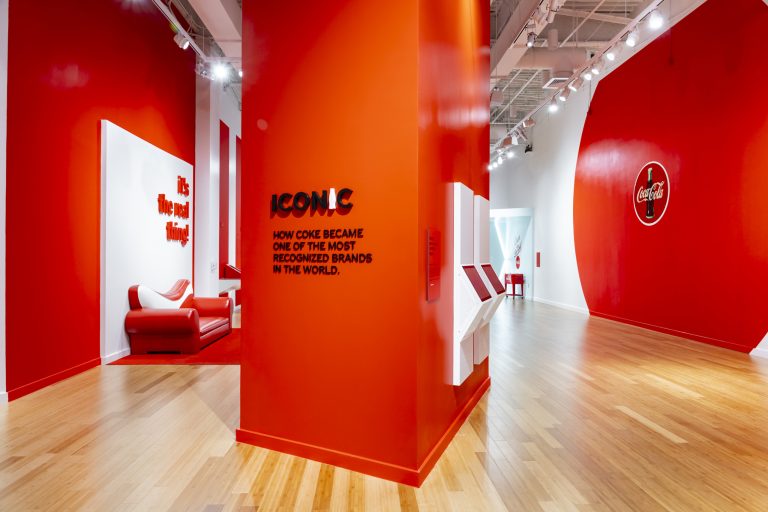
World of Coca-Cola's ICONS Exhibit

Immersive branded exhibition design

Exterior Signage

Museum

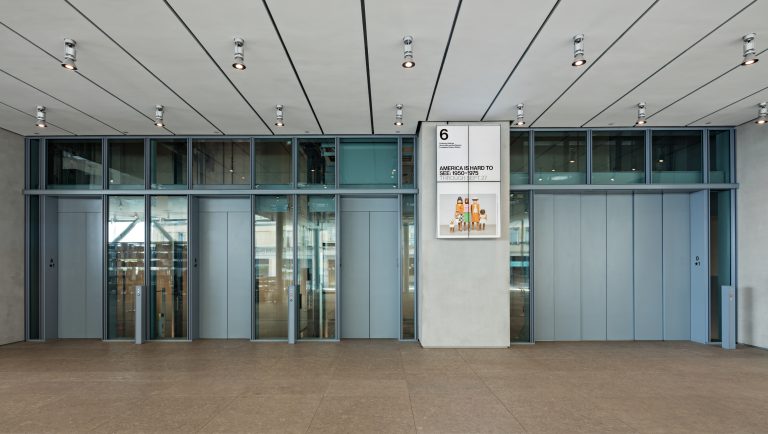
Whitney Museum of American Art

Monochromatic art-focused wayfinding

Studio Museum

Museum

Studio Museum in Harlem

Brand-integrated digital wayfinding

Entro

Museum wayfinding guides visitors through exhibits and galleries, supporting both exploration and storytelling. It integrates with exhibit design to support appropriate pause.

Need wayfinding for museums? Let's talk.

Signage Solutions

Types of Museum Wayfinding Signage

Museum signage must serve navigation, interpretation, and institutional identity simultaneously, clearly, considerately, and respectfully of the visitor’s attention.

01

Lobby & orientation signage

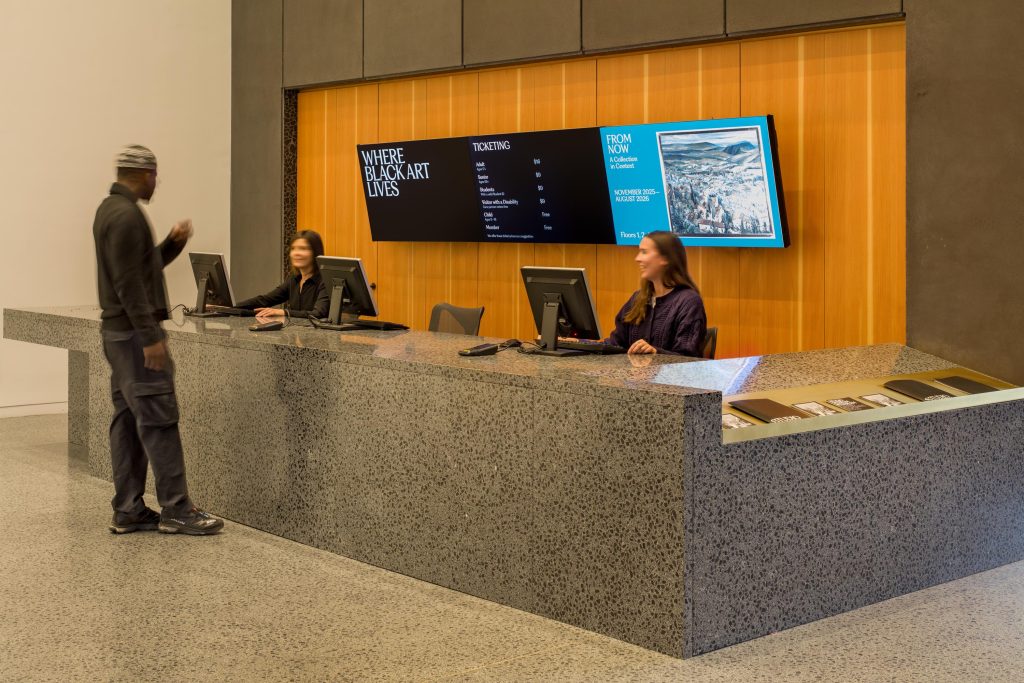
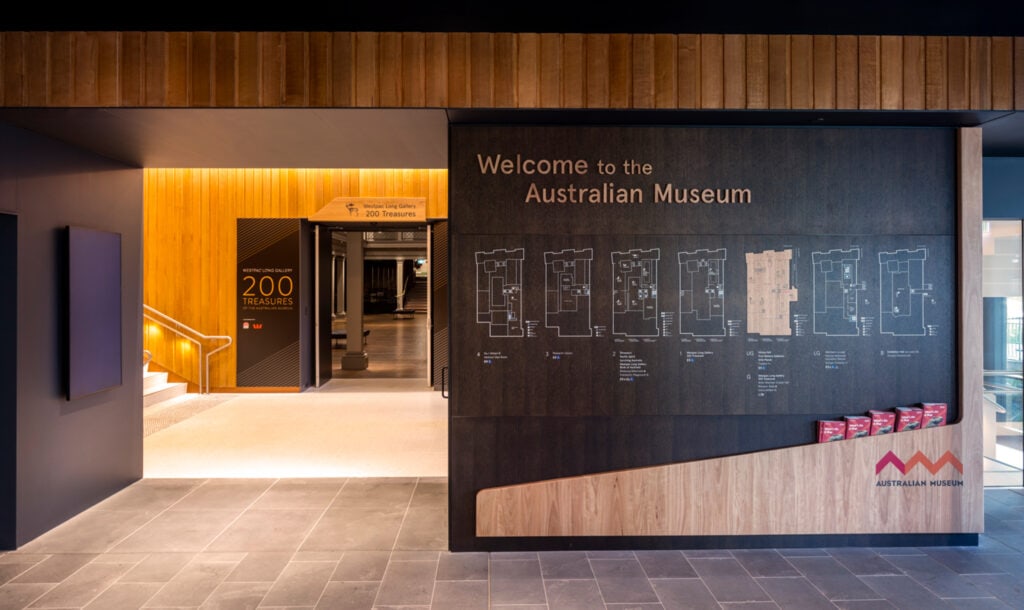
The first thing a visitor does when visiting a museum is enter the lobby. Building maps, admission desks, and welcoming panels provide information about each floor and set clear expectations. To ensure that visitors arrive informed and prepared to participate, effective orientation signage communicates the day's exhibitions, how to find the permanent collections, and the locations of amenities.

Visitor Information
Building Maps
Admission Signage
Studio Museum in Harlem
02

Gallery & exhibition signage

Gallery signage determines exhibitions, names, rooms, and creates chronological or thematic sequences. To avoid competing with the artwork, this signage must be both visually restrained and readable at the appropriate scale. Visitors should quickly orient themselves and refocus on the objects in view thanks to thoughtful typography and placement.

Gallery Identification
Exhibition Titles
Collection Markers
Exhibition Signage
03

Interpretive & label signage

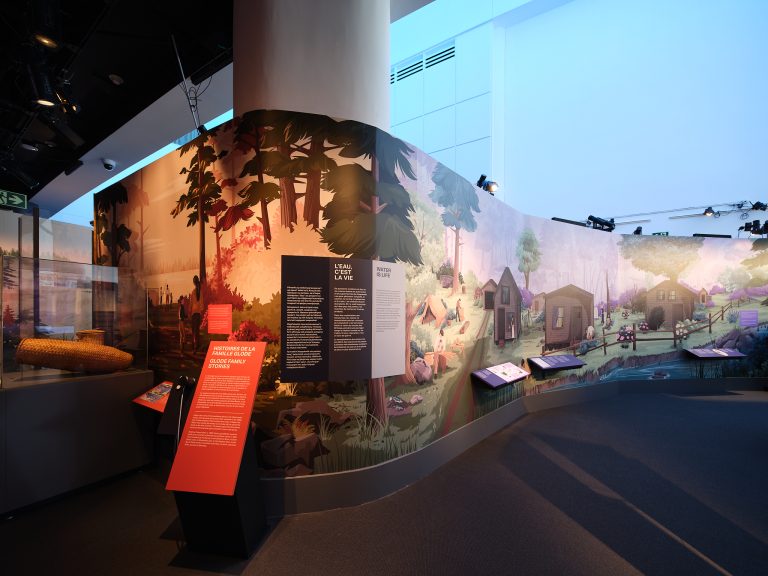
Contextual panels, wall texts, and object labels provide visitors with the vocabulary to understand what they see. Interpretive design balances the title, artist, medium, and narrative to ensure that the museum's voice is readable and consistent in gallery light. Effective labels improve the visual experience without detracting from it.

Object Labels
Wall Texts
Contextual Panels
Interpretive Signage
04

Directional & floor signage

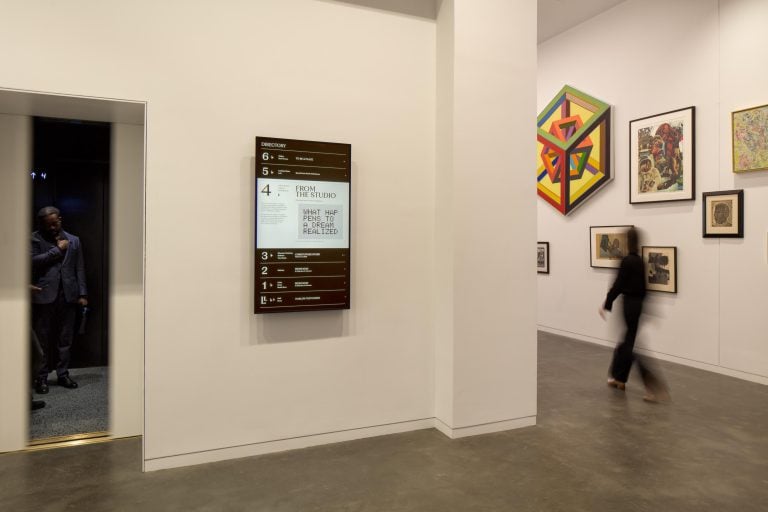
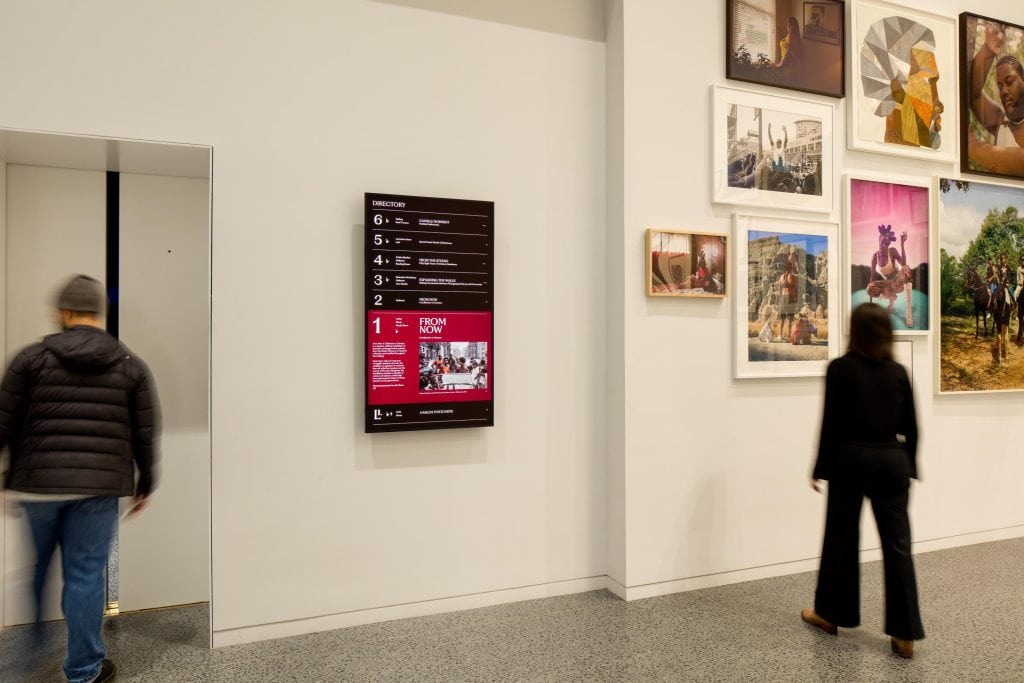
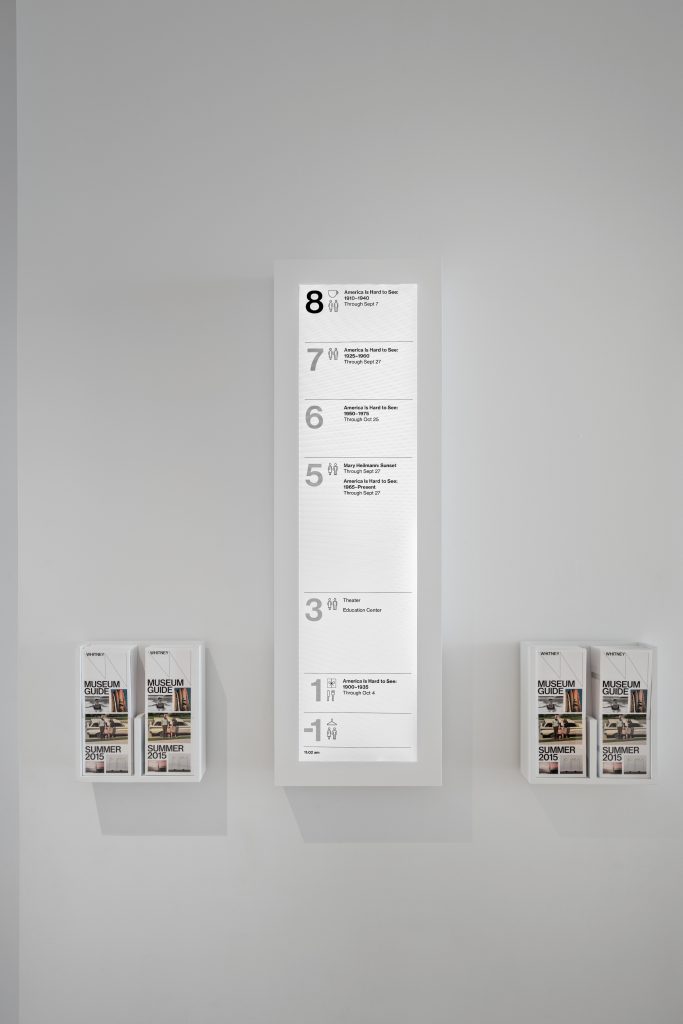
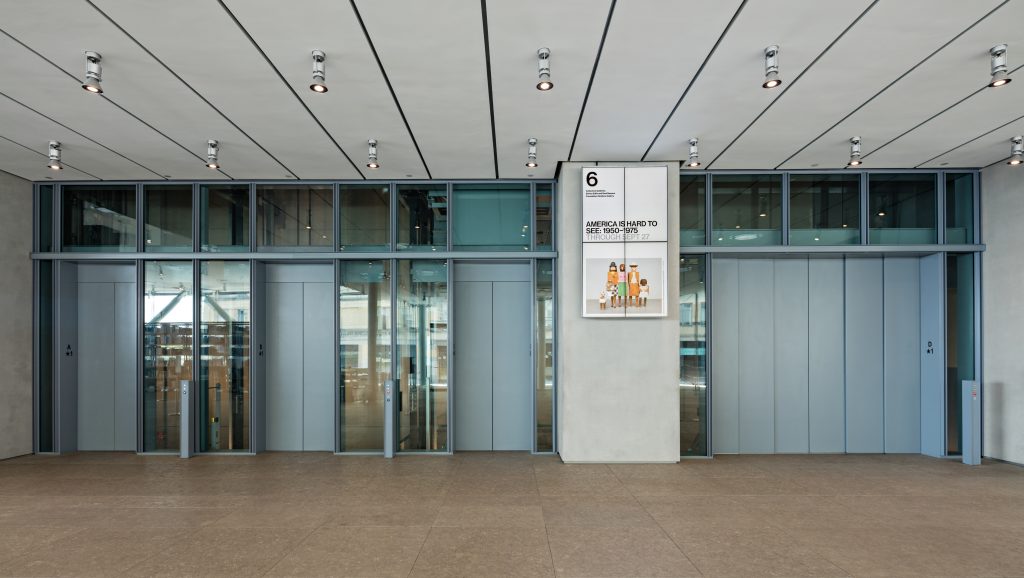
Stairwells, elevators, and floor directories help people move around in complicated plans. Directional signs need to take into account additions, mezzanines, and historic wings so that visitors never feel lost between the old and the new. We put wayfinding at every decision point so that transitions are clear and planned.

Floor Identification
Wing Markers
Elevator Directories
Floor Signage
05

Amenity & visitor services signage

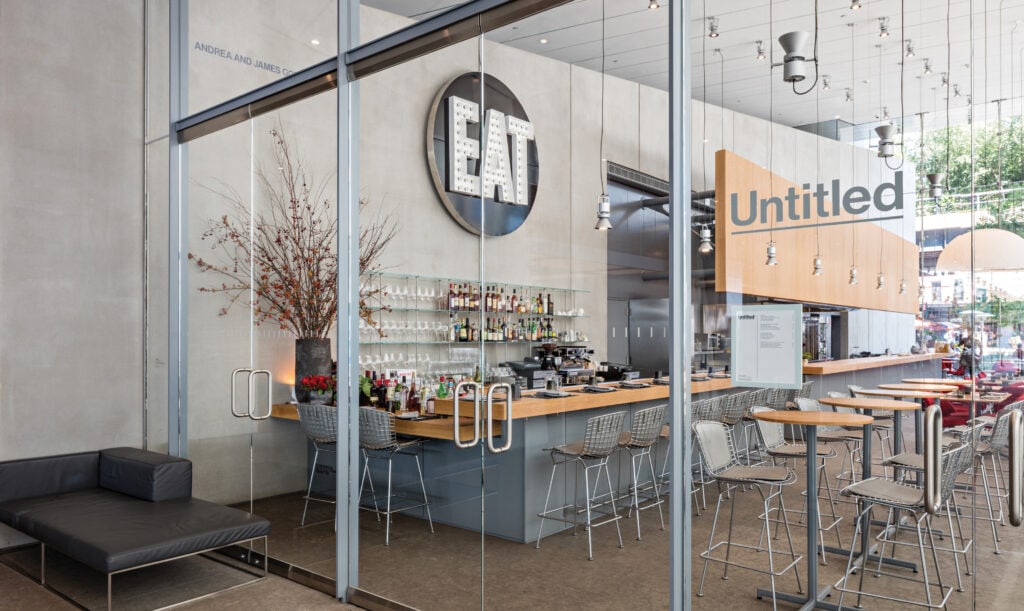
You need to be able to find cafés, shops, restrooms, and classrooms without ruining the visit. Signage for amenities helps visitors feel comfortable and helps the museum reach its business and educational goals. Clear, consistent signs keep things moving and make people more interested in programs and services.

Café & Gift Shop
Restrooms
Education Spaces
silver vinyl on glass for restaurant name, which is "untitled"
06

Exterior & campus signage

Campus maps, sculpture gardens, and entrances all aid in the understanding of how buildings fit into the larger scheme of things. Outside signs establish the institution's tone even before guests enter. Additionally, they link parking, transit hubs, and satellite locations into a single, user-friendly path throughout the entire campus.

Building Identification
Sculpture Garden
Campus Wayfinding
Exterior Signage

FAQ

Museum Wayfinding Signage & Design

Common questions about wayfinding design for museums and cultural institutions.

Museums are big, complex buildings full of things you should see. Visitors miss galleries, get lost, and leave earlier than they had planned due to poor wayfinding. Good signs help people plan their visit, find things that interest them easily, and stay longer.

We design with restraint in mind, using muted colors, carefully chosen materials, and careful placement. This helps to see the signs when needed and be quiet when people are busy. Signs help the experience instead of taking away from it by using typography, scale, and daylighting to make decisions.

From the beginning, we plan for change. Galleries can quickly update their displays with modular sign systems, plug-and-play panels, and digital directories. The goal is to have a consistent visual grammar that can handle changing content without having to make temporary signs.

Yes. The way a visitor gets to a place affects how they understand it. We work closely with curators and exhibition teams to turn curatorial goals into sequence maps and signs that connect themes and speed up discovery.

Being able to get to things is seen as belonging. We have multilingual panels, accessible route signs, high contrast graphics, braille and tactile surfaces, and seating indicators. Every visitor should be able to view the collection independently and with dignity.

The size and complexity of the building affect the timelines. Designing a typical program takes between four and ten months. Please check with our project team to see if the timelines are correct for projects with heritage restrictions or large exhibition systems.

When the materials, hierarchy, and location strategy align with wayfinding, donor recognition can proceed smoothly. We create recognition elements, such as integrated donor walls and subtle naming panels, to honor contributors without interfering with circulation.

Let's Work Together

Ready to Shape Your Museum Experience?

Design wayfinding that deepens visitor engagement, clarifies institutional identity, and guides people toward discovery, dignity, and belonging within a building that feels considered and accessible.

Free consultation
24hr response
No obligation