About This Service

Designing Mixed-Use Wayfinding That Brings Coherence to Complexity

Mixed-use wayfinding is considered a challenging part of experiential design. Office towers, residential floors, underground parking, and a transit connection may all share lobbies, elevators, and routes for circulation within a single development. Every user group has different expectations, familiarity levels, and destinations in mind when they visit the area. The system should serve all these people at once.

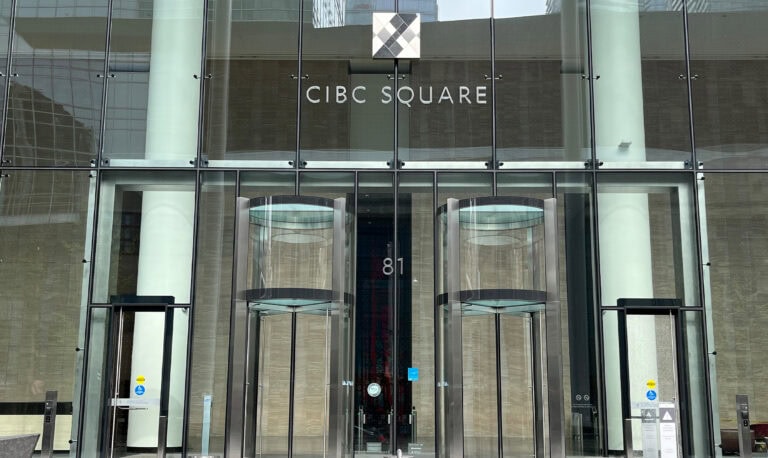
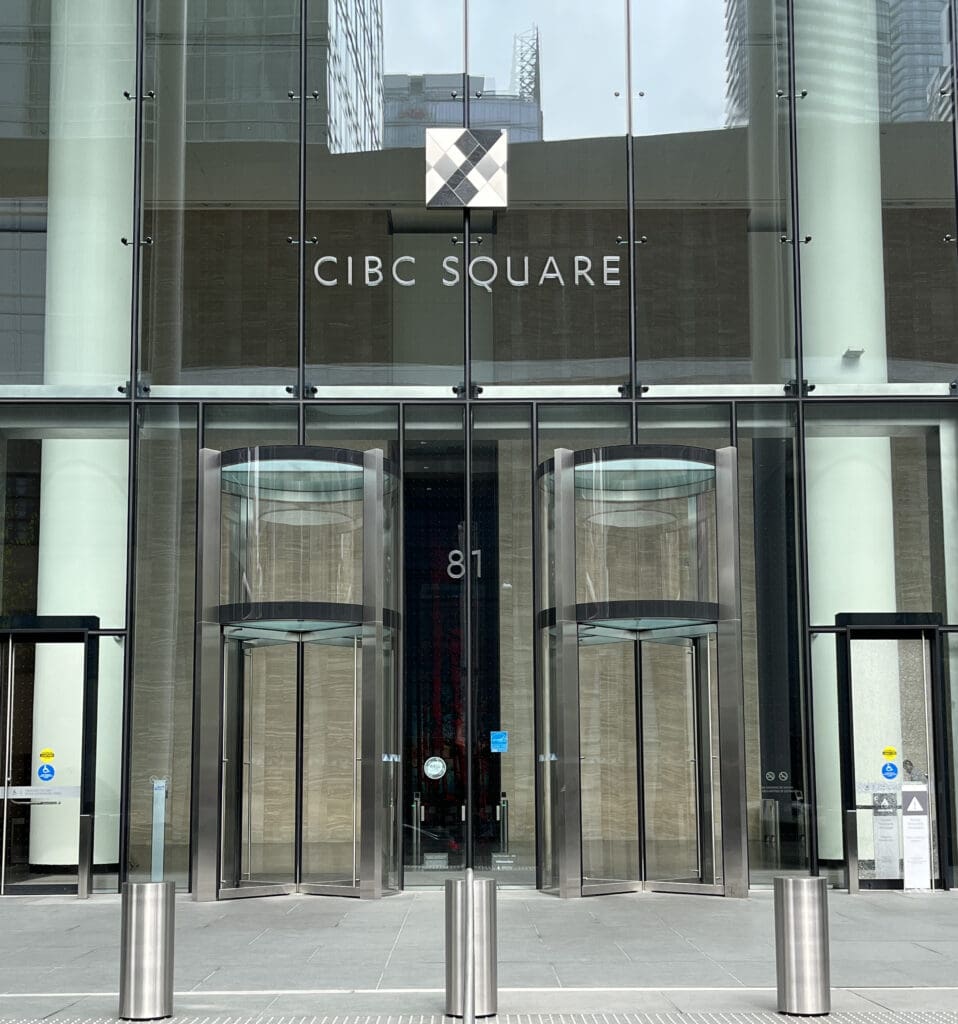
Our experience in wayfinding for workplaces, stores, public transportation, homes, and public spaces helps with each project. This is because mixed-use developments need a company that already knows how to do all of these things, not just one. We have designed the wayfinding system for CIBC Square, a two-tower, three-million-square-foot development that houses the GO Transit downtown bus terminal, as well as pedestrian bridges to Union Station and Scotiabank Arena, and a one-acre elevated park. We have integrated all these components into one system.

When mixed-use wayfinding works, the development becomes one place with many use cases. People working in offices can reach their floors without going through crowds of shoppers. Residents can reach the lobby without going through the business reception. People can find the public park without accidentally walking into a service corridor. The complexity is still there, but it is invisible.
Calgary

Featured Work

Mixed-Use Wayfinding Signage & Design Projects

CIBC Square

Mixed-Use

CIBC SQUARE

Transit-integrated mixed-use wayfinding

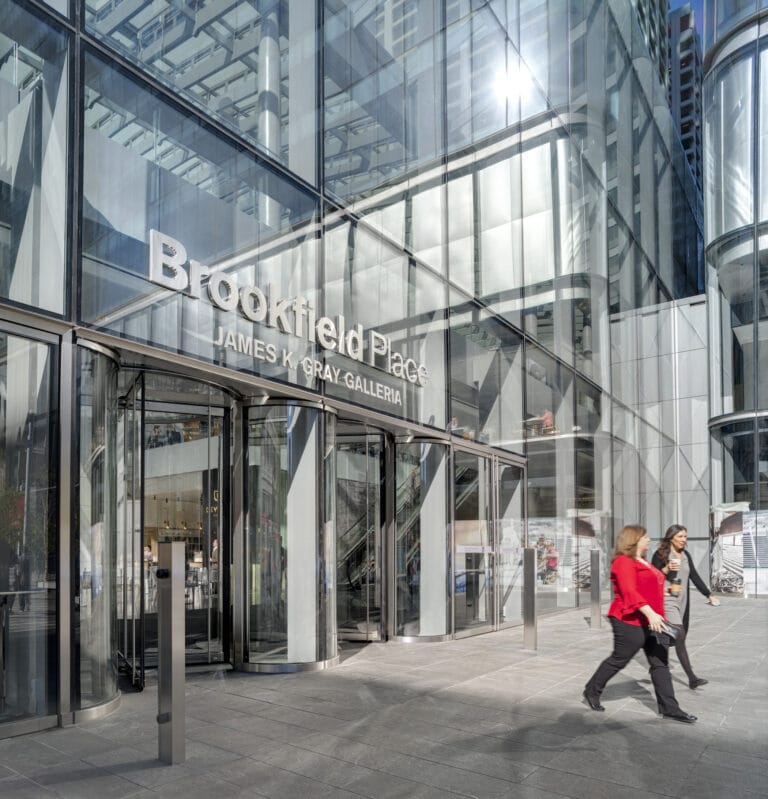
Brookfield Place

Mixed-Use

Brookfield Place

Underground parkade luminescent signage

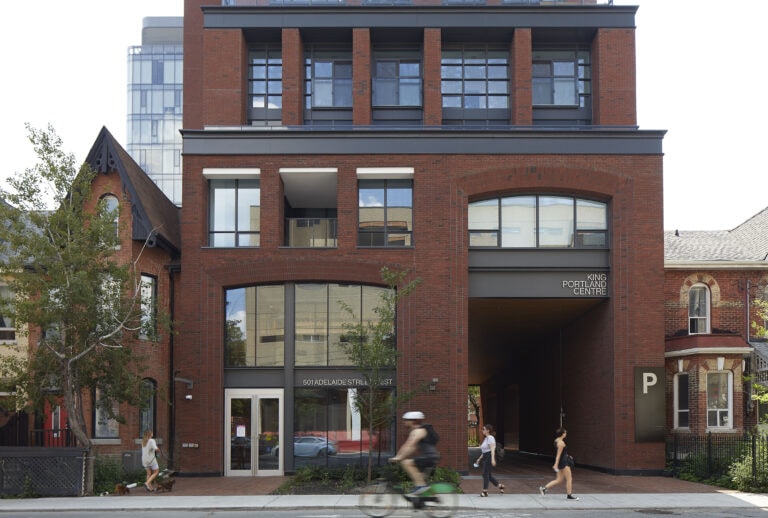
King Portland

Mixed-Use

King Portland Centre

Victorian-inspired mixed-use signage

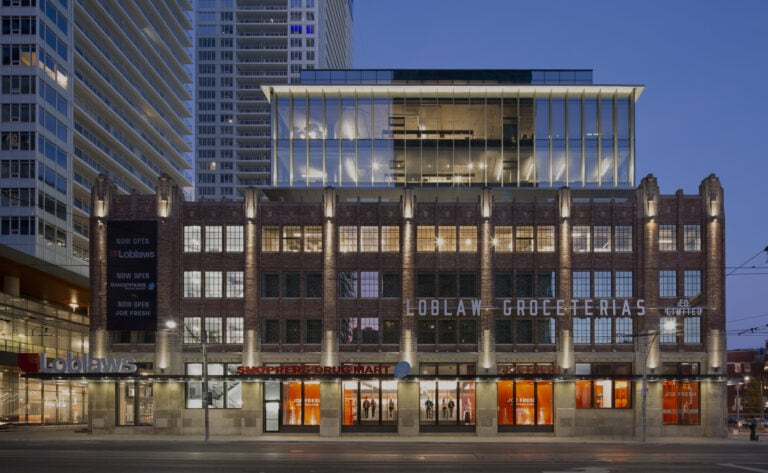
Westblock Base Building

Mixed-Use

West Block, Toronto

Heritage bronze signage restoration

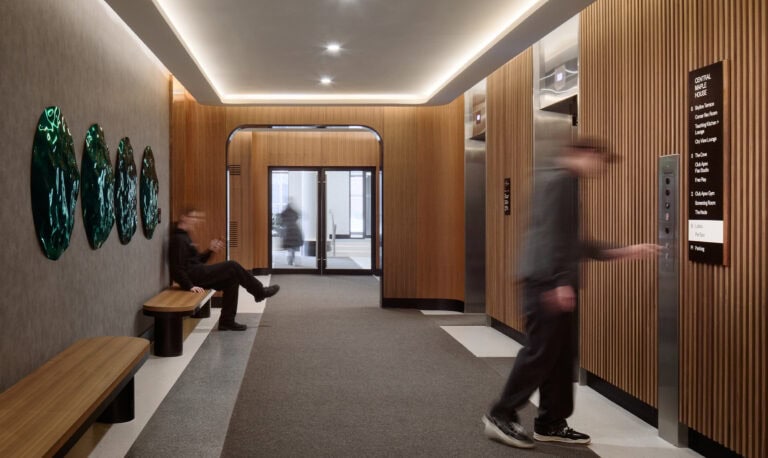
Maple House

Mixed-Use

Maple House at Canary Landing

Heritage-inspired residential community signage

Ice District

Mixed-Use

Edmonton’s ICE District

Unified mixed-use district wayfinding

Entro

Mixed-Use wayfinding enhances the experience by guiding residents, visitors, and businesses through diverse spaces, ensuring easy navigation between residential, commercial, and recreational areas.

Cheryl Redman

Capital Projects Manager, Parks Canada

Need mixed-use wayfinding signage? Let's talk.

Signage Solutions

Types of Mixed-Use Wayfinding Signage

Mixed-use wayfinding is a hierarchical system that guides multiple user groups; residents, workers, shoppers, and transit riders through a development where programs, infrastructure, and circulation paths are shared.

01

Lobby & Ground-Level Signage

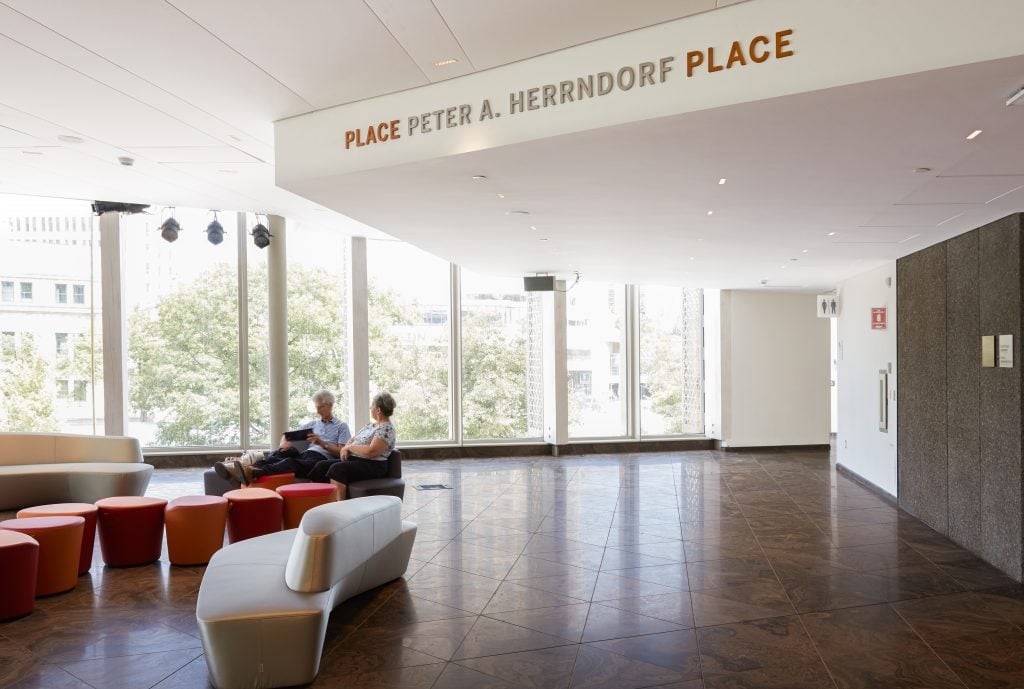
The ground floor is where every user group in a mixed-use development converges at once. Office workers head toward elevator banks. Residents move through their dedicated lobby entrance. Shoppers orient to the retail podium. People passing through on their way to the street. Signage in the lobby must guide visitors immediately: building directories, entry signage for residents, retail directional signage, and tenant signage, all coworking without competing visually. The ground floor establishes the tone for everything above and below, and if it gets that right, then the rest of the journey follows suit.

Building Directories
Residential Lobbies
Retail Orientation
Amenity Signage
02

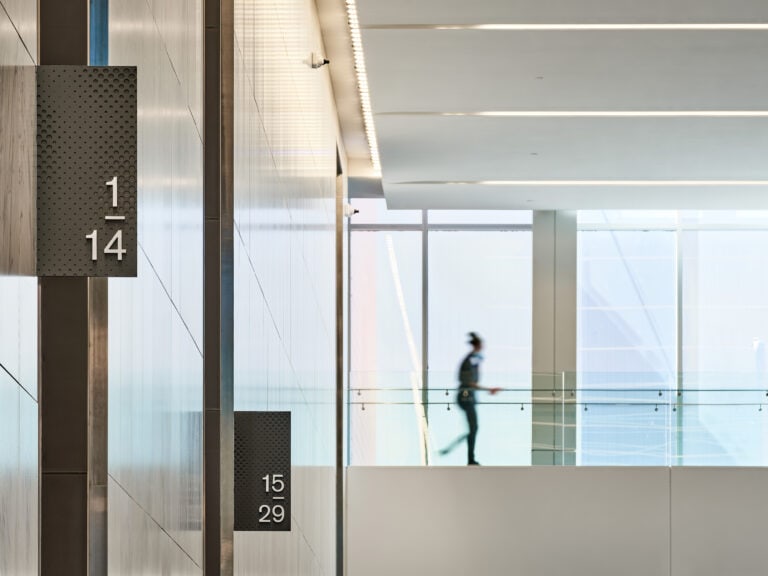
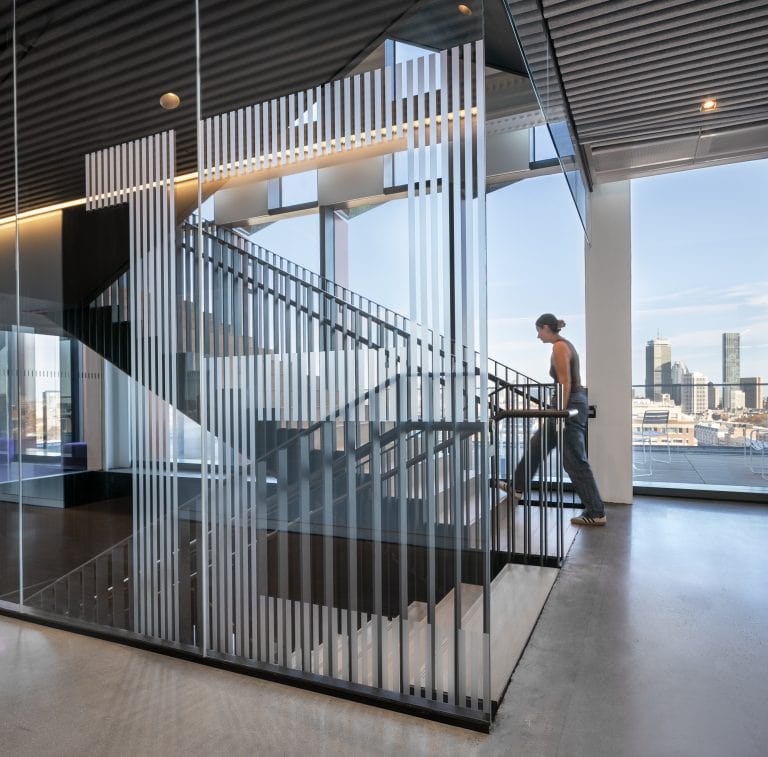
Vertical Circulation Signage

Elevators and stairwells serve multiple programs across multiple floors. Some levels are office, some residential, some amenity, some parking. Vertical circulation signage must communicate which floors belong to which program and which elevator banks serve which destinations, before the user has committed to a direction. In developments with separate residential and commercial elevator cores, this layer of signage is what prevents the most common navigation failure: arriving on the wrong floor for the wrong program. Clear program separation at every lift lobby is the detail that makes the whole system work.

Elevator Identification
Floor Directories
Program Separation
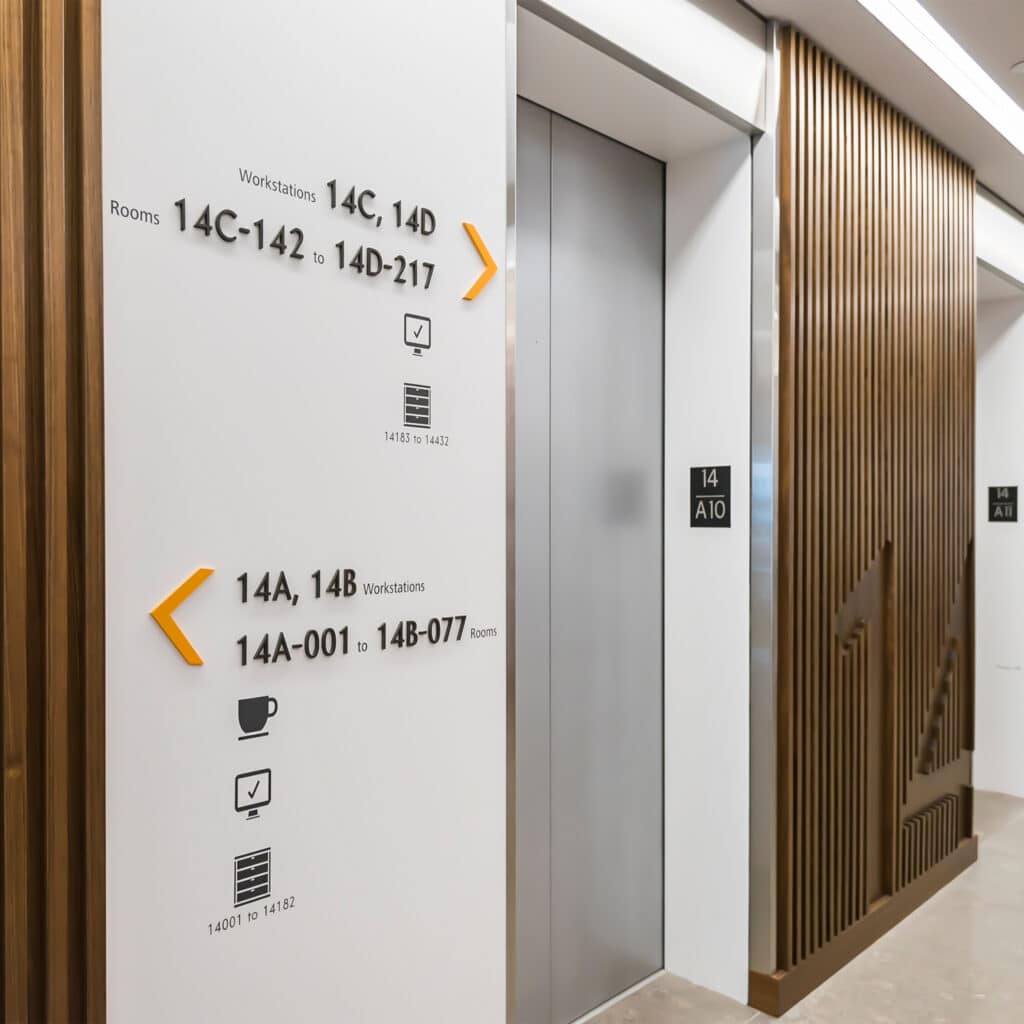
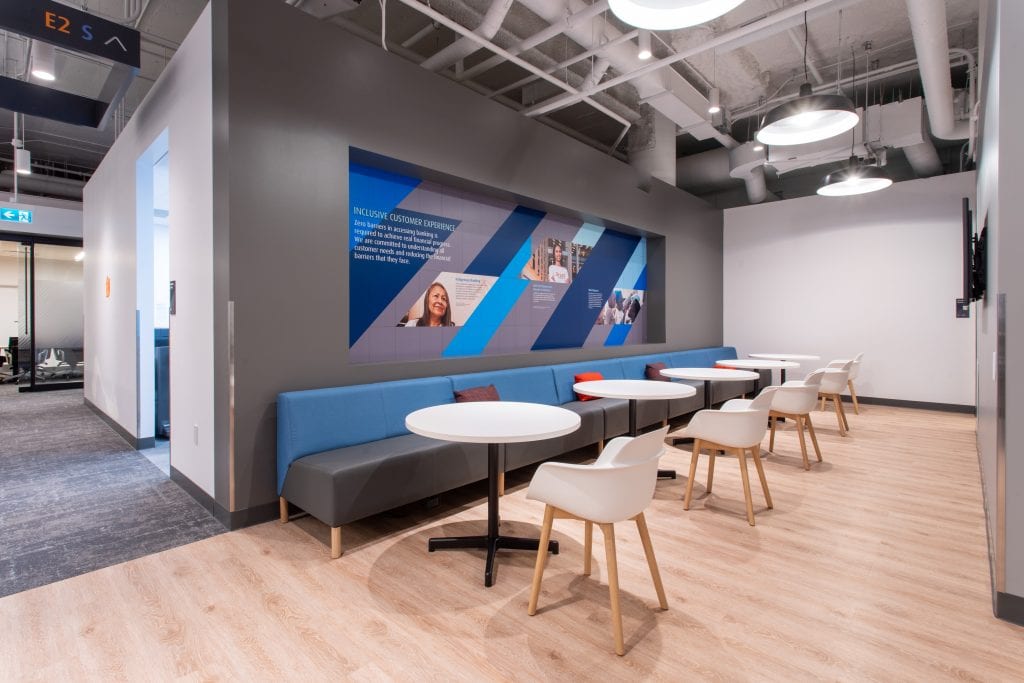
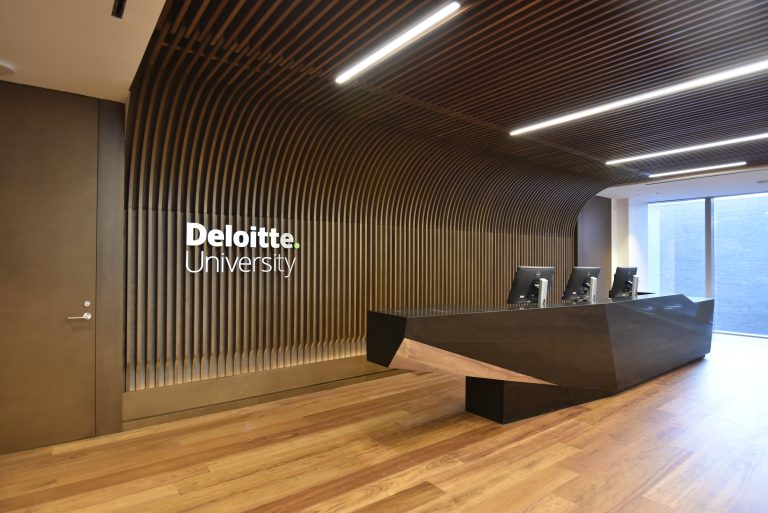
Deloitte elevator lobby featuring dimensional wayfinding directional signage and millwork integrated with wayfinding level indictor (colour-coded with a white wall).
03

Retail & Commercial Signage

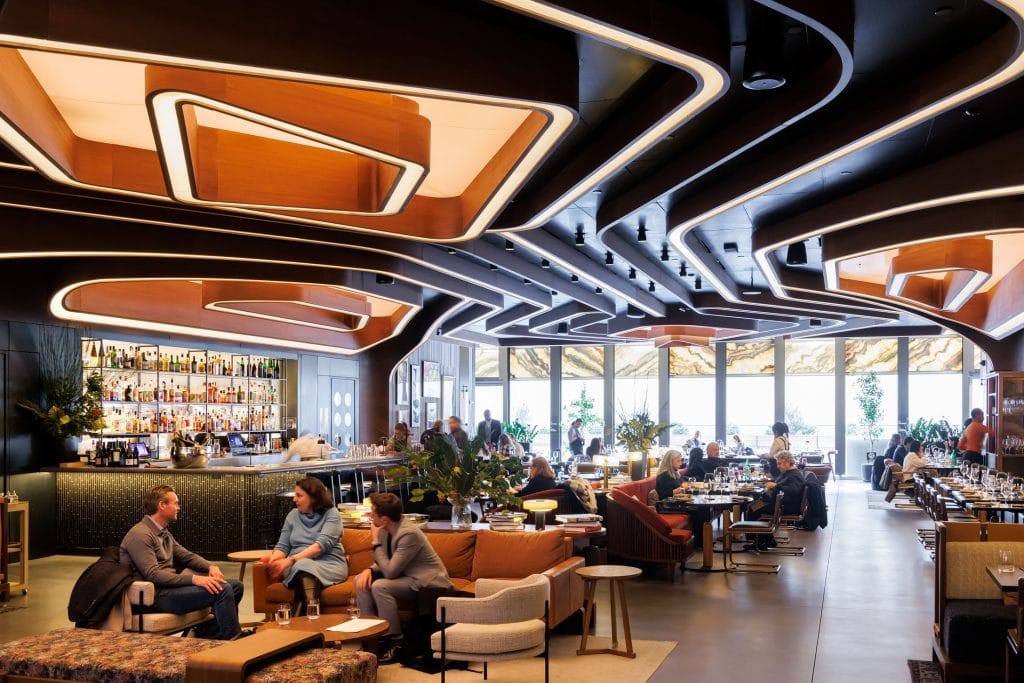
The retail wayfinding system helps guide people through the commercial spaces, the dining options, and the amenity spaces on the podium levels. The challenge is as much one of tone as of clarity, and the retail signage must be clear and appealing to a passing pedestrian while also being consistent with the wayfinding system for the floors above. It must be consistent with the office, the residential entrance, different in character, unified in language.

Retail Directories
Food & Beverage
Tenant Identification
Perelman
04

Residential & Amenity Signage

Residents experience a mixed-use development differently from every other user group. They return to it every day. It is home for them. Residential wayfinding needs to incorporate a sense of home through entrance identification, floor identification, and fitness, lounge, mail room, and co-working areas that feel warm and not institutional in nature. Wayfinding for visitors presents a problem in terms of how to direct a visitor from the street to a residential location within a large residential complex, through the correct entrance, and onto the correct floors, avoiding confusion and exposure to commercial circulation patterns.

Residential Entrances
Unit Identification
Amenity Signage
Lobby Signage
05

Transit & Public Realm Signage

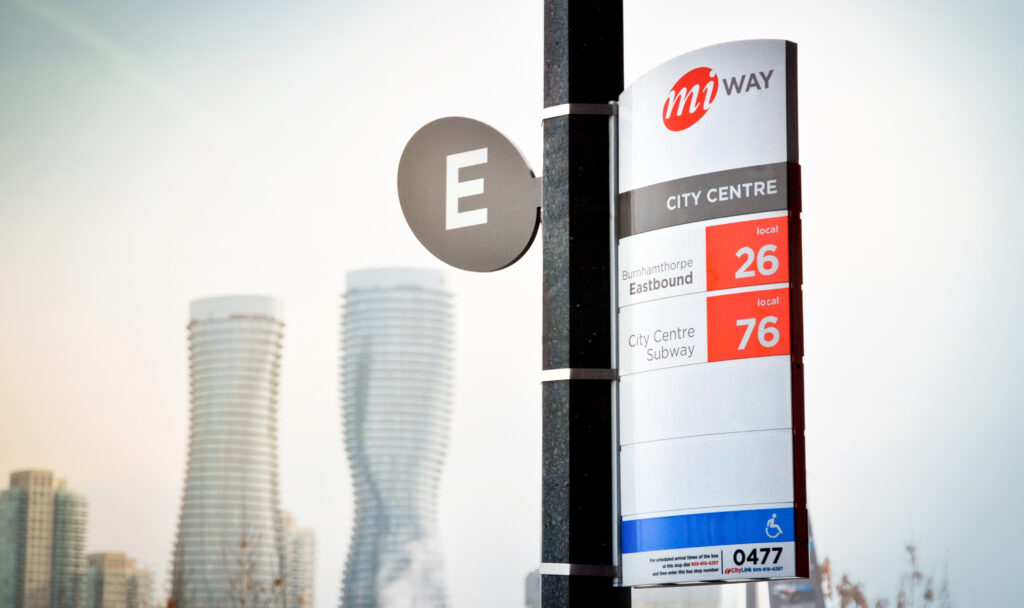
When a mixed-use development includes transit infrastructure, mixed-use wayfinding must connect the public and private areas without any problems. There are pedestrian bridges at CIBC Square that connect two towers to Union Station and Scotiabank Arena. The project also includes GO Transit's downtown bus terminal, so people who use public transportation, work, or go to events all share the same space. Transit and public space signs must show riders how to get from the platform to the development and back to the street without any gaps in the directions. The change from public infrastructure to private buildings should be seamless.

Transit Connections
Pedestrian Bridges
Public Realm Wayfinding
Transit Wayfinding
06

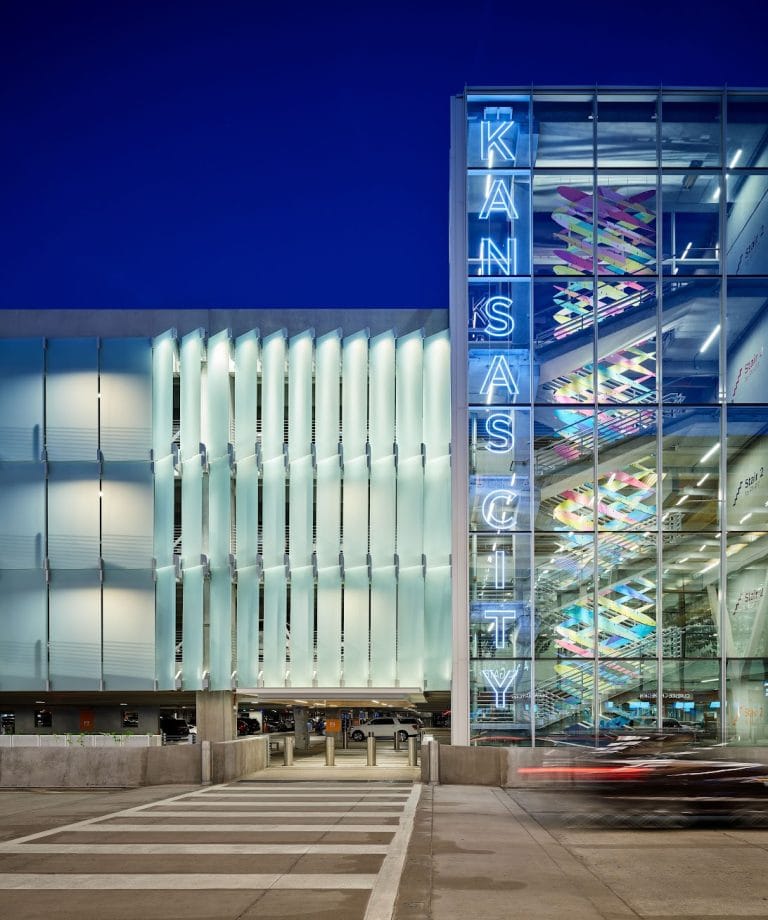
Parking & Below-Grade Signage

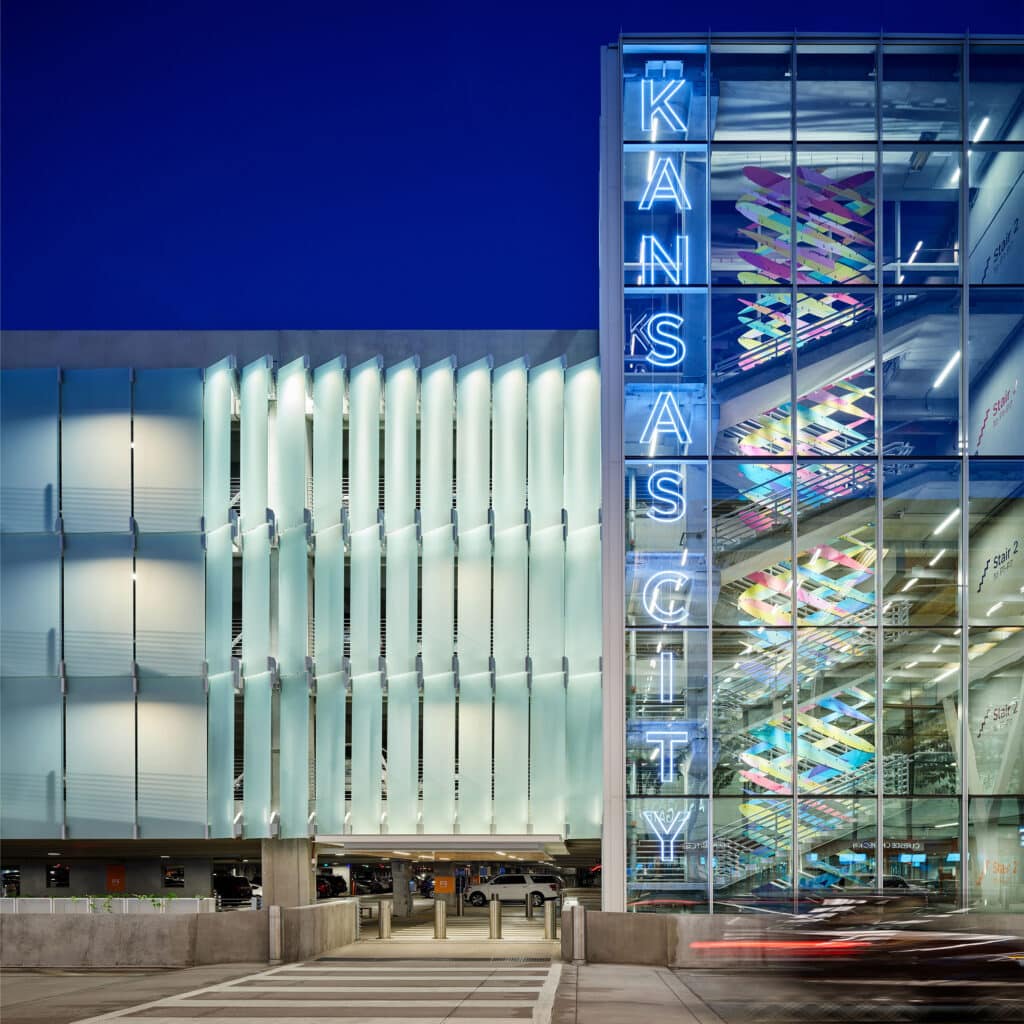
Underground parking for a mixed-use development is rarely designed for only one of these functions, so office parking, residential parking, visitor parking, and retail customer parking can all be in the same space, sometimes with different entry points, elevator systems, and payment systems. Parking signs must clearly identify all of these differences immediately upon entering the parking area, so the resident does not park in the commercial visitor parking area, and the first-time customer can follow the correct path to the retail area. The transition from the street, through the parking garage, and into the building is where the complexity of mixed-use wayfinding is fully realized, where the value of a well-designed system is fully appreciated.

Parking Zones
Program-Specific Access
Pedestrian Connections
KCI Parking

FAQ

Mixed-Use Wayfinding Signage & Design

Common questions about mixed-use wayfinding design for multi-program developments.

A single-use building has a single primary user group with a single set of destinations and a single set of circulation patterns. Mixed-use wayfinding should serve the office workers, residents, shoppers, public transportation drivers, hotel guests, and visitors. They all use the same lobbies, elevators, and routes, but with different requirements and familiarity with the building. So, it should establish a unified navigational hierarchy across all programs at once, without compromising the system's effectiveness for one group of people at the expense of another.

Program distinction in mixed-use wayfinding occurs through visual hierarchy, signage placement, material language, and placement of key decisions, not physical walls separating the programs. The lobby of a residential program is distinguished from the lobby of a commercial program through the nature of the signage, not the architecture. Each program’s users are guided to their destination intuitively, and the program distinction occurs naturally.

Many mixed-use projects have been developed around existing transit infrastructure. There is no navigation gap between public infrastructure and private development. At CIBC Square, the current infrastructure includes connections between two office towers and Union Station and Scotiabank Arena via pedestrian bridges, as well as GO Transit's downtown bus terminal. A commuter who exits a train should be able to find the building lobby just as easily as they located the platform.

Mixed-use projects are often built over several years: new buildings, new retail stores, and new programs are added incrementally. To achieve this with mixed-use wayfinding, a modular approach to the system's design is essential so that additional elements can be added without recreating the navigational logic established in the previous phases. A resident navigating the mixed-use project since the first phase should find the fourth phase just as easy to navigate, and a first-time visitor entering the mixed-use project after the entire project has been built should find it a cohesive whole.

Mixed-use developments serve the widest range of people, including daily visitors, elderly people, people with disabilities, families with strollers, delivery staff, and emergency responders. The wayfinding should help people move through all of this programming, including tactile, high-contrast, and multilingual considerations. Everyone should navigate easily through all publicly accessible areas, regardless of their abilities or language.

Mixed-use wayfinding extends the development's unique character across all levels and programs, from the directories in the lobby to the signage in the parking garage. While individual tenants or the residential component can have their own unique character within the system, the overall navigational system ensures the mixed-use development is experienced as one place, not as several buildings assembled by adjacency that share only an address.

The timelines differ depending on the project size, program, and construction phase. The timeframe can range from four to eight months for a single building, particularly one that is mixed-use in nature. While the timeframe can range from twelve months or longer when designing the program for a multi-building project. Mixed-use wayfinding is most effective when integrated in the architecture process from the very beginning, so the signage placement and structural planning are done before the walls are built.

Let's Work Together

Ready to Shape Your Mixed-Use Wayfinding

Design a mixed-use wayfinding program that brings coherence to every program, clarity to every user, and a sense of belonging to every person who walks through the door.

Free consultation
24hr response
No obligation