About This Service

Wayfinding That Connects People, Place, and Purpose

Wayfinding is not just about wayfinding signs. It is about the overall journey from the very first moment the visitor considers a destination to long after they’ve left. We create wayfinding systems that are integral to the places they serve and that help you move through, define, de-stress, and connect with them. And we do this with the knowledge that environments should be built to serve their users.

We use pedestrian flow modeling, eye-tracking, space syntax analysis, and virtual reality testing to understand people’s navigation experiences. Our research informs all aspects of design to enable us to create wayfinding systems that are stress-free, promote autonomy, and link people to places in an effective and empathetic way.

Featured Work

Wayfinding Design Projects

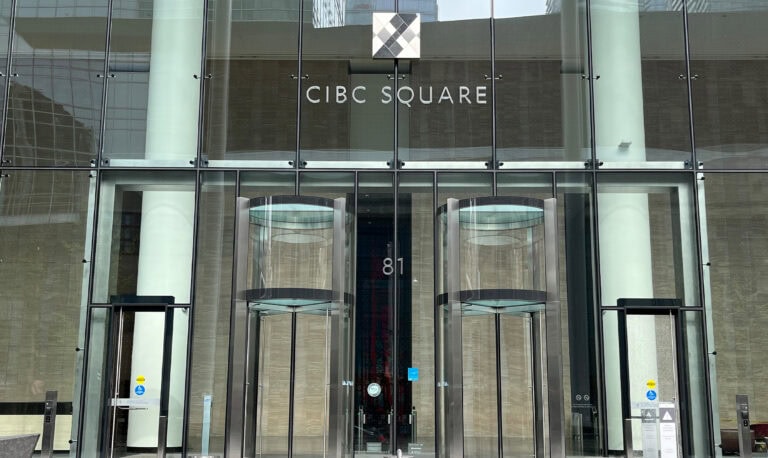
CIBC Square wayfinding design project from Entro

Mixed-use

CIBC SQUARE

Toronto, ON

BMO Workplace wayfinding signage design from Entro

Workplace

BMO Place

Toronto, ON

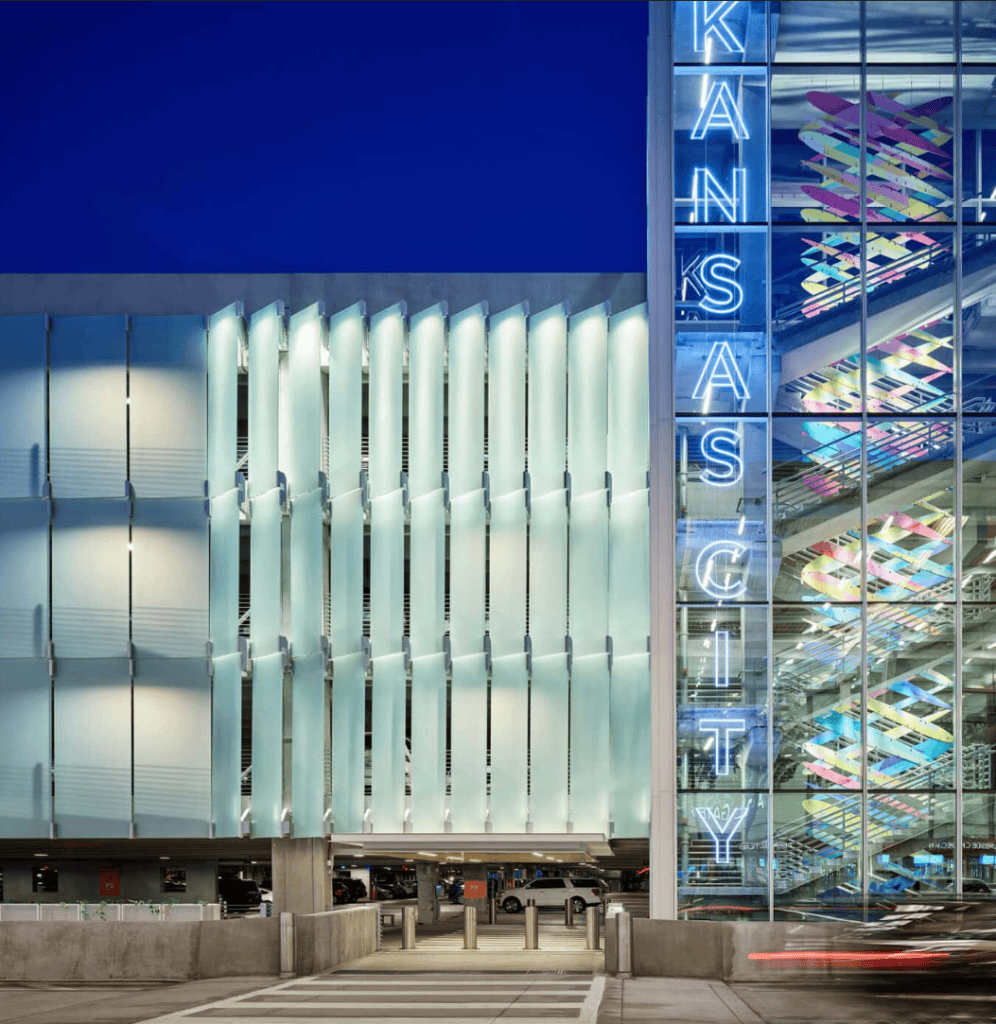
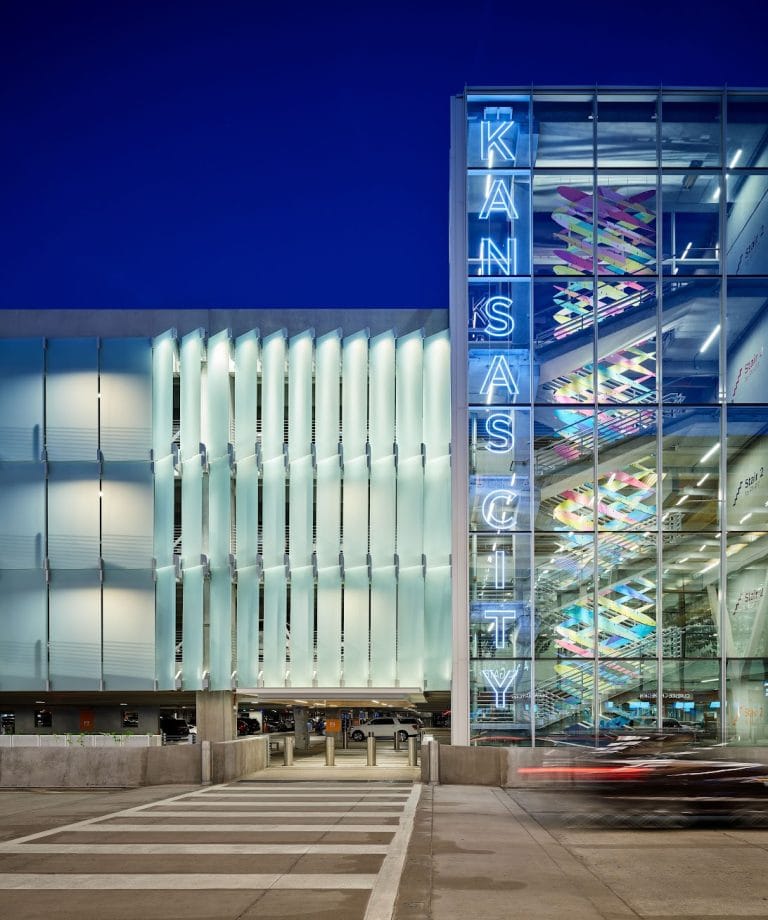
Kansas City International Airport Wayfinding Project

Airport

Kansas City International Airport

Kansas City, Missouri

How We Design Wayfinding Systems

A five-step methodology refined over three decades of experiential design practice.

Start Your Project
01

Research & Discovery

We study how people move through your space, identifying behaviors, needs, and key navigation decisions.

02

Concept Development

Insights shape a wayfinding concept aligned with your architecture, brand, and operations.

03

Design Integration

Signage becomes part of the architecture, blending materials, lighting, and spatial design.

04

Testing & Validation

User testing, eye-tracking, and accessibility reviews ensure the system works as intended.

05

Implementation

From fabrication to post-occupancy review, we ensure the system performs and evolves over time.

Markets We Serve

Wayfinding Signage by Industry

Bespoke wayfinding systems designed for the unique challenges of every environment.

Healthcare

Healthcare

Education

Education

Parking Garage

Parking Garage

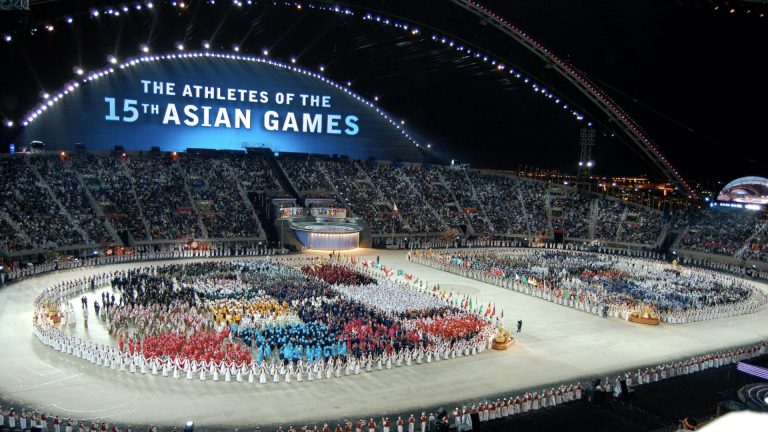
Sports Stadium

Sports Stadium

Airports

Airports

Retail

Retail

Zoo

Zoo

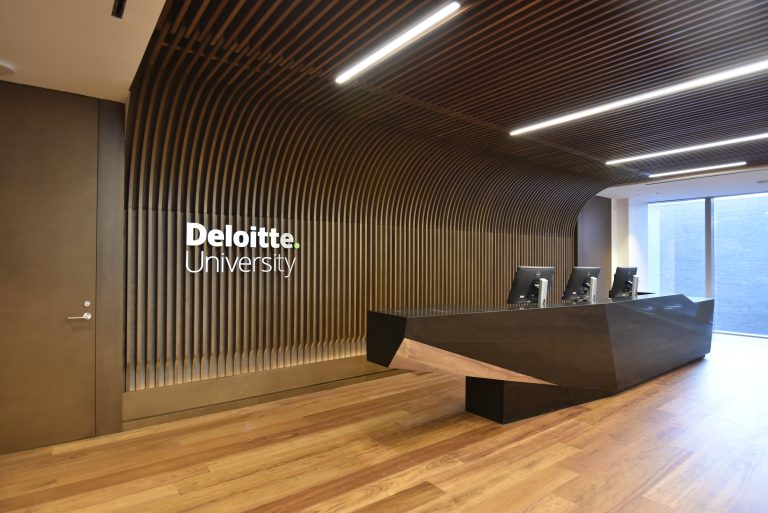
Office

Office

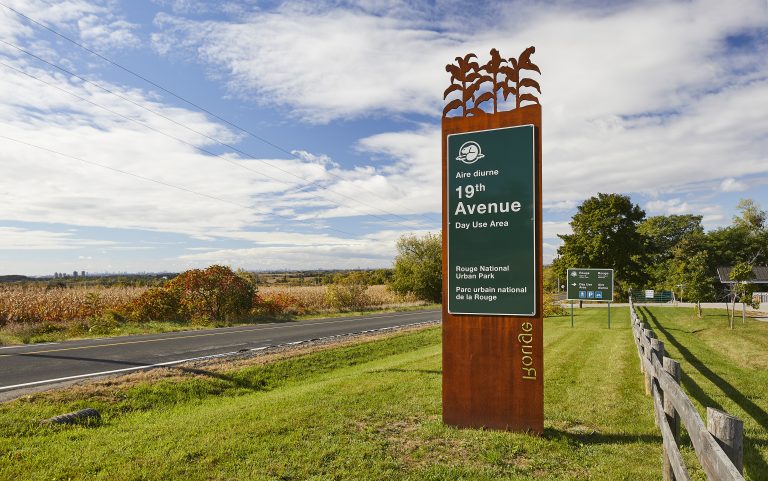
Park

Park

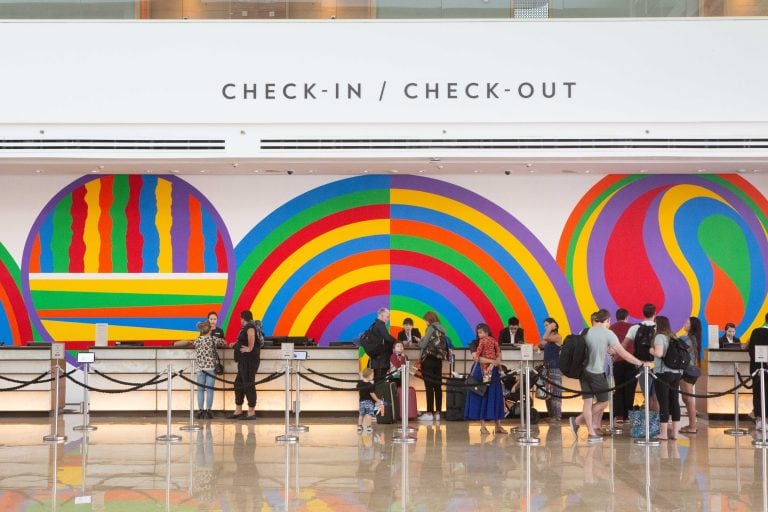
Hotel

Hotel

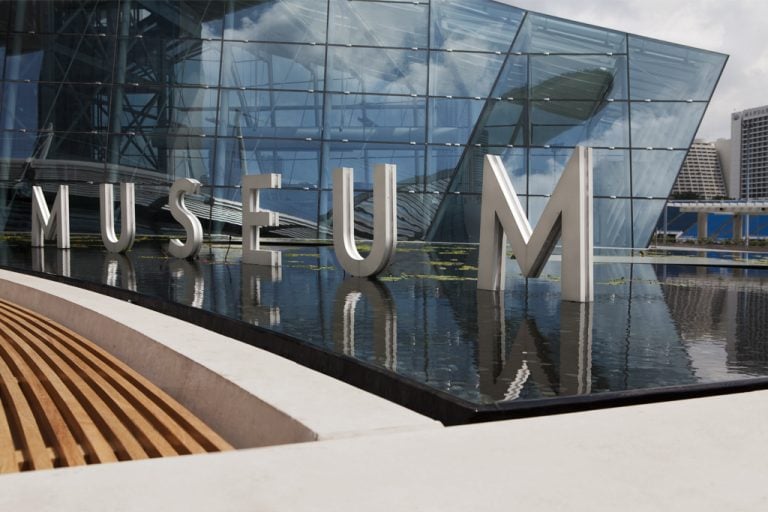
Museum

Museum

Resort

Resort

Event

Event

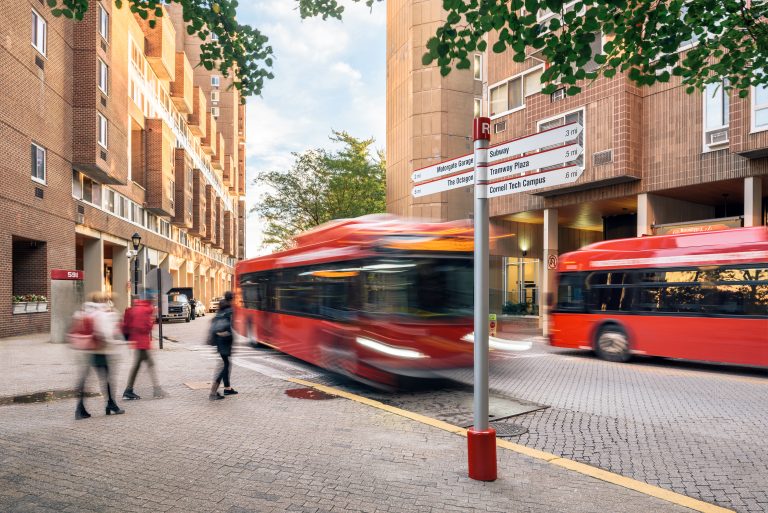
Transit

Transit

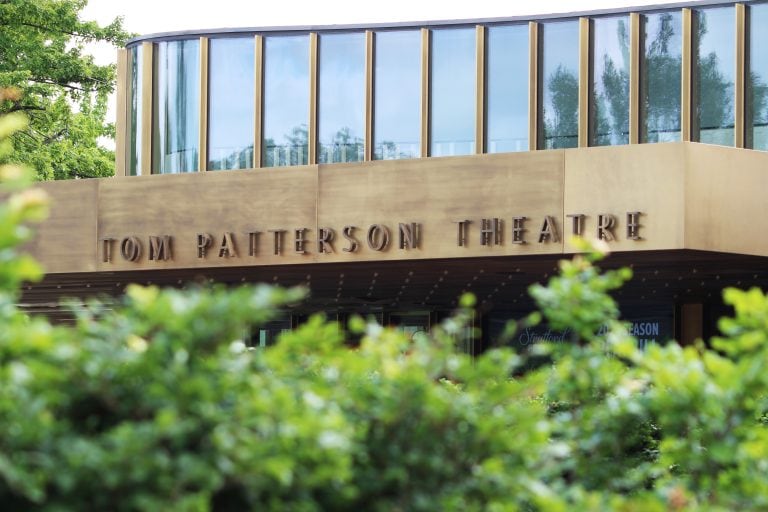
Theatre

Theatre

Civic

Civic

Residential Community

Residential Community

Theme Park

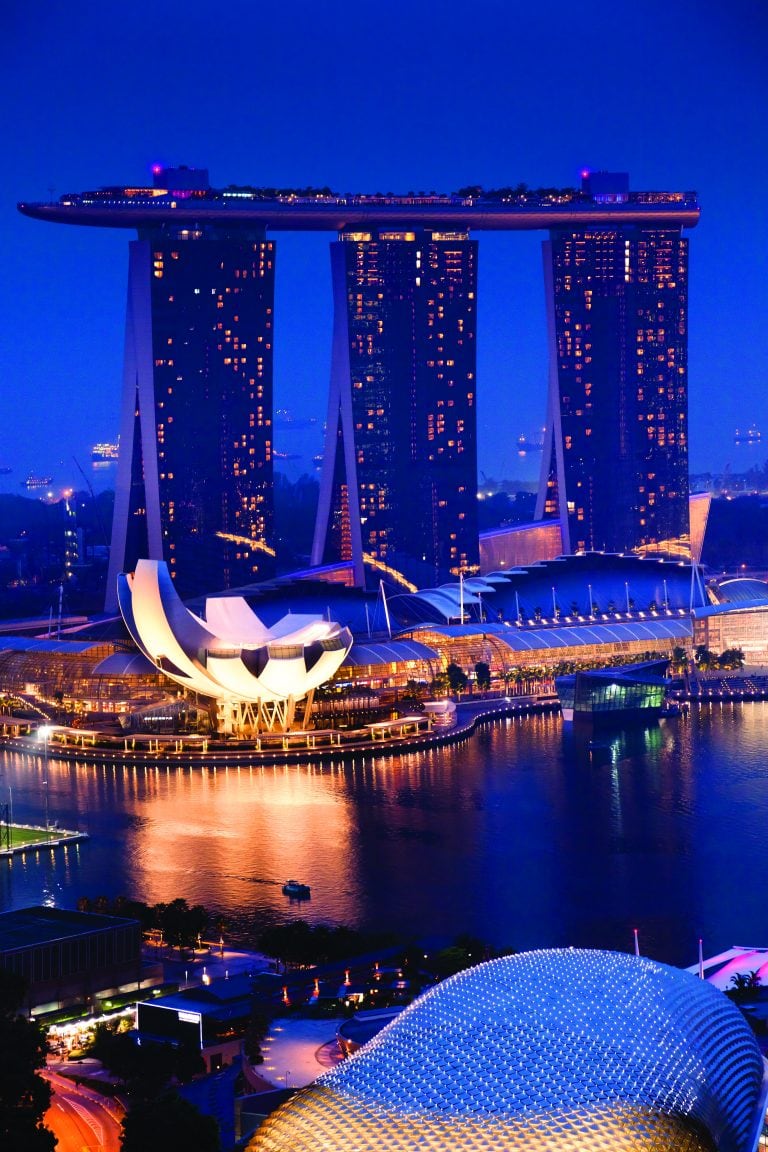
Mixed-Use

Mixed-Use

Why Wayfinding Signage Matters

How Wayfinding Signage Design Improves User Experience

Wayfinding improves how people experience a space from the moment they arrive to the moment they leave. A well-designed system reduces uncertainty, supports independent movement, and helps visitors understand their surroundings quickly. Instead of relying on staff for directions or searching for destinations, users can move confidently and focus on why they came in the first place.

Clear navigation also reduces stress and cognitive load. When paths are intuitive and decision points are easy to understand, visitors spend less time navigating and more time engaging with the environment. This is especially important in complex settings such as hospitals, campuses, airports, and mixed-use developments where orientation can directly affect comfort, safety, and efficiency.

Wayfinding signage systems also improve accessibility by supporting users with different abilities, languages, and levels of familiarity with a space. Thoughtful placement, readable information, and consistent visual cues help create inclusive environments where everyone can navigate with dignity and independence.

Beyond navigation, effective wayfinding strengthens the connection between people and place. It reinforces identity, supports operational performance, and contributes to a more seamless overall visitor journey—turning movement through a space into a clear and confident experience.

Education wyafinding project
Entro

Our process is powered by collaboration between our Research & Development and Creative Teams. Entro’s scientists and designers work together to translate data into meaningful patterns and develop best practices for our clients.

Cheryl Redman

Cheryl Redman

Capital Projects Manager, Parks Canada

Need wayfinding services? Let's talk.

FAQ

Wayfinding Signage Design

Everything you need to know about wayfinding signage design and our process.

Wayfinding links individuals with spaces. Disorientation becomes confidence, and confusion turns to understanding. A well-planned wayfinding reduces stress, improves accessibility, and reinforces your brand. Visitors enjoy the environments without thinking about their next destination. Well-designed wayfinding is much more important for airports, universities, and healthcare institutions. It helps people move easily. Visitors surely appreciate operational efficiency, safety, and the overall experience.

Indicators that you need professional wayfinding services: Your visitors are constantly asking where things are. People find your space confusing. You are planning a construction or remodeling project. You have multiple buildings on a campus with an inconsistent identity program, or you have an accessibility issue. You realize it is just plain hard to find your way around. If people are unable to navigate on their own with dignity, wayfinding services are likely the solution.

The timeline depends on complexity and scope. On average, a comprehensive
The process from research to installation typically takes 3 to 6 months. The duration depends on different factors. They include the project's complexity, the fabrication lead time, and the site conditions. For example, a hospital campus will take more research and testing than a single office building. During the discovery phase, we plan reasonable schedules and communicate along the way to assure coordination with construction schedules and move-in dates.
installation.

We start with site analysis and user research, which looks at how people actually navigate your environment today. We look at pedestrian flow modelling to reveal movement patterns. We do interviews to understand user needs. We do eye-tracking to measure visibility. This evidence shapes design concepts that are then tested through virtual reality walkthroughs and refined before fabrication, ensuring solutions are grounded in how people truly experience space.

Wayfinding performance is measurable. We have tools to monitor the effectiveness of our designs. We can use eye-tracking to test our wayfinding signs for visibility, test comprehension in pre-occupancy studies using virtual reality, and observe wayfinding effectiveness once the signs are installed. We can measure time-to-destination, reliance on wayfinding staff, accessibility, and wayfinding confidence. Many of our clients track wayfinding effectiveness in terms of decreased calls to receptionists for directions or reduction in missed appointments in healthcare facilities, among other measures.

The costs vary depending on different factors. These include the size of the project, the level of complexity in the site, the materials to be used in the project, and the extent of the project. Wayfinding in a transit center is surely more expensive than wayfinding in an office building lobby. Instead of giving ranges that don’t mean much without further explanation, we will give you a firm price once we have had a chance to discuss your needs and visit the site. A well-designed wayfinding system has a tangible return on investment by reducing the anxiety associated with being lost, making a more favorable impression on visitors, making your facility more accessible to all, and reducing the wasted time and expense of lost traffic and staff that has to explain directions.

Let's Connect People to Place

Ready to Transform Your Space?

Create a wayfinding system that connects people to place with clarity, purpose, and lasting impact.

Free initial consultation
Response within 24 hours
No obligation