About This Service

Guiding Patients With Clarity and Compassion

Patients come to hospitals in a state of vulnerability, frequently feeling anxious, disoriented, and in pain. Wayfinding should be a strategy to alleviate these conditions, not add to them. Proper wayfinding is a demonstration of respect that helps to minimize anxiety at a time when it is most critical and enables patients and their families to concentrate on the things that are most important: recovery and bonding.

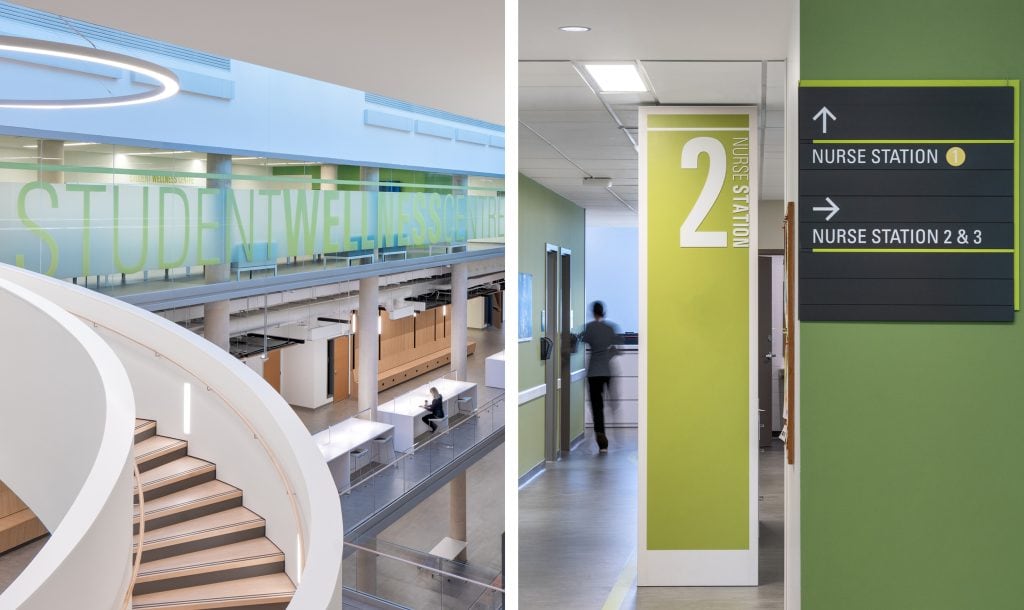
We combine color-coded zoning, flow analysis, and accessible design with the built environment. We work alongside hospital teams and architects to develop systems that are integral to the building, rather than additions to it. And we underpin every sign location with research about how people navigate complex environments while task-loaded.

The result is wayfinding that minimizes patient stress, enhances the delivery of care, and makes the experience of the built environment feel less confusing and more hospitable. It means less staff time spent providing directions, fewer missed appointments, and facilities that support the healing process with tranquility, clarity, and compassion.
Healthcare Wayfinding Signage

Featured Work

Hospital Wayfinding Signage projects

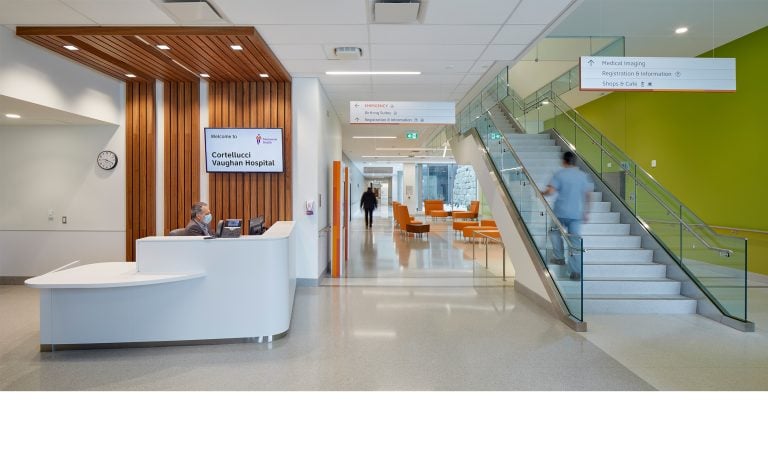
Cortellucci Vaughan Hospital

Healthcare

Cortellucci Vaughan Hospital

Large-scale hospital wayfinding system

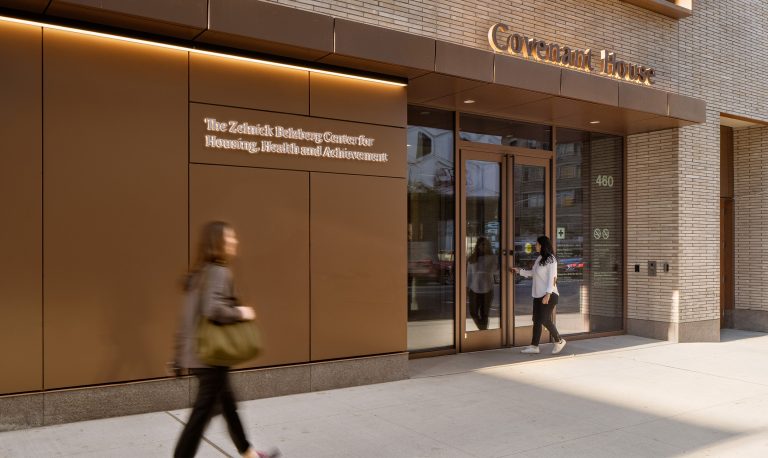
Covenant House New York

Healthcare

Covenant House New York

Wayfinding & donor recognition system

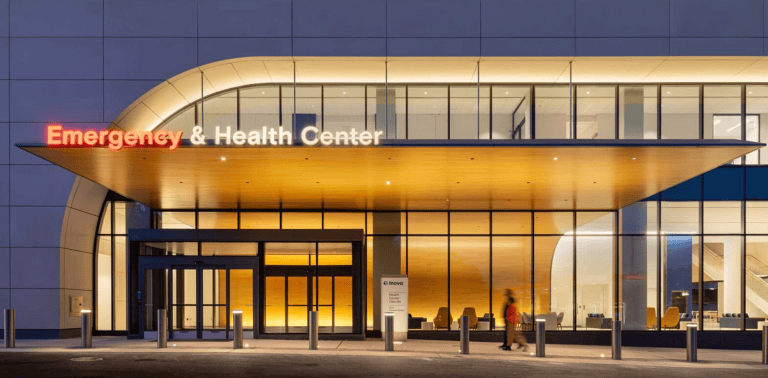
Inova Health Center – Oakville

Healthcare

Inova Health Center – Oakville

Wayfinding and Master Planning

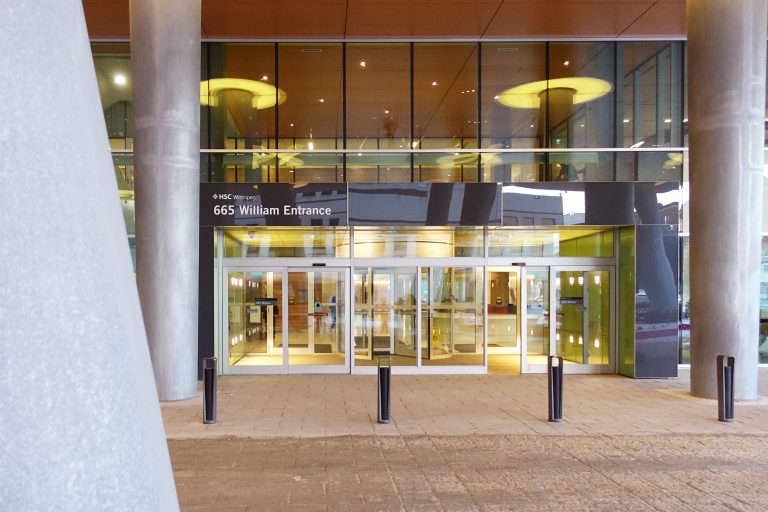
Winnipeg Health Sciences Women's Hospital

Healthcare

Health Sciences Centre

Women's hospital monochromatic wayfinding

Healthcare

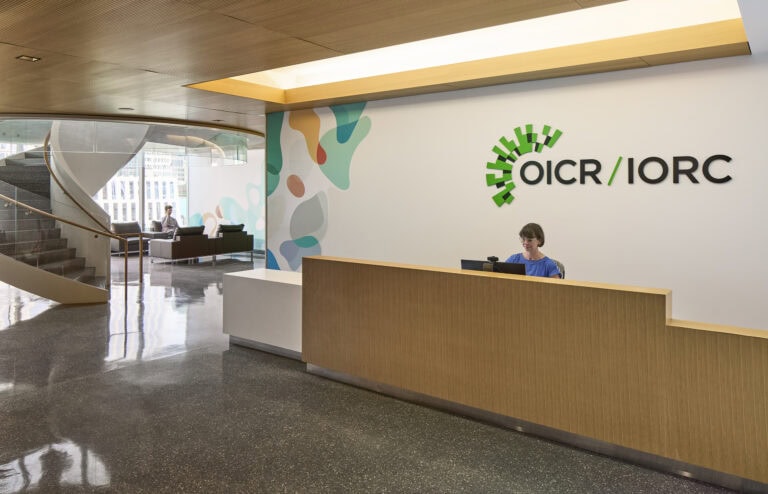
Ontario Institute for Cancer Research

Abstract workspace experiential graphics

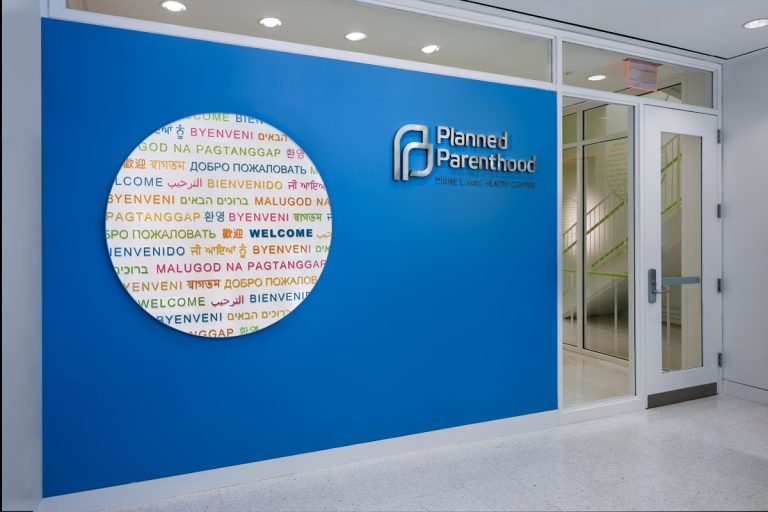
Planned Parenthood of New York City

Healthcare

Planned Parenthood of New York City

Multilingual healthcare graphics

Entro

Effective hospital wayfinding is crucial for reducing stress, helping patients and visitors navigate complex spaces with confidence and clarity. It helps staff focus on delivering care, thereby improving operational efficiency.

Need wayfinding for hospitals? Let's talk.

Signage Solutions

Types of Hospital Wayfinding Signage

Every healthcare environment requires a tailored system of signage working together to guide patients, visitors, and staff with clarity and confidence.

01

Directional Signage

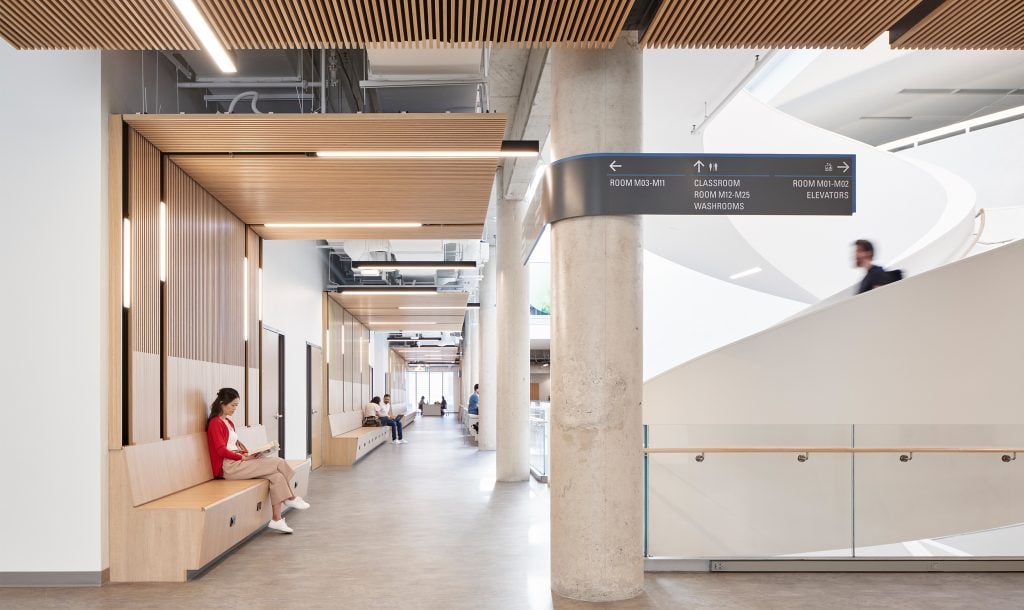
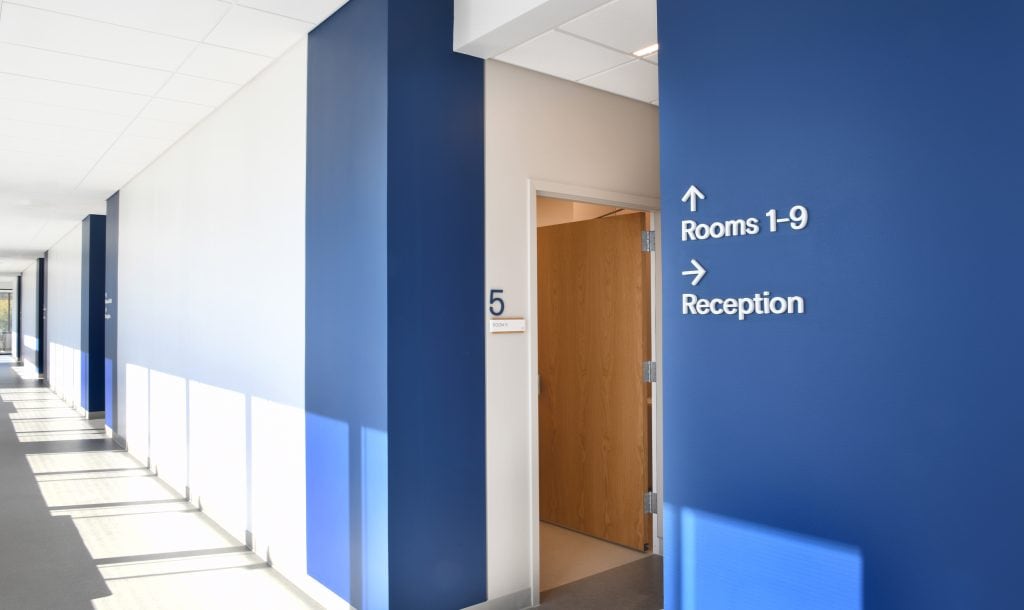
These are the basic signs that tell people which way to go, located at decision points such as where hallways meet, elevators discharge, and paths split. Healthcare signs must take into account a person's ability to process information: anxious or ill patients and their families may not read signs in the same way as they would in a different setting.
We develop wayfinding systems that recognize the importance of certain locations, such as Emergency, ICU, Radiology, and Outpatient Services, through hierarchy and typography size to help users navigate to their location efficiently. We also test the direction of arrows to make sure they are understood without requiring too much concentration, as many users may be preoccupied with illness or stress.

Corridor Signs
Elevator Directories
Overhead Directionals
Hospital Directional Signage
02

Room Identification Signage

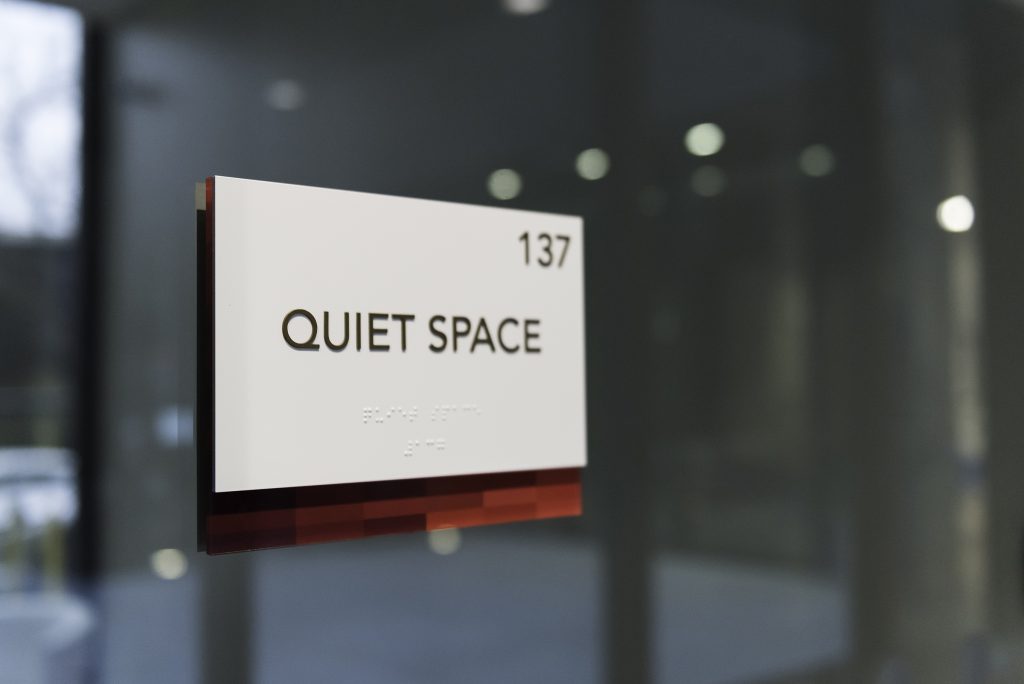
Patients shouldn’t be burdened by the effort of finding the right room while they are already under stress. Room identification signs help give people a sense of where they are and where they are going, such as the name of a department, the number of a room, the location of a physician's office, or the number of a patient room, all in the same typography and colour coding as the rest of the facility.
We design room numbers as one element of an integrated wayfinding system. Numbers are sequential, departments are named consistently with the terminology used on directional signs, and signs are positioned to be visible from various approach paths. This wayfinding system instills trust with each right turn, leading to less apprehension as you get closer to your destination.

Room Numbers
Department Labels
Office Plaques
Hospital Room Identification
03

Informational Signage

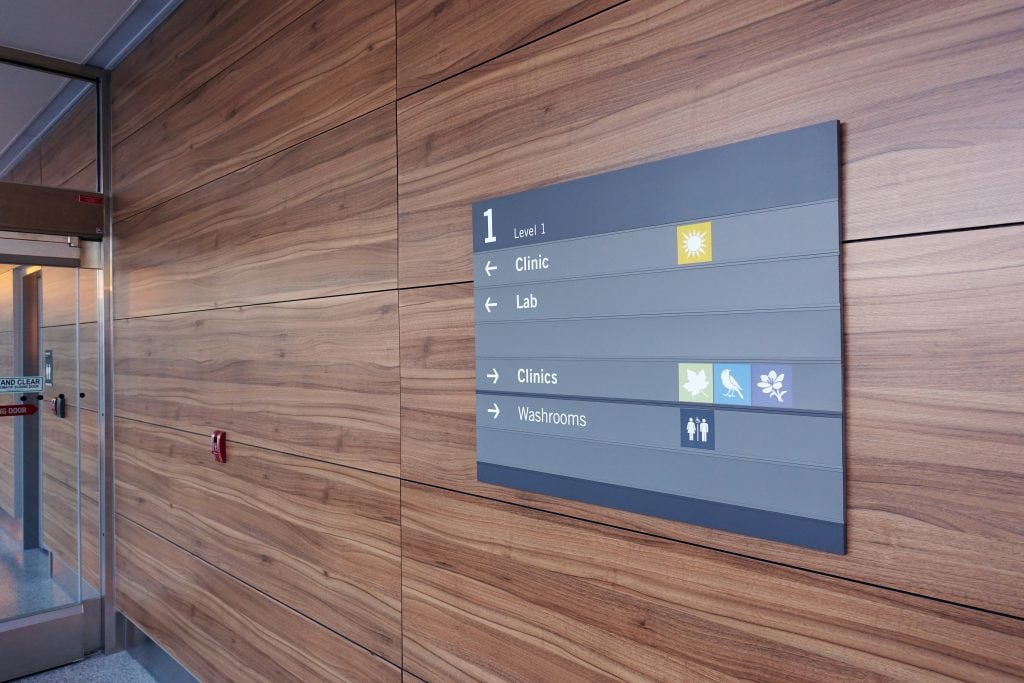
The next level of wayfinding is the informational signage that provides answers to the questions that visitors may ask: where are the restrooms, what is on this floor, what are the hours of visitation, and where are the family waiting areas. This level allows people to figure out the answers themselves instead of asking one of the hundreds of questions the receptionists receive on a daily basis.
We develop information signage that is easy to read and understand, written in clear language and structured in a logical way. Organizing content in a hierarchy allows the most-used information to be the most accessible and can be easily updated by the institution itself as services change over time. This way, the building will feel open and easy to navigate, both of which will reduce stress and make the experience of care better.

Service Directories
Visitor Guides
Amenity Maps
Hospital Informational Signage
04

Regulatory & Safety Signage

Here, code and design come together. Fire exits, emergency pathways, ADA requirements and safety notifications all have to be accommodated, but these elements don’t have to look like they’re not part of the rest of the facility. Wherever possible, we incorporate code signage into the overall wayfinding system, using similar materials, fonts, and mounting methods.
We make sure your safety signage is visible and legible, but also that it integrates well with the rest of the space. We interpret your local building codes and accessibility standards to give you compliant options that are meaningful and not just mandatory, as regulatory signage is about caring for people so that everyone has access to a safe experience in any situation.

ADA Compliance
Fire & Exit Signs
Hazard Warnings
Regulatory Hospital Wayfinding
05

Floor Plan & Map Signage

A large-format orientation map gives users a sense of place within the overall building. The “you are here” type map is best used in areas where visitors first arrive, such as main building entrances, elevator lobbies, or at major intersections, where users will pause to determine how to proceed.
We aim to achieve a high level of graphic resolution in our floor plans, avoiding the confusion that comes from too much information. We also want to provide enough information to avoid confusion. The right balance between content and graphic resolution, achieved through techniques such as colour-coding and simplified architectural representation, is vital. We want to help users internalize an image of the facility’s layout, so that they can continue to navigate successfully even when they are not looking at the plan.

You-Are-Here Maps
Floor Directories
Campus Maps
Hospital Floor Signage
06

Parking & Exterior Signage

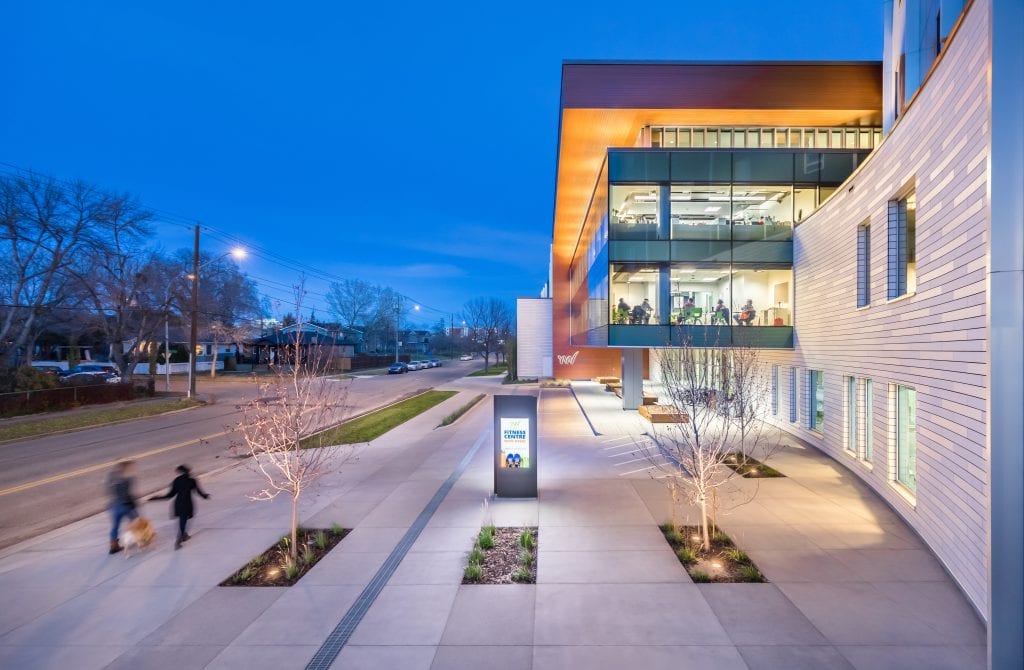
Wayfinding starts in the parking lot, at the front door, and along the sidewalks leading up to the facility. If the arrival is frustrating, the entire health care experience is off to a bad start. If the arrival process is smooth, it sets the tone for a positive health care experience. Exterior signs direct cars and people from the moment they arrive on the site.
We designed the parking and wayfinding systems to address a variety of different users, including ambulance arrival, accessible drop off for those with disabilities, family parking, staff parking, etc. The exterior signage design utilizes the same visual identity as the interior wayfinding to facilitate a smooth transition from parking to your destination, minimizing the anxiety often associated with navigating a hospital.

Parking Levels
Drop-off Zones
Pedestrian Routes
Hospital Parking Signage

FAQ

Hospital Wayfinding Signage & Design

Everything you need to know about designing wayfinding for healthcare environments.

Intuitive wayfinding is a display of care. With effective wayfinding, you allow your patients and their families to arrive at their desired location without frustration. This surely reduces anxiety and increases patient satisfaction. It helps prevent missed appointments, which wreak havoc on a facility’s scheduling system and postpone treatment plans. It allows your patients and staff to locate areas of the hospital in emergency situations. There is abundant research that proves that successful wayfinding correlates with higher patient satisfaction, as the distress of being lost adds to the distress of being ill. Wayfinding that works is wayfinding that cares.

With hospitals that lack good wayfinding, a lot of nurses’ time is consumed by providing directions, which are distractions from their caregiving. The directional questions alone are eliminated. Plus, when we improve the flow, it decreases congestion around the check-in and registration areas and leads to fewer “no shows.” It has been quantified: the number of directional questions is reduced, and flow is increased after good wayfinding is implemented.

We design for belonging, not compliance. For us, this starts with the knowledge that there is a range of abilities, not a series of disabilities. Every system incorporates braille and tactile elements, high contrast colours for sight loss, intuitive iconography that works across language, and multilingual considerations for diverse communities. Wheelchair-accessible sight lines and mounting heights ensure information is available to all users. Accessibility underpins our work because everyone should feel that they can access a healthcare environment with dignity and independence.

Sure, and digital media now often adds flexibility to static systems. Digital kiosks and directories can offer updates to department moves and construction rerouting, search for hard-to-navigate spaces, or offer different languages. We integrate digital wayfinding with physical signage, choosing graphic styles and typography that harmonize with existing architecture, and placing them in a way that complements other signage. The result is a system that enjoys the permanence of a static system and the flexibility of digital media.

Let's Work Together

Ready to Improve Your Hospital Navigation?

Create a wayfinding system that reduces patient stress, improves efficiency, and transforms your healthcare facility.

Free consultation
24hr response
No obligation