About This Service

Designing Education Wayfinding That Shapes Campus Life

Education wayfinding systems need to function as the quiet logic of a city. An education institution is a collection of buildings, quads, transport links, and service areas, constructed over decades, used by students, faculty, staff, families, and visitors with very different knowledge of the space. The system should serve both first-time and seasoned users.

We collaborate with educational institutions’ administrators, architects, and planners to design the wayfinding system so that signs become an integral part of the building’s spatial logic. We translate architecture, landscape, and history into easily readable decision points using zone-based strategies and pedestrian flow analysis.

The campus feels cohesive, navigable, and proud of its uniqueness when university wayfinding is functioning. New students find classes without panic. Visitors arrive informed. Daily movement becomes calm, efficient, and meaningful.
Education Wayfinding Signage

Featured Work

Education Wayfinding Projects

Boston University

University

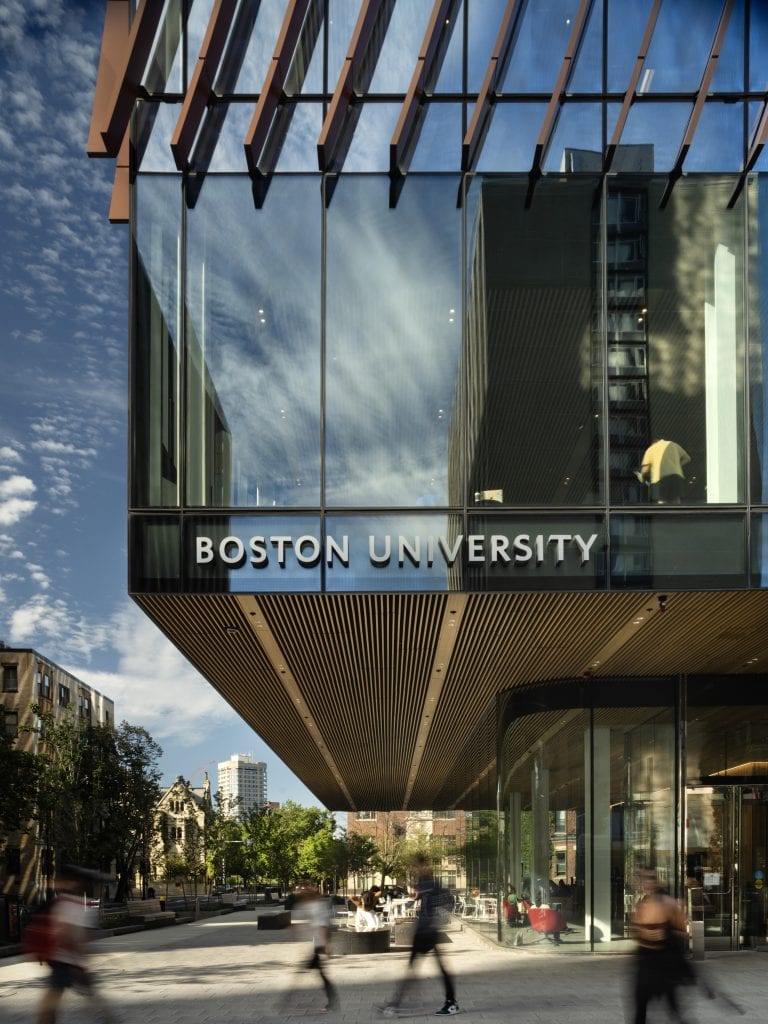
Boston University's Duan Family Center for Computing and Data Sciences

Subtle building-matching signage

Gerald Hatch Centre

University

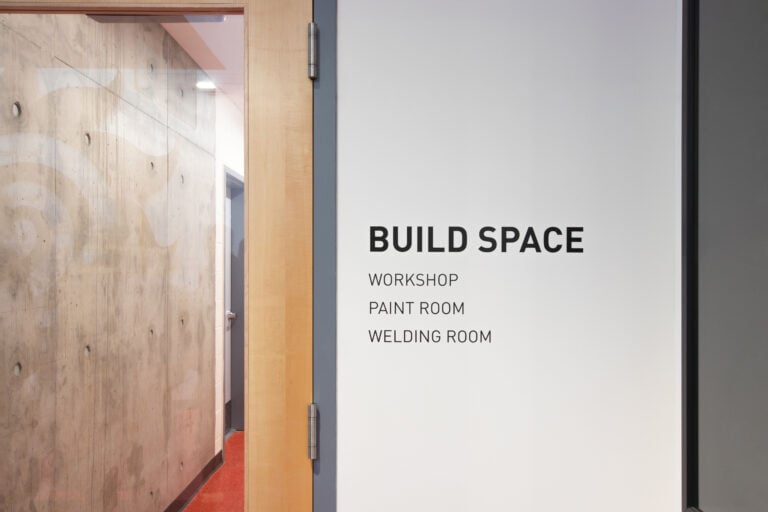
Gerald Hatch Centre, McMaster University

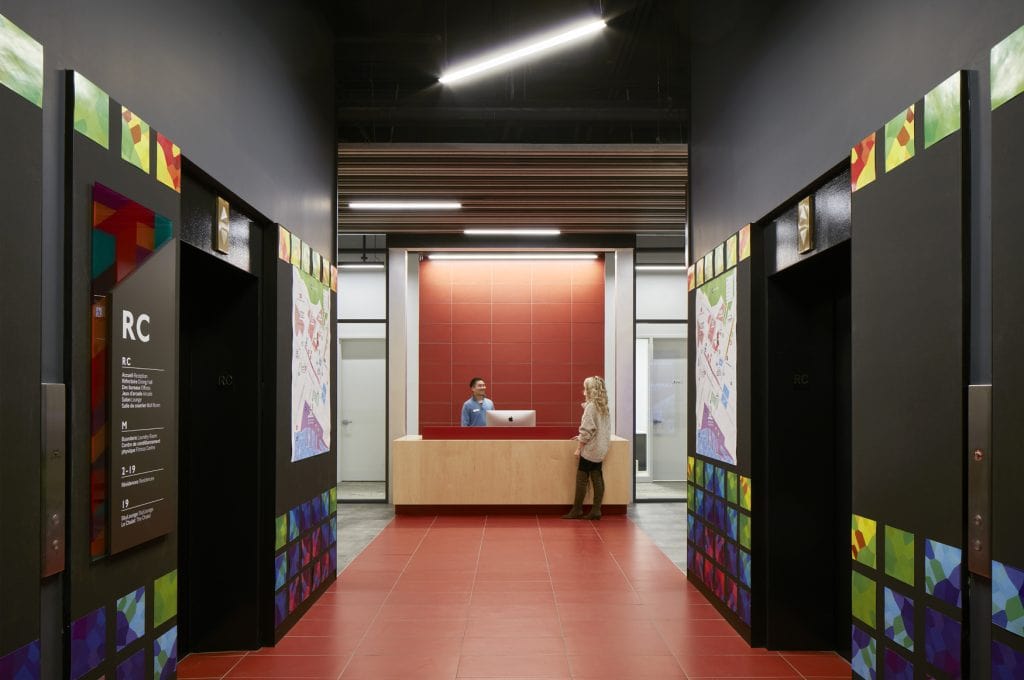
Functional floor-named directory

University

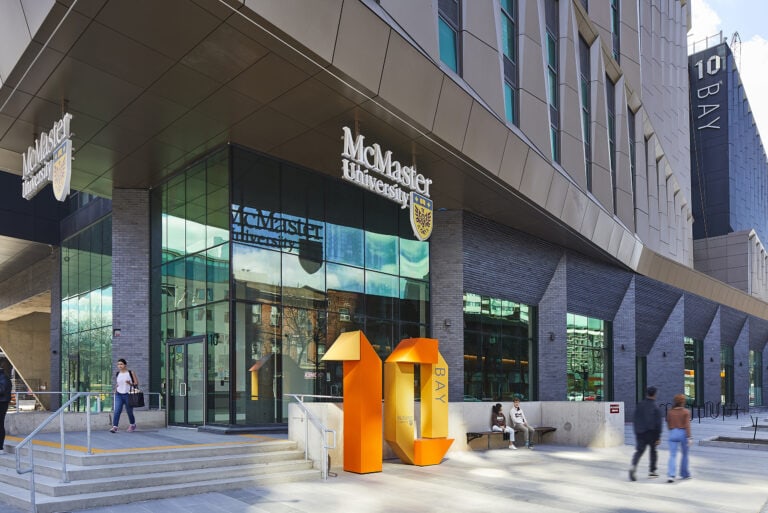
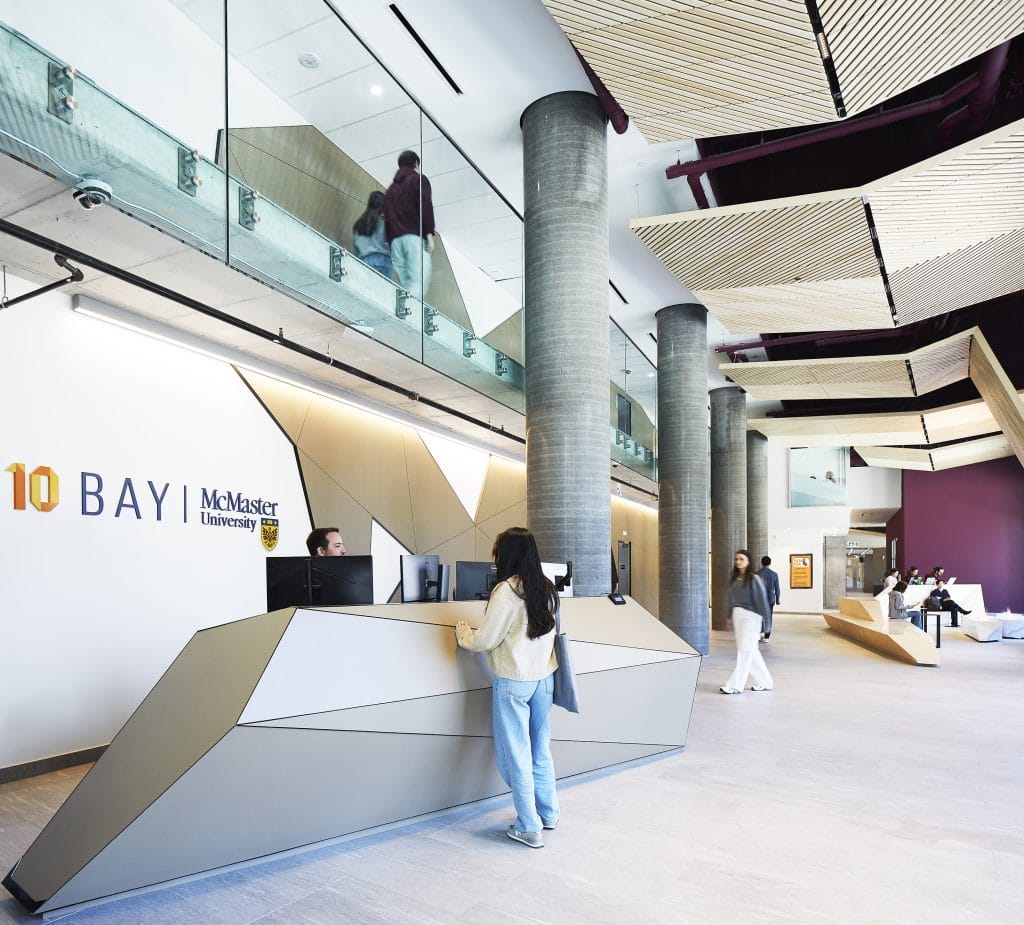
McMaster University 10 Bay Residence

Branded residential identity signage

Princeton University: Robertson Hall

University

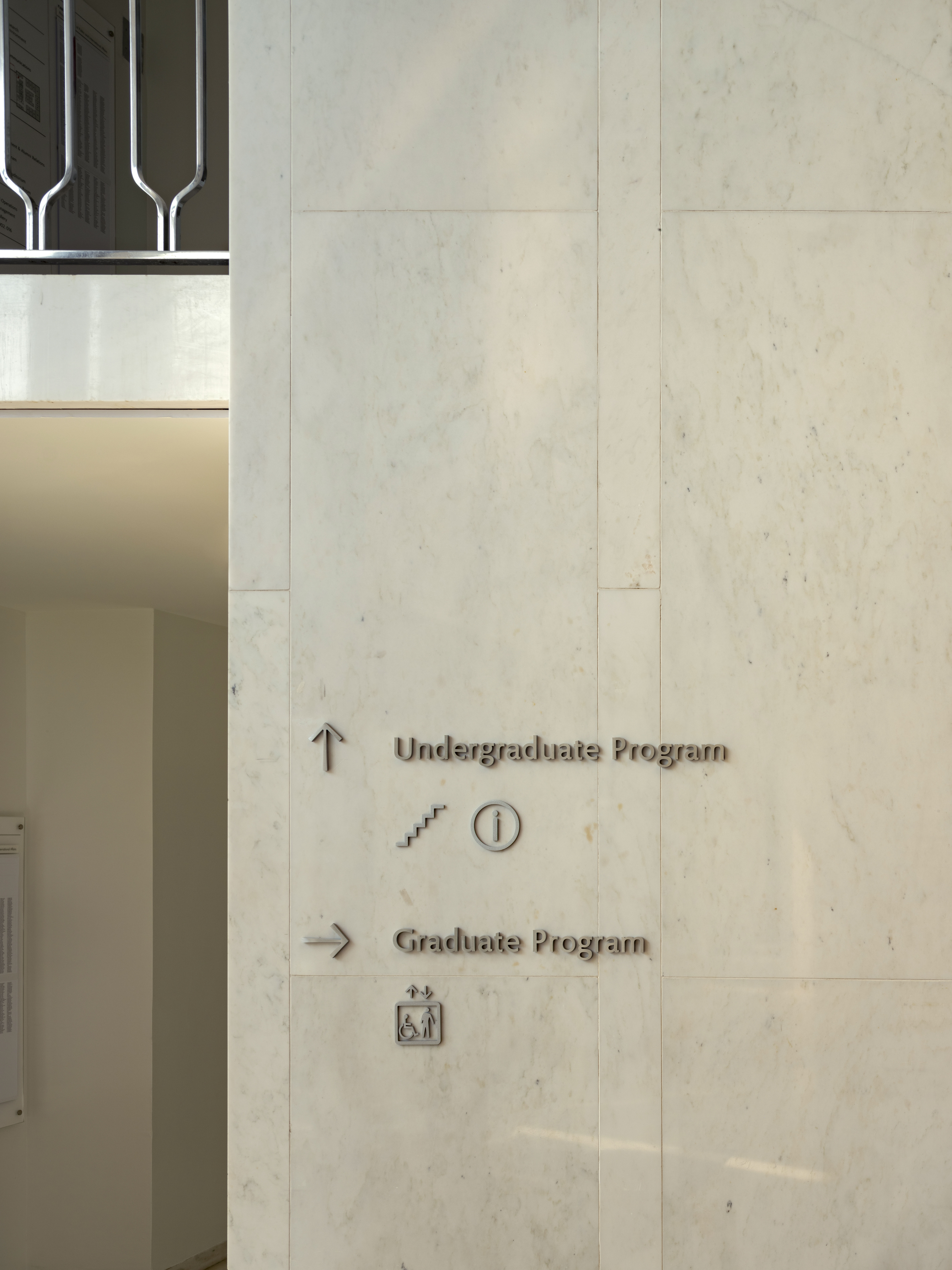
Princeton University: Robertson Hall

Marble-integrated hierarchy signage

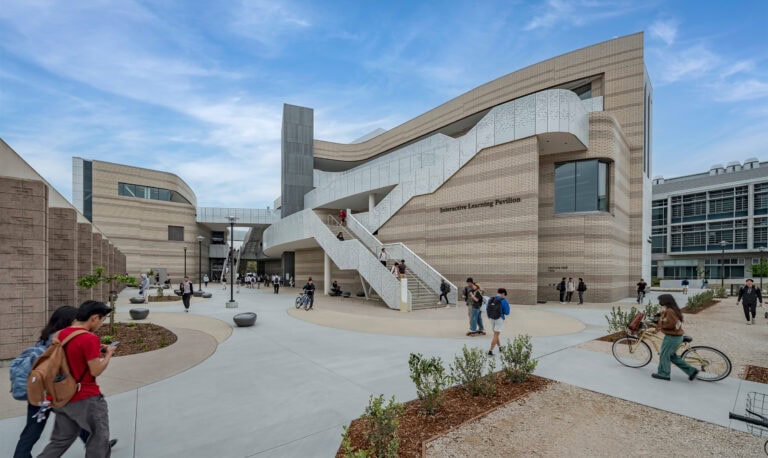
Interactive Learning Pavilion

University

University of California, Santa Barbara

Landscape-inspired outdoor wayfinding

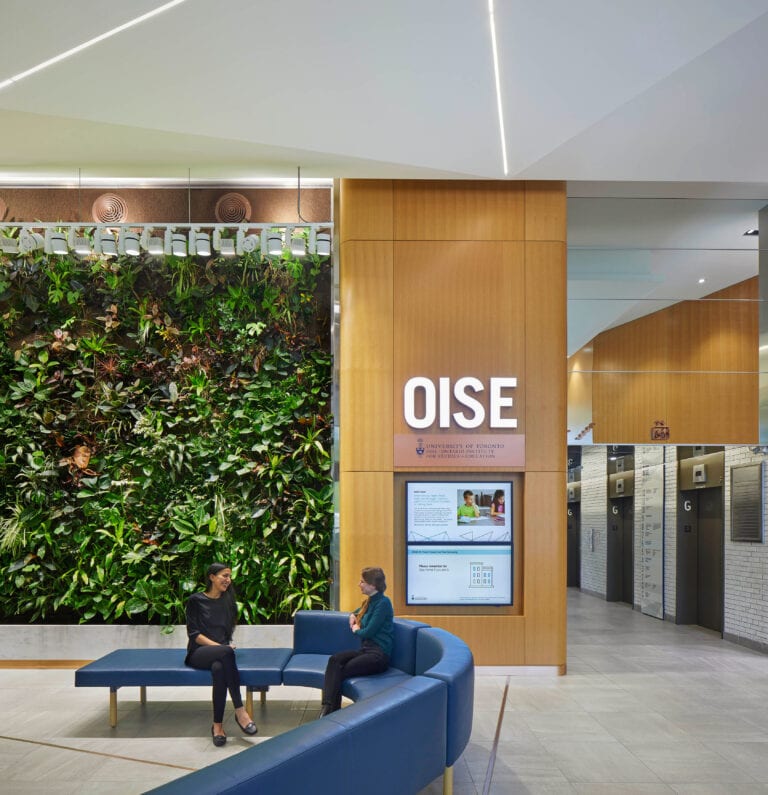
University of Toronto’s Ontario Institute

University

University of Toronto, OISE, Front Lobby and Entrance

Accessible branded entrance wayfinding

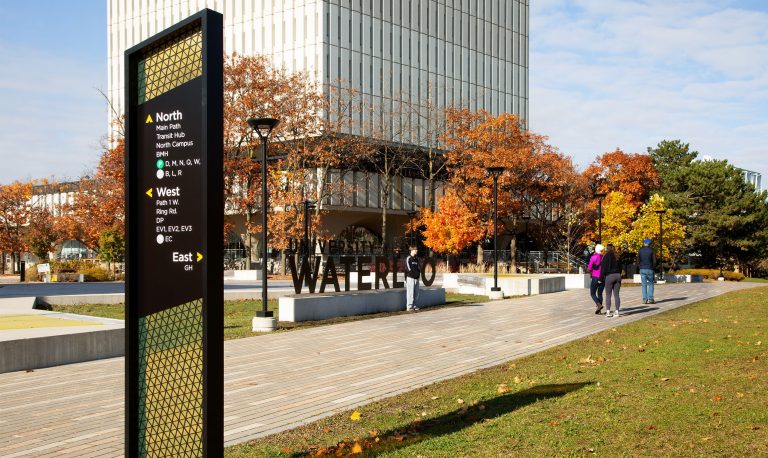
University Of Waterloo

University

University of Waterloo Multi-Modal Wayfinding Master Plan

Research-driven multimodal campus wayfinding

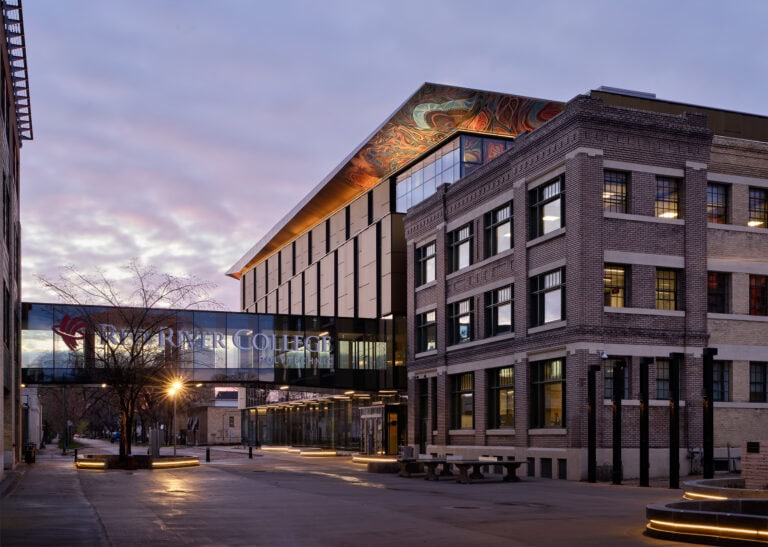
Red River College

College

Red River College Polytechnic

Architecture-integrated intuitive wayfinding

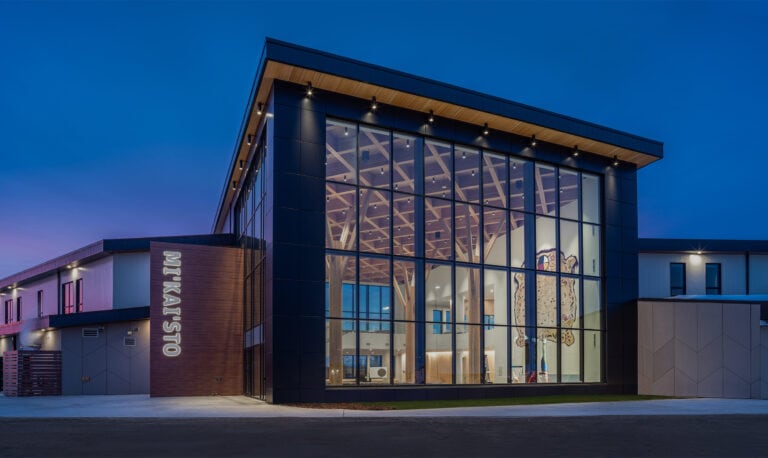
Mi'kai'sto Red Crow Community College exterior building at dusk

College

Mi’kai’sto Red Crow Community College

Bilingual indigenous art wayfinding

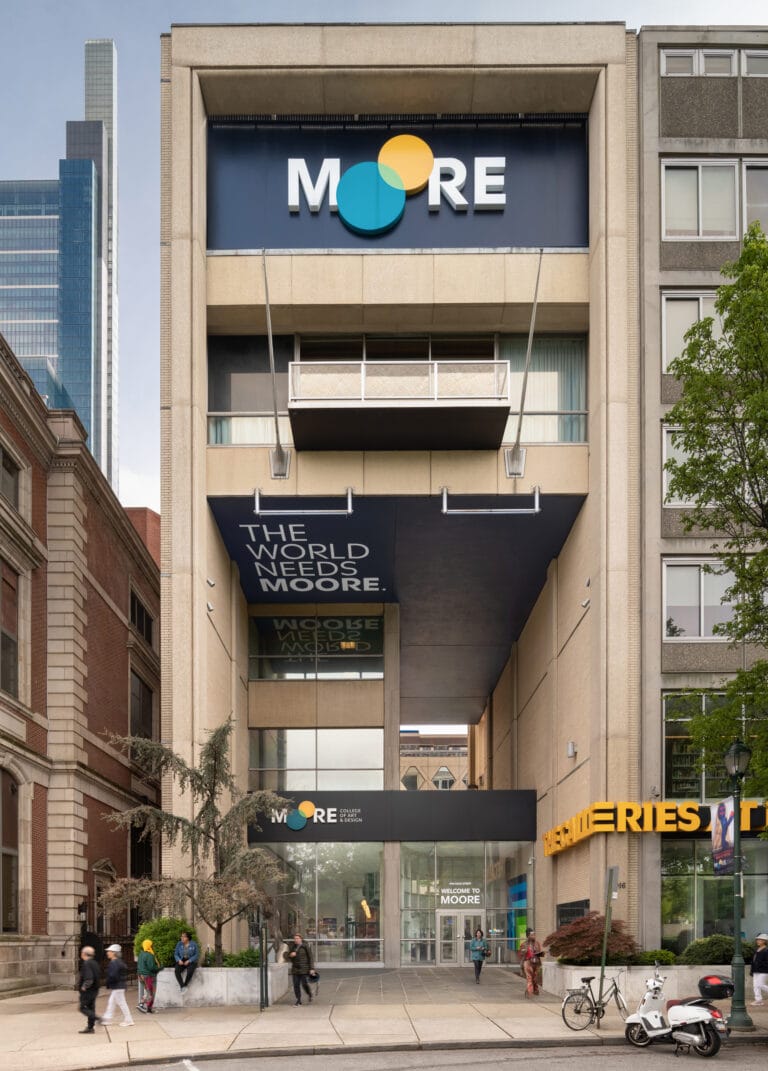
Moore College

College

Moore College of Art & Design

Bold brand-driven wayfinding

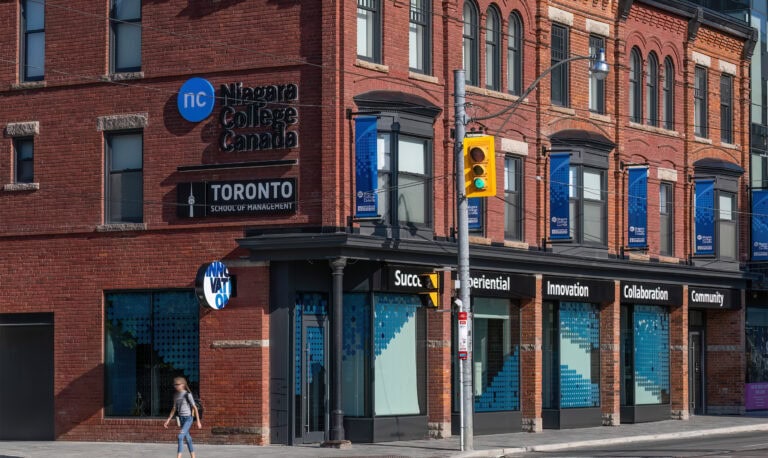
Niagara College – Toronto exterior building corner shot featuring co-branding with Niagara College and Toronto School of Management

College

Niagara College

Heritage-integrated campus wayfinding

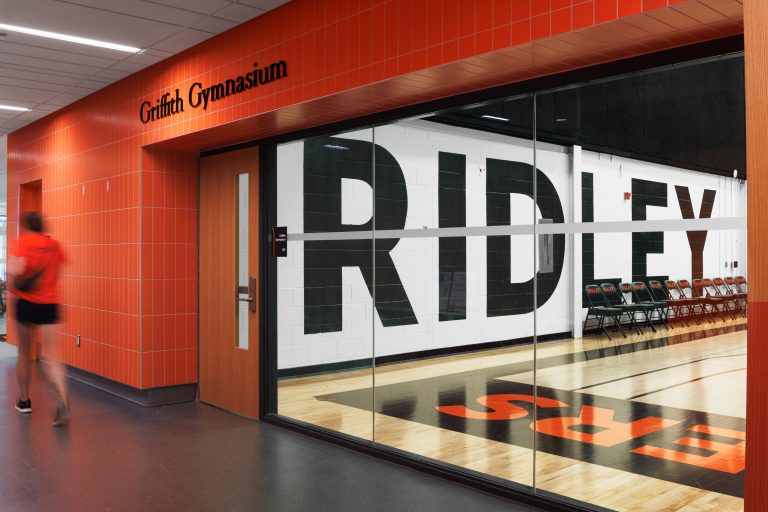
Ridley College

College

Ridley College

Heritage campus narrative wayfinding

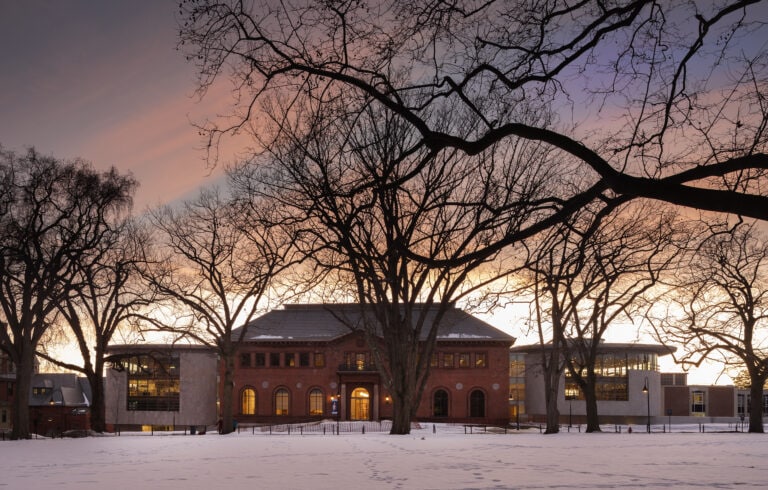
Neilson Library exterior at dusk during winter

College

Smith College

Minimal warm-toned library wayfinding

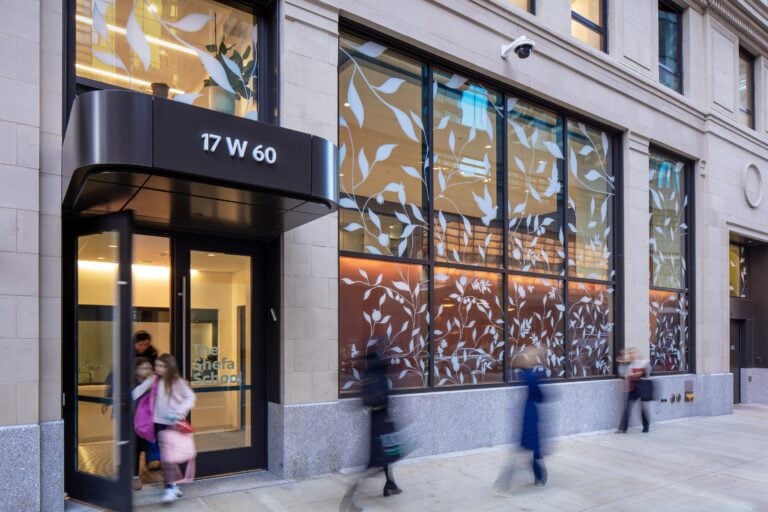
Shefa School

School

The Shefa School

Bilingual cultural identity wayfinding

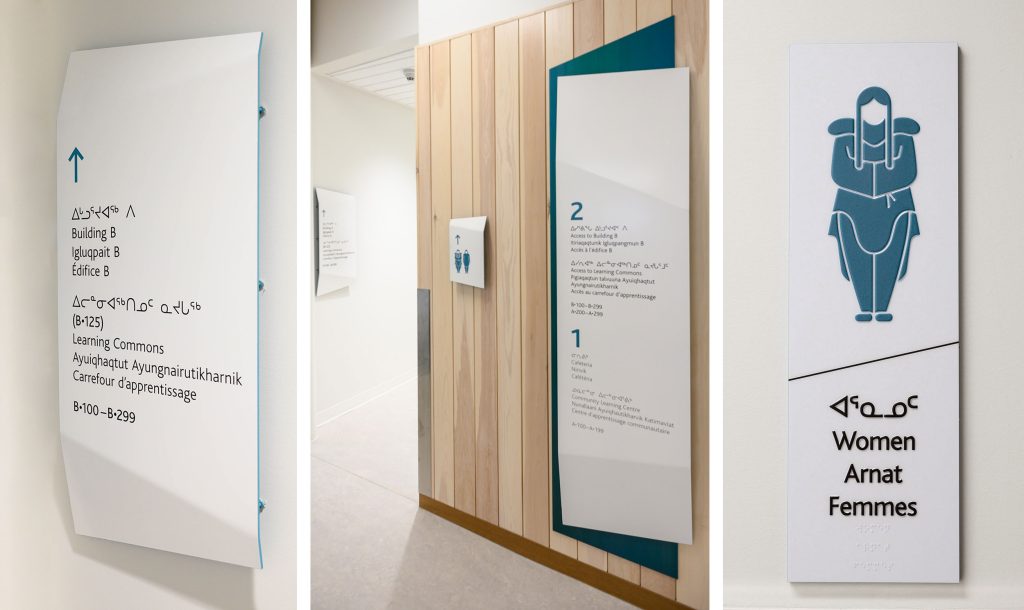
Arctic College Nunatta Campus

Campus

Arctic College, Nunatta Campus

Culturally sensitive multilingual wayfinding

Entro

Education wayfinding brings clarity to complex environments, connecting buildings and open spaces for students, staff, and visitors alike.

Need wayfinding for educational institutions? Let's talk.

Signage Solutions

Types of Education Wayfinding Signage

A coordinated education wayfinding system helps students, staff, visitors, and service workers across buildings, grounds, and transit connections indoors and out.

01

University Wayfinding

University campuses are complex environments consisting of multiple buildings that have developed over many decades. They serve thousands of students, staff, faculty, and visitors daily.
University wayfinding design consists of a wide range of architectural styles under a unified navigation system, moving people through campus gateways, academic facilities, residential areas, and grounds.
Zone planning, pedestrian movement analysis, and flexible sign systems create a unified campus environment that is inviting to new users and efficient for daily users.

Gateway & Entry Signage
Building Identification
Residence & Student Life Signage
University Wayfinding
02

College Wayfinding

Colleges have a wide range of communities: full-time and part-time students, trades students, and the general public. These communities serve different locations. College wayfinding should be simple and flexible to accommodate a wide range of structures and user groups. Bilingual and multilingual signage and accessible routes are usually integral to a college environment.

Building & Department Identification
Accessible Route Signage
Transit & Parking Connections
College Wayfinding
03

School Wayfinding

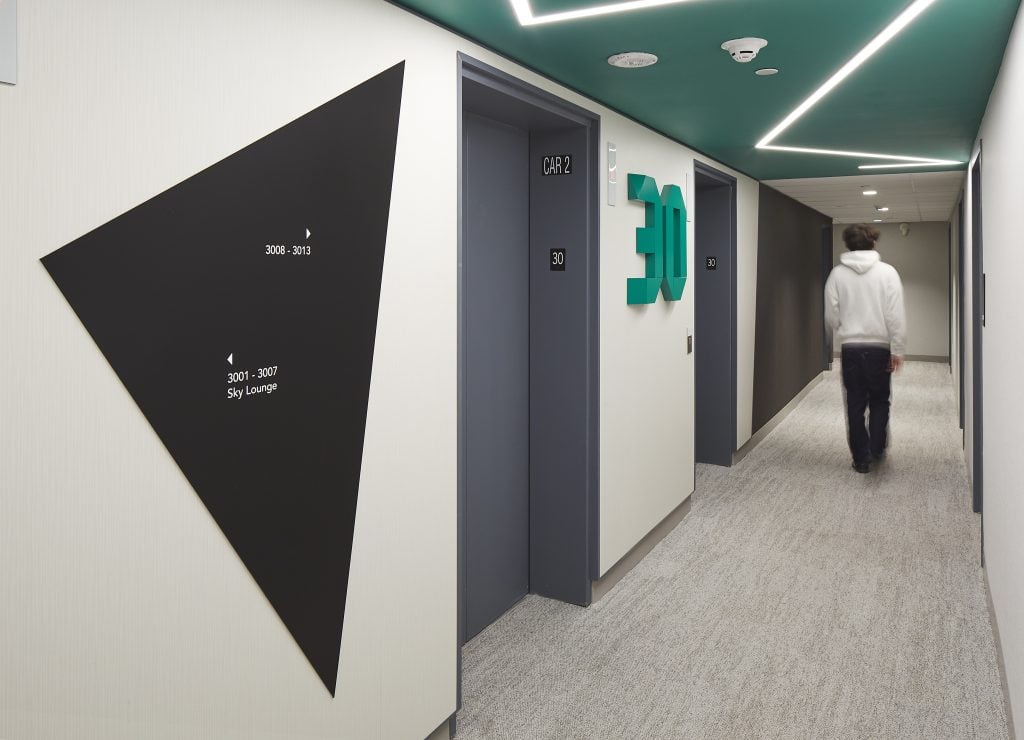
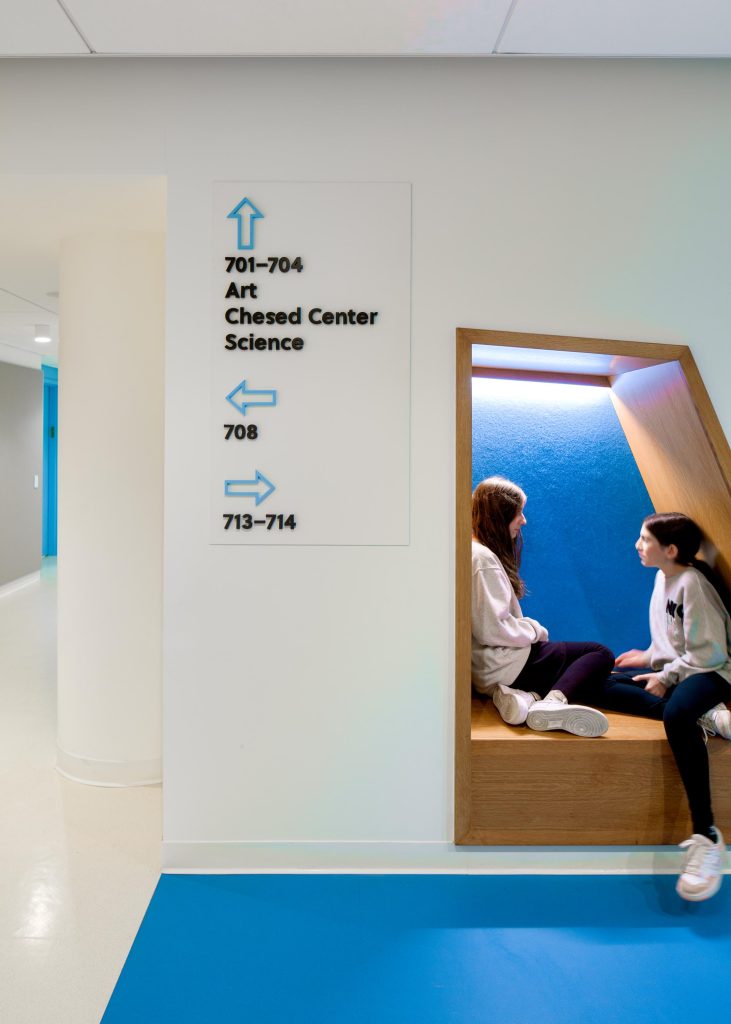
Students of various ages study in schools along with teachers, parents, and visitors. School wayfinding needs to be immediately legible for readers of various ages. It involves typography, color coding, and pictograms. It is important to ensure safety and accessibility with a positive tone so that everyone can move around independently from the time they enter the school.

Classroom & Room Numbering
Emergency & Safety Signage
Accessible Route Identification
School Wayfinding
04

Campus Wayfinding

The campus wayfinding system considers the whole outdoor and indoor experience from parking areas, transit stops, quads, walkways, and buildings. It combines pedestrian, cyclist, and vehicle circulation into a single system, using materials suitable for all weather conditions and different campus landscapes. A good campus wayfinding system requires a good master plan, which considers future growth, including new buildings or new names for buildings, without disrupting the overall system.

Campus Master Plan & Zoning
Gateway & Threshold Markers
Outdoor Orientation Maps
Campus Wayfinding

FAQ

Wayfinding Education Signage

Common questions about education wayfinding design for campuses and educational environments.

A clear wayfinding language in typography, color schemes, materials, and mounting logic provides continuity where architecture does not. University wayfinding design provides each building with a presence that makes a campus designed over time feel like a whole rather than a collection of disparate parts.

Orientation week can be disorienting. Clear campus maps, building signage, and residence signage can also help alleviate confusion on arrival day. Effective university wayfinding can help new students and families locate important facilities easily, which can reduce anxiety for everyone involved.

Yes. We layer information so pedestrians, cyclists, and drivers each receive what they need at the right scale and decision point. University wayfinding prevents visual clutter by separating routing logic, so every user reads the campus clearly without competing messages.

We design modular systems where names and directory inserts can be updated without replacing entire structures. Panels, plaques, and insert plates let universities accommodate department moves, donor namings, and program changes while preserving the overall system.

We work with community stakeholders, cultural advisors, and indigenous partners to incorporate story, language, and meaning into our built environment. This is demonstrated through Fanshawe’s program based on the seven grandfather teachings and Mi’kai’sto Red Crow’s bilingual signage and exterior monument.

We design for a spectrum of ability: clearly marked accessible routes, elevator and ramp identification, tactile cues, and contrast for low‑vision users. Distance information and step‑free routing help people move independently, so accessibility becomes a foundation for belonging.

Timelines vary by scope. A single‑building programme commonly takes three to four months. A campus‑wide master plan typically ranges from six to fourteen months. Phased delivery is common, so wayfinding grows with construction and renovation schedules.

Let's Work Together

Ready to Shape Your Education Wayfinding

Design education wayfinding that gives students confidence, welcomes visitors, and makes institutional identity visible at every turn—clear, compassionate, and enduring.

Free consultation
24hr response
No obligation