About This Service

Designing Navigation For Destinations Worth Exploring

Resorts spread throughout the landscape: villas, gardens, pools, and paths that become apparent over time. Various aspects come into play in a resort, such as how it functions both within and outside the resort, and whether it is light or not. It must be effective yet not intrusive and must be legible from any direction and at any speed.

We shape signage and graphics from a property’s brand, materials, and topography. Our technique focuses on placemaking, branded environments, and outdoor wayfinding. We are tracking how visitors actually move, pause, and hesitate, and work with landscape architects, interior designers, and hospitality operators to harmonize experience and infrastructure.

When it works, guests arrive with confidence, find dinner without a phone, and discover quiet corners they would miss otherwise. The stay feels cohesive, comfortable, and full of pleasant surprises—comfort, discovery, and belonging.
Resort Wayfinding Signage

Featured Work

Resort Wayfinding Projects

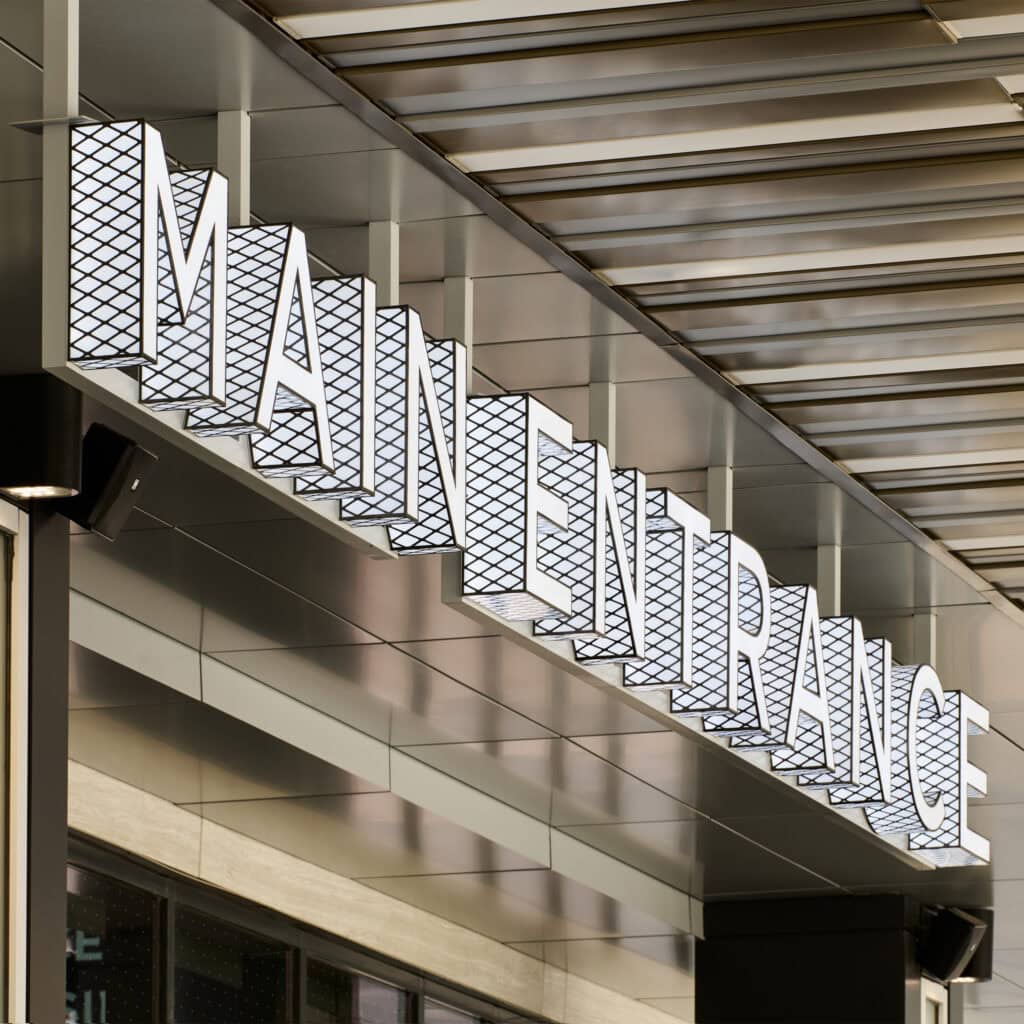
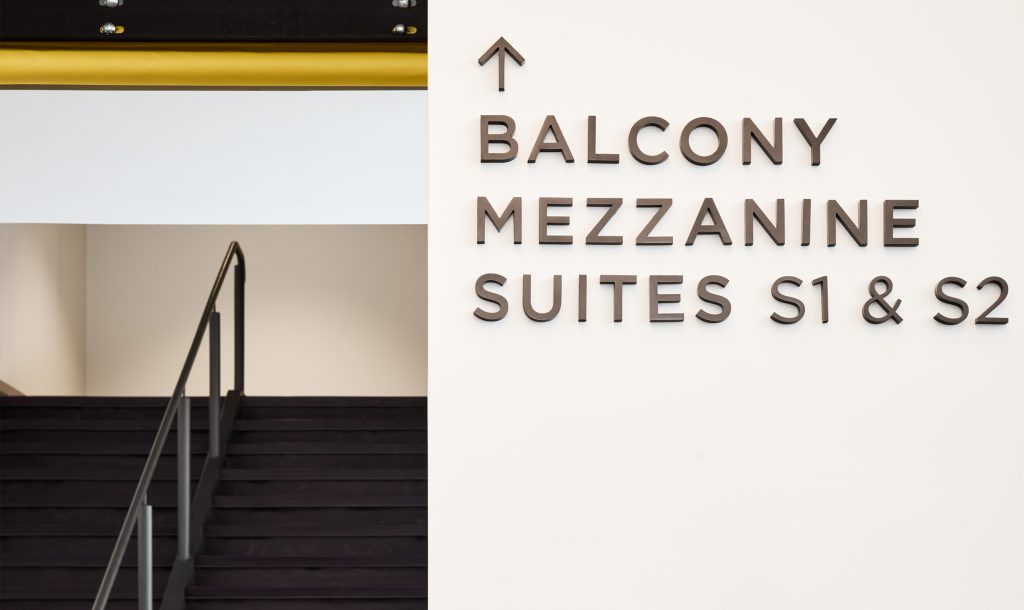
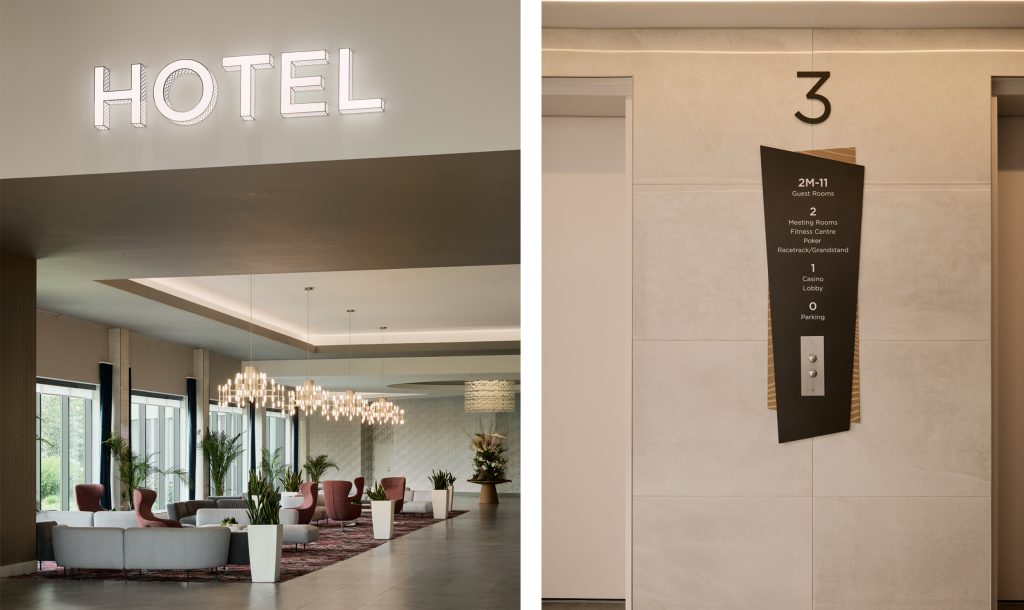
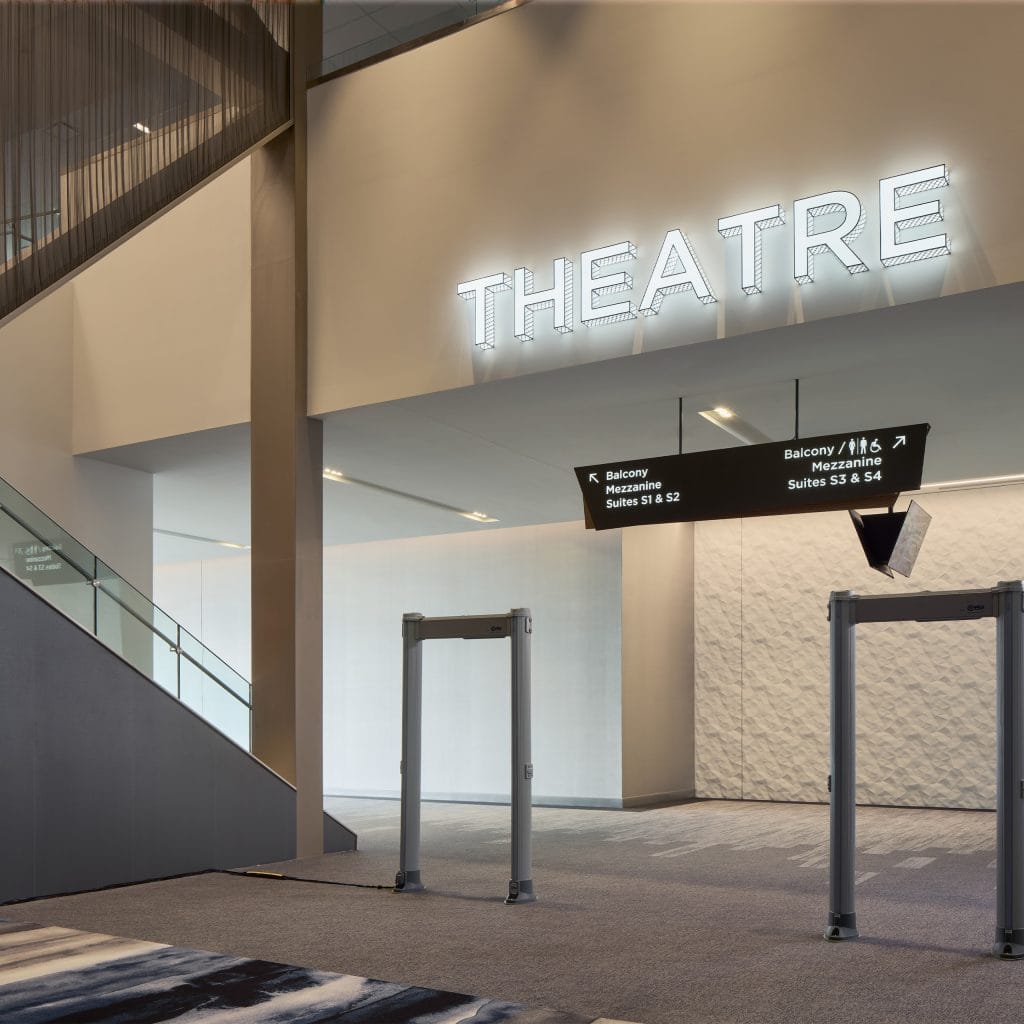
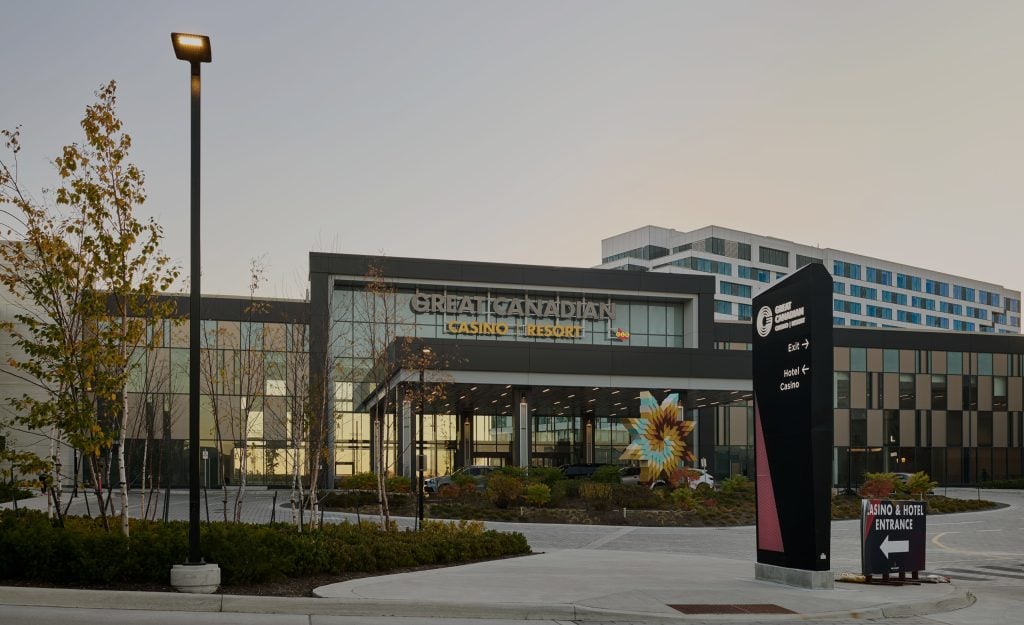
Great Canadian Casino Resort

Resort

Great Canadian Casino Resort

Comprehensive casino resort signage

Entro

Resort wayfinding is about relaxation—making it easy for guests to find pools, dining, and activities so they can unwind and enjoy.

Need wayfinding for resorts? Let's talk.

Signage Solutions

Types of Resort Wayfinding Signage

Resort signage serves navigation, brand expression, and guest experience throughout an entire property at all scales by bridging the indoor and outdoor areas.

01

Arrival & entrance signage

The arrival sequence sets the tone for the stay. Entrance gates, welcome signage, and property maps should frame the transition from the outside world into the resort: at carriage speed, legible from the passenger seat, and compositional with landscape and architecture. Good arrival signage calms expectation and invites exploration.

Entrance Gates
Welcome Signage
Property Maps
02

Grounds & pathway signage

Pathway signage helps guests to move freely across gardens, beaches, and terraces. These markers must resist weather and salt, be visible in different light, and sit quietly within planting and hardscape. The intent is simple guidance: information delivered at the right moment to support unhurried circulation.

Pathway Markers
Garden Signage
Activity Directionals
Groundway Signage
03

Dining & amenity signage

Hospitality signage should help guests to locate restaurants, bars, spas, and activity centers without diminishing the location's appeal. When identity and direction align, venues become hospitable rather than institutional.

Restaurant Identification
Spa & Wellness
Pool & Recreation
Amenity Signage
04

Accommodation & villa signage

Signs for rooms, villas, and suites must work from garden approaches, driveways, and interior corridors. They are read at different speeds and in various lights. Consistent hierarchy, considered placement, and material choices ensure that returning to a room is reliable from every direction and at any hour.

Building Identification
Room Numbers
Villa Markers
Accommodation Signage
05

Event & activity signage

Weddings, conferences, and seasonal programming need a wayfinding system that is flexible, modular, stylish, and easy to change. Permanent infrastructure sets the logic of place, while temporary layers help guests find their way to certain places. People who are coming for just one event need to be able to read the system.

Event Directories
Activity Boards
Temporary Signage
Event Signage
06

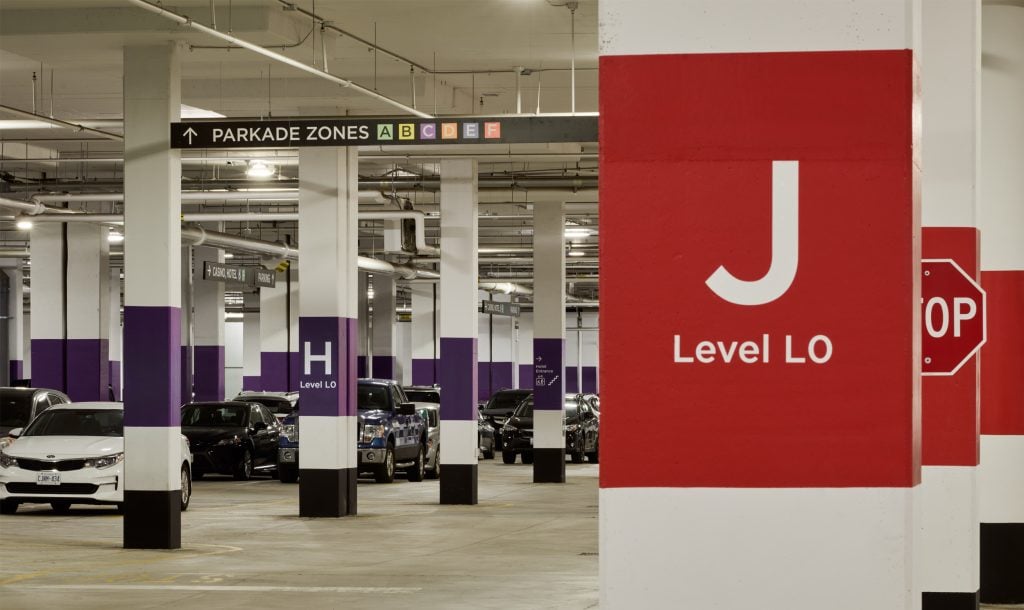
Parking & transport signage

Signage that makes it easier to get from the car to the lobby is an early sign of hospitality. Clear signs for parking areas, shuttle stops, and drop-off points make things go more smoothly and keep things calm when people arrive. The same logic applies to internal transport: golf carts, marina pick-up, and shuttle nodes should all be easy to use and the right size.

Parking Zones
Shuttle Stops
Drop-off & Pick-up
Parking Signage

FAQ

Wayfinding Resort Signage

Common questions about wayfinding design for resorts and destination properties.

We start with the property, including its architecture, lighting, landscape, and brand. To make signs feel like they belong, materials, scale, placement, and color are selected. The system has already failed if a sign appears to have been dropped in from somewhere else. Design needs to be both craft-forward and context-led.

Resort wayfinding covers larger, open areas and multiple structures. Signs must perform outdoors across weather, distance, and varying approach conditions that a hotel corridor does not face. The pace is slower; guests expect discovery. Our systems respond to scale, exposure, and the landscape’s rhythms.

Material choice matches climate and character. Tropical resorts require UV-stable finishes and materials resistant to rot; mountain locations prefer stone and weathering steel; coastal properties typically use marine-grade metals and treated hardwoods. Signs age gracefully and maintain their sense of place because durability and craftsmanship are combined.

Yes. To ensure that signs read in low light without glaring, we employ high contrast typography, reflective surfaces, and subtle backlighting. In order to ensure safety and legibility while maintaining the evening ambience, lighting design places a high priority on sightlines and atmosphere. After dark, visitors can move around with confidence, and the property's atmosphere is preserved.

Event guests often arrive unfamiliar and under time pressure. We combine elegant temporary signage with a clear permanent system so guests find ceremony sites, reception tents, and parking without confusion. The language is refined, the routing direct, and the temporary elements are designed to feel appropriate to the occasion.

We map accessible routes early, mark gradients and distances, and identify seating and shaded rest points. Signage clarifies step-free approaches and provides honest expectations for distance and effort. The aim is full participation—so every guest can access the property’s experiences and feel they belong.

Timelines vary by scope. A boutique property typically moves from discovery to construction documentation in three to five months. A large destination with multiple buildings, events, and extensive grounds commonly ranges from eight to twelve months. Phased delivery is frequent for operating resorts. Please confirm timelines with our project team.

Let's Work Together

Ready to Shape Your Resort Wayfinding?

We design wayfinding that fosters guest comfort, reinforces property identity, and reveals grounds that feel navigable, intimate, and full of discovery.

Free consultation
24hr response
No obligation