Integrated wayfinding can improve hospital navigation, patient experience, and operational efficiency.
Published in Healthcare Business Today, this article was written by Entro Research Director Dr. Vedran Dzebic.
It examines how Healthcare campuses are increasingly complex as buildings expand, departments relocate, and temporary routes become permanent. These conditions can cause late arrivals, missed appointments, increased stress, and frequent interruptions for staff. Research cited in the article found that 23% of patients ask for directions, 30% have been lost, and “confusing” is the most common description of the experience. A study of 301 U.S. hospital employees found that each spent about 30 minutes per week helping people navigate, equivalent to approximately 51,000 full-time roles nationwide.
Stress makes navigation more difficult by reducing attention, memory, and problem-solving ability. Visual clutter, inconsistent terminology, competing messages, and unclear information hierarchies can increase cognitive overload.
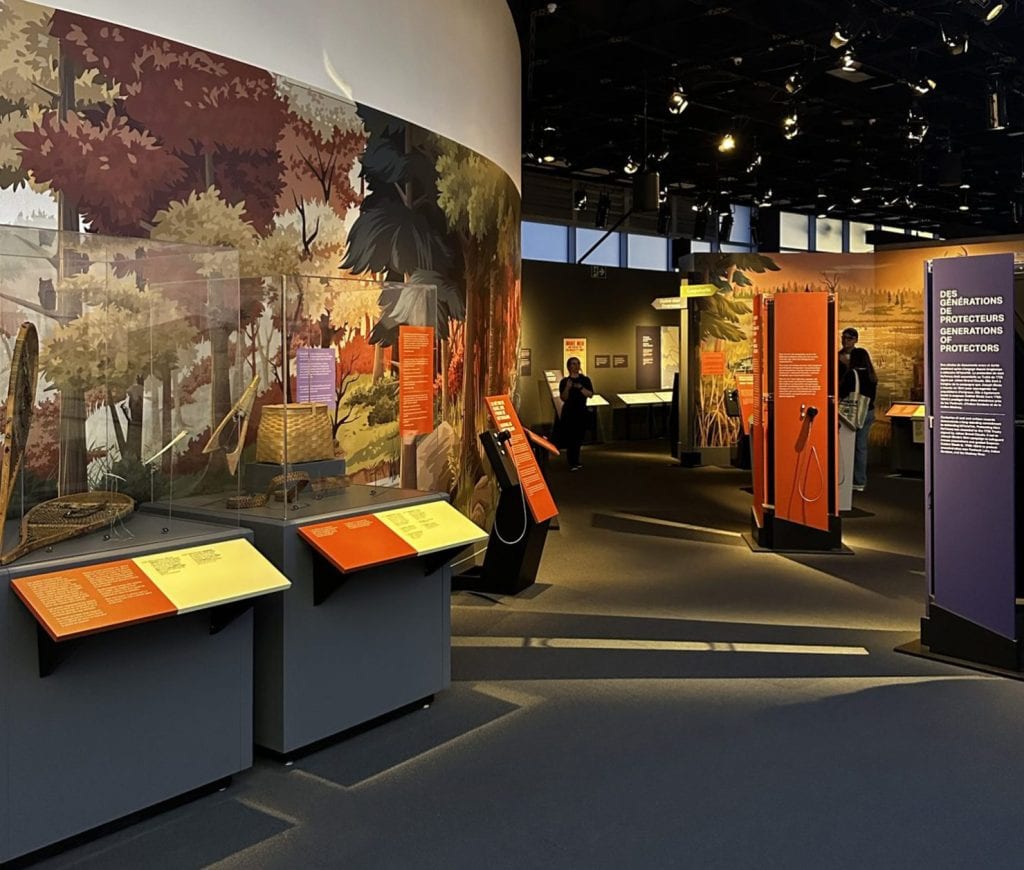
The article argues that wayfinding should be designed as an integrated system, combining spatial planning, architectural landmarks, signage, colour, lighting, digital kiosks, and mobile navigation. Physical and digital tools should use consistent language, visual cues, and routing logic.
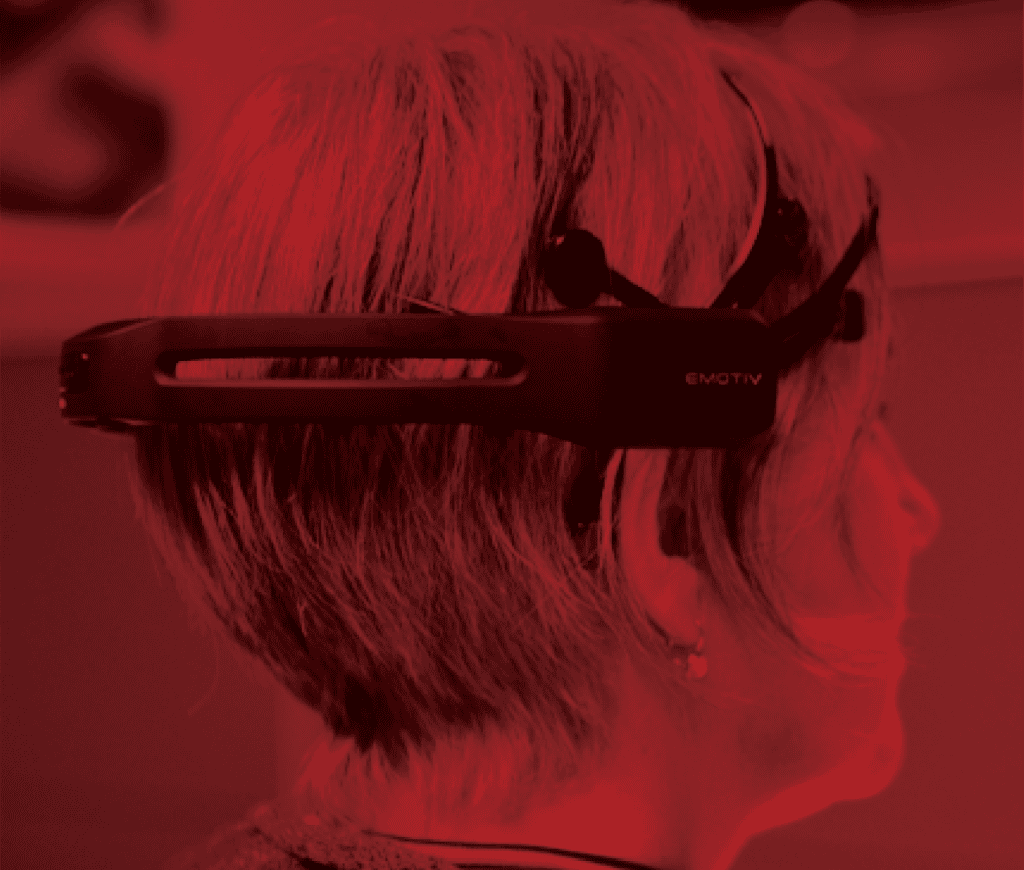
Data can also reveal where people hesitate, backtrack, or arrive late. Methods such as eye tracking, user-flow analysis, space syntax, and physiological monitoring can help evaluate design decisions. At Sunnybrook Health Sciences Centre, eye-tracking research found that one design option reduced visual searching by 19% and helped users identify a critical landmark 39% faster.
The article concludes that cohesive wayfinding can reduce anxiety, improve inclusion and efficiency, support staff, and show patients that their needs have been anticipated.
Vedran Dzebic, PhD, Research Director
Dr. Vedran Dzebic is Research Director at Entro, where he leads the integration of behavioural science, neuroscience, and emerging technologies into the design of places and experiences. His work bridges research and practice, helping organizations better understand how people perceive, navigate, and interact with the built environment. Vedran’s research advances evidence-based approaches to wayfinding, placemaking, accessibility, and human-centred design.